


Mastering Precision: The Ultimate Guide to Pistachio Sorting Machines in Turkey
Introduction: The Heart of Turkey’s Pistachio Industry
Pistachios hold a special place in the agricultural and export economy of Turkey. Among the leading pistachio‑producing regions, Gaziantep, Şanlıurfa, and Adıyaman represent the epicenters of cultivation and processing. With demand rising both locally and globally, producers and processors are turning to technological solutions to meet market needs efficiently. Pistachio sorting machines have become indispensable in improving quality and productivity. Based on that, this article explores the technology, advantages, and future of pistachio sorting machines in Turkey — with a special focus on Profest Company for Machinery Manufacturing.
While traditional methods of sorting were once based on human inspection, modern pistachio sorting machines are transforming the landscape of nut processing. Profest Company for Machinery Manufacturing has emerged as a reputable leader in engineering reliable solutions for the agricultural sector, specifically tailored for pistachio producers looking for efficiency, accuracy, and scalability.
In this comprehensive guide, we will walk through the importance of sorting technology, how machines work, critical features to consider, and why producers across Turkey are integrating these solutions into their processing lines. Also, we will support producers who are considering investing in advanced pistachio sorting systems by clarifying common questions and challenges.
Section 1: Why Pistachio Sorting Matters
The Foundation of Quality Control
The quality of shelled and in‑shell pistachios is judged by several factors: size, color, defects, foreign materials, broken pieces, and other irregularities. For any pistachio company, maintaining high product quality is essential. Thus, sorting becomes one of the most critical steps in post‑harvest processing.
For example, pistachio batches containing foreign materials — such as stones, debris, and unripe nuts — can harm brand reputation and even damage packaging equipment further down the line. The presence of low‑grade or defective kernels lowers customer satisfaction in both domestic and international markets.
On the other hand, manual sorting is time‑consuming and costly. Labor shortages and inconsistent quality checks make it difficult for farms and processors to keep up with peak season demands. Moreover, manual inspection is prone to human error, especially when productivity expectations increase.
Wherever pistachio sorting machines are deployed within the production workflow, producers find that automated sorting leads to:
- Faster throughput
• Fewer contaminants
• Higher uniformity
• Reduced labor costs
• Improved export value
Likewise, investing in sophisticated sorting technology directly improves product consistency — and this is where companies like Profest Company for Machinery Manufacturing deliver tangible value.
Section 2: Anatomy of a Pistachio Sorting Machine
Core Components and Functions
Modern pistachio sorting machines are complex systems that integrate mechanical sorting with optical and electronic sensors. Unlike basic screens or sieves, these machines can detect size, color, shell defects, and foreign matter with high precision.
Key components typically include:
- Feeding System:
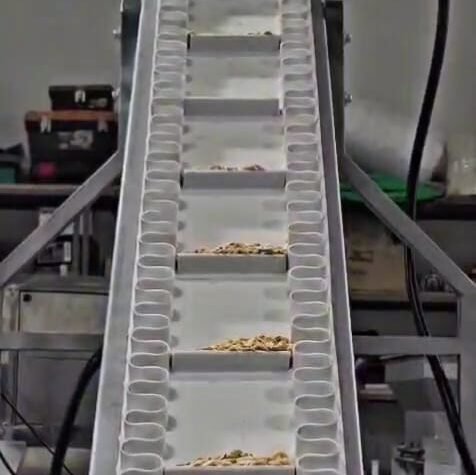
This is where pistachios enter the machine. The feeding system ensures continuous and uniform flow of nuts into the sorting area. - Vibratory Conveyor:
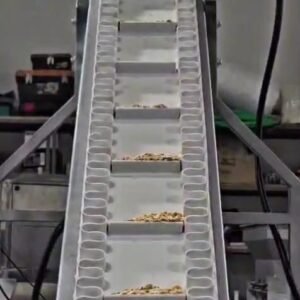
Vibrations help spread pistachios evenly so sensors can scan them without overlapping. Thus, each nut is individually scanned. - Optical Cameras and Sensors:
High‑resolution cameras capture images and analyze nuts in real time. These units detect color inconsistencies and eliminate foreign materials. - Laser and Infrared Sensors:
Used mainly for shell and size differentiation, especially important for separating small, medium, and large pistachios. - Air Nozzles:
Air jets eject defective pieces or debris once the machine identifies them. - Control Panel:
Operators can adjust sensitivity, sorting thresholds, and production speeds.
Based on that combination of technology, producers can achieve levels of precision that manual labor alone cannot match.
Section 3: How Pistachio Sorting Machines Work
Step‑by‑Step Workflow
Understanding the pistachio sorting process helps producers evaluate what type of system best suits their operations.
- Pre‑Cleaning:
Before sorting, pistachios pass through pre‑cleaners to remove dust and large debris. - Feeding & Dispersion:
The nuts enter the sorting machine where they are dispersed in a single layer. - Optical Analysis:
Cameras and sensors analyze each pistachio based on color, shape, size, and external defects. - Rejection Mechanism:
Once a defect is detected, air jets, mechanical arms, or diverters remove the unwanted piece. - Classification:
The machine sorts pistachios into different quality grades — premium, standard, and industrial quality. - Output Collection:
Sorted nuts are collected into designated bins for further processing or packaging.
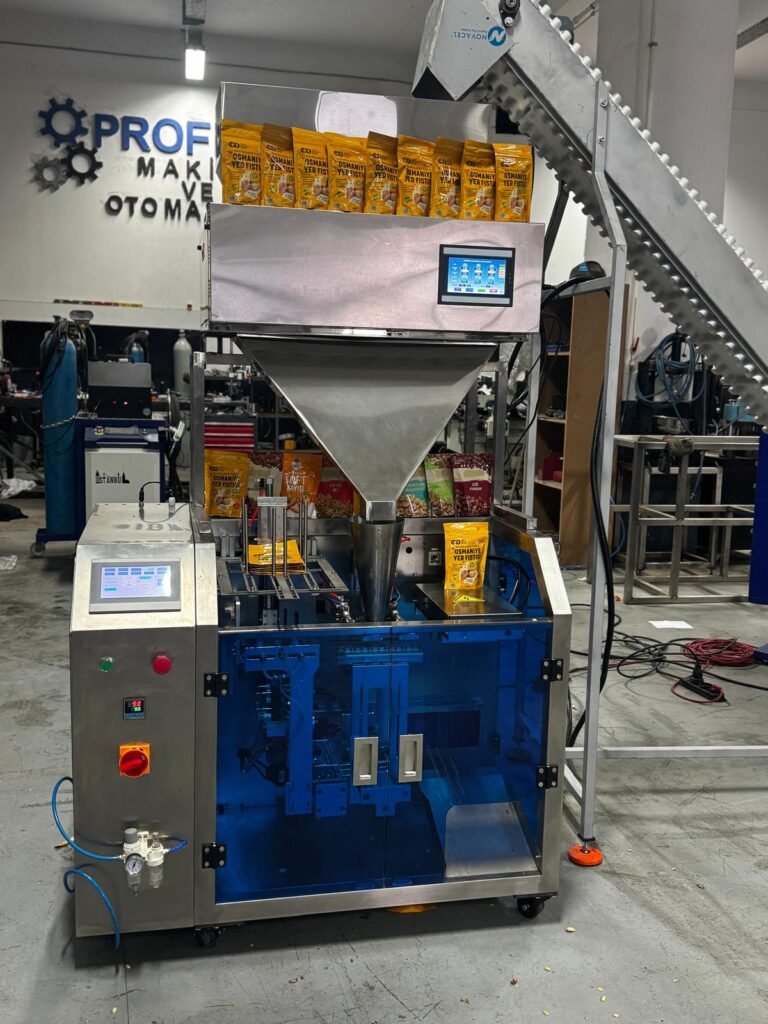
Also, some machines can interface with packaging lines, allowing producers to streamline end‑to‑end processing.
Section 4: Key Benefits of Using Sorting Machines
Boosting Productivity and Profitability
When pistachio processors adopt sorting machines, the benefits are immediate and measurable. Below are the most notable advantages:
Increased Throughput
Machines can sort tens of tons per hour. Human labor, in contrast, handles only a fraction of this volume while sacrificing speed or accuracy.
Consistent Quality Standards
Automated systems maintain the same tolerance levels throughout the day — without fatigue or distraction.
Reduced Waste
Precise sorting reduces product loss, ensuring that fewer marketable pistachios are accidentally rejected.
Labor Optimization
With machines handling the repetitive and strenuous part of sorting, skilled workers can focus on quality oversight and other operational tasks.
Higher Export Value
Export markets demand strict sorting criteria. Meeting these standards helps Turkish pistachio producers compete internationally while securing better prices.
Section 5: Profest Company for Machinery Manufacturing — Technology You Can Trust
Tailored Solutions for Turkey’s Pistachio Industry
One of the standout companies in this sector is Profest Company for Machinery Manufacturing. With extensive experience designing and manufacturing pistachio processing equipment, Profest specializes in machines engineered for the unique needs of Turkish producers.
Profest’s sorting systems are designed to:
- Handle high seasonal volume
• Deliver customizable sorting parameters
• Improve removal of foreign objects
• Maximize throughput with minimal downtime
While quality is essential, Profest also emphasizes durability and ease of maintenance. Producers benefit from machines that integrate seamlessly into existing workflows and can be operated with minimal training.
Moreover, the company’s commitment to customer support ensures that users are not left without assistance when challenges arise. Servicing, troubleshooting, and tuning are part of Profest’s holistic approach to customer satisfaction.
If you are seeking reliable machinery that aligns with modern quality standards, visit the company website at https://profest.com.tr/ar for detailed specs and consultation options.
Section 6: Choosing the Right Sorting Machine
Factors to Consider Before Purchase
When selecting a pistachio sorting machine, it’s important to align your choice with operational needs and future growth. Here are key considerations:
- Capacity Requirements
Estimate the maximum volume you plan to sort during peak season.
- Sorting Parameters
Different machines offer various sorting functionalities — color, size, shell condition, and foreign matter detection.
- Integration with Existing Equipment
Will the machine work well with your current conveyors, dryers, or packaging lines?
- Budget & ROI
Machines vary in price based on technology. Evaluate projected return on investment before purchasing.
- After‑Sales Support
Reliable technical support prevents costly downtime and ensures long‑term performance.
Wherever possible, connect with manufacturer support teams to understand warranty terms, part availability, and service agreements. Likewise, ask for references from other pistachio producers to see real‑world performance feedback.
Section 7: The Technology Behind Sorting Excellence
Optical, Laser, and AI Integration
As technology evolves, so do the capabilities of pistachio sorting machines. The latest systems use combinations of optical imaging, laser scanning, and machine learning algorithms.
For example, artificial intelligence (AI) enables the system to learn what constitutes an acceptable nut over time, improving detection accuracy. Laser sensors can detect subtle shell imperfections invisible to basic cameras.
Moreover, data logging features allow producers to track sorting results over time, identifying trends and making data‑driven decisions.
Section 8: Environmental and Economic Impact
Sustainability Through Efficiency
By reducing waste, sorting machines contribute to more sustainable operations. Less reject material means less disposal cost and reduced environmental burden.
Also, efficient machines consume less energy per ton of pistachios processed, lowering operational costs and carbon footprint.
For producers exporting globally, meeting international sustainability standards can open new markets — particularly in regions where environmental certification is valued.
In the end, investing in advanced sorting systems not only boosts economic performance but also supports long‑term environmental stewardship.
Section 9: Common Challenges and How to Overcome Them
Practical Tips from Industry Experts
Despite the advantages of sorting machines, users can face challenges such as:
- Initial technical complexity
• Calibration and sensitivity adjustments
• Integration issues with older processing lines
Based on that experience, experienced producers recommend:
- Starting with a small test batch to calibrate settings
• Scheduling routine maintenance
• Partnering with manufacturers for training sessions
On the other hand, choosing a machine with strong technical support — like those offered by Profest Company for Machinery Manufacturing — reduces the risk of operational delays and technical setbacks.
Section 10: Looking Ahead — The Future of Pistachio Sorting
Trends Shaping the Next Decade
The pistachio processing industry continues to evolve rapidly. Here are key trends to watch:
✔ Increased automation and robotics in sorting
✔ Enhanced AI‑based classification
✔ Real‑time process optimization dashboards
✔ Remote monitoring and diagnostics
✔ Greater focus on energy efficiency
Producers who embrace these developments will gain competitive advantages in both quality and cost control. Likewise, staying informed about technological progress ensures that operational decisions align with market expectations.
Frequently Asked Questions (FAQs)
Q1: What exactly does a pistachio sorting machine do?
A pistachio sorting machine automatically classifies pistachios based on size, color, shell condition, and foreign materials. It uses optical sensors and other technologies to ensure high‑quality output.
Q2: How much does a pistachio sorting machine cost?
Prices vary depending on capacity and features. Factors such as automation level, sensor quality, and brand influence the final cost. Producers should evaluate throughput needs and long‑term ROI when deciding.
Q3: Can sorting machines handle other nuts besides pistachios?
Yes, many sorting machines are adaptable and can be calibrated for almonds, peanuts, hazelnuts, and other types of nuts. Always verify compatibility with the manufacturer.
Q4: Are these machines easy to operate?
Modern pistachio sorting machines are designed for user‑friendly operation with digital control panels. However, initial training and familiarization are recommended for best performance.
Q5: How do I choose the right machine for my business?
Consider your production capacity, quality standards, budget, and service requirements. Engaging directly with manufacturers like Profest Company for Machinery Manufacturing can help tailor solutions to your needs.
Q6: What maintenance do pistachio sorting machines require?
Routine maintenance includes sensor cleaning, belt checks, software updates, and periodic calibration. Regular servicing extends machine life and ensures consistent performance.