

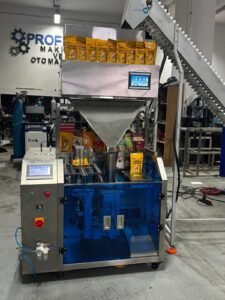

Packaging Lines in Turkey: Driving Innovation & Efficiency Across Industries
In today’s globalized marketplace, packaging lines play a pivotal role in the manufacturing and distribution of goods. These systems are crucial for product safety, aesthetic appeal, logistical efficiency, and regulatory compliance. In Turkey, a country that bridges both European and Asian markets, packaging line technology has become increasingly sophisticated, competitive, and customized to diverse industry needs. Profest Company for Machinery Manufacturing stands at the forefront of this evolution, delivering solutions that help Turkish manufacturers stay ahead in a rapidly changing world.
This comprehensive article explores packaging lines in Turkey, the challenges they solve, industry trends, technological advancements, and how companies like Profest contribute to the transformation of manufacturing operations.
Understanding Packaging Lines: What They Are and Why They Matter
Packaging lines are integrated systems used in factories to process, fill, seal, label, inspect, and palletize products ready for the market. These lines can be fully automated, semi-automated, or even manual depending on the scale of production and product type.
Packaging lines are not simply about putting products into containers; they ensure products reach consumers in perfect condition, comply with international packaging regulations, and maintain production efficiency.
Packaging is deeply linked with:
- Product protection from physical and environmental damage
- Brand identity through consistent and high‑quality packaging graphics
- Consumer communication via labels and barcodes
- Supply chain efficiency through standardized packaging formats
While basic packaging might work for low volume or local distribution, advanced packaging lines are essential for companies that want global reach, reduced operational costs, and high scalability.
A Growing Packaging Industry in Turkey
Turkey’s industrial sector has experienced strong growth in recent decades, fueled by a robust manufacturing base in food, beverage, pharmaceutical, automotive, and consumer products. Packaging lines in Turkey support this growth by providing specialized machinery capable of meeting both local and international standards.
The country’s strategic location linking Europe, the Middle East, and North Africa makes it a logistics hub. Thus, seamless, efficient packaging lines are vital for exports. Moreover, Turkish companies increasingly adopt industry 4.0 practices, embedding sensors and data analytics into packaging machinery to optimize performance and reduce waste.
For example, smart sensors can detect misaligned labels in real‑time to minimize production waste. Likewise, automatic weight systems can ensure each product meets quality and legal standards before shipment.
Components of Modern Packaging Lines
A packaging line might look simple on the surface, but it consists of many interlinked machines working in precision unity. Some of the core components include:
- Product Feeding Systems
These units ensure consistent supply of product into the line. Whether dealing with liquids, solids, or powders, feeding systems must be precise and hygienic.
- Filling & Dosing Machines
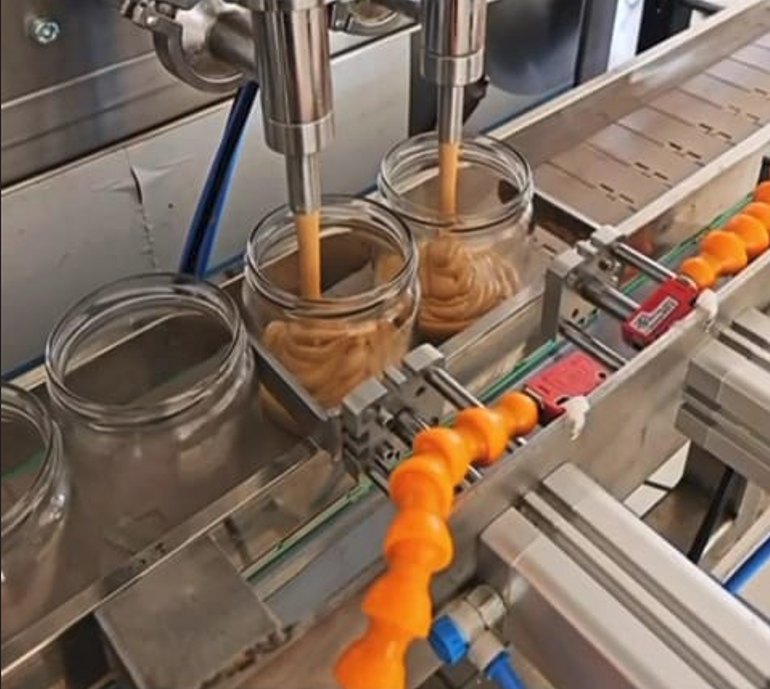
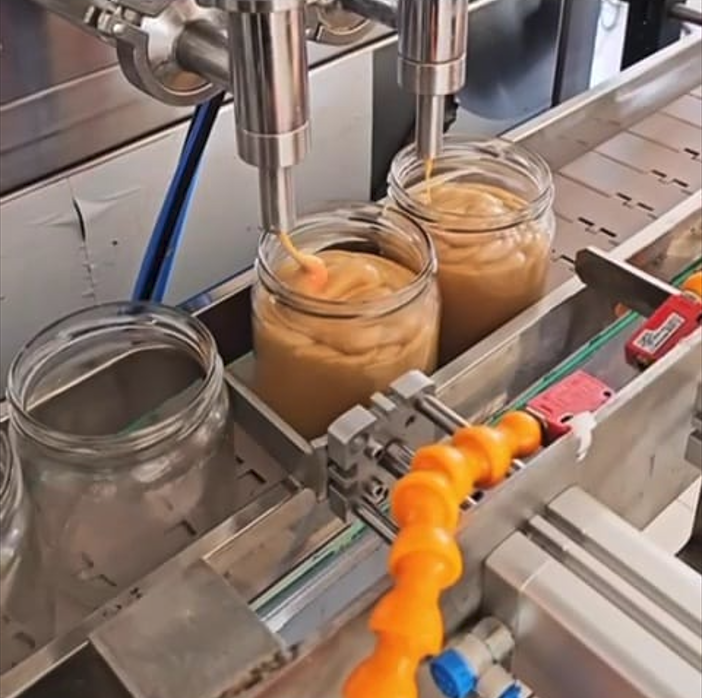
Depending on the industry, filling systems can handle anything from dairy products and pharmaceuticals to industrial lubricants. Filling lines vary in speed, accuracy, and container type compatibility.
- Capping & Sealing Stations
After products are filled, they must be securely sealed. Here, capping machines provide torque‑controlled closures, ensuring package integrity.
- Labeling & Coding Units
Labels communicate essential product information like ingredients, expiration dates, barcodes, and branding. Coding machines imprint batch numbers and traceability data.
- Inspection & Quality Control
Vision systems and metal detectors examine products for defects, foreign objects, or labeling errors before they continue to the next stage.
- Cartoning & Secondary Packaging
Products must often be packed into larger units such as cartons, trays, or shrink wrap. These systems enhance transport efficiency.
- Palletizing & Robotics
Once boxed, products are stacked onto pallets for storage or shipment. Modern palletizing systems — often robotic — bring speed and accuracy to this task.
How Profest Company for Machinery Manufacturing Leads Packaging Innovation
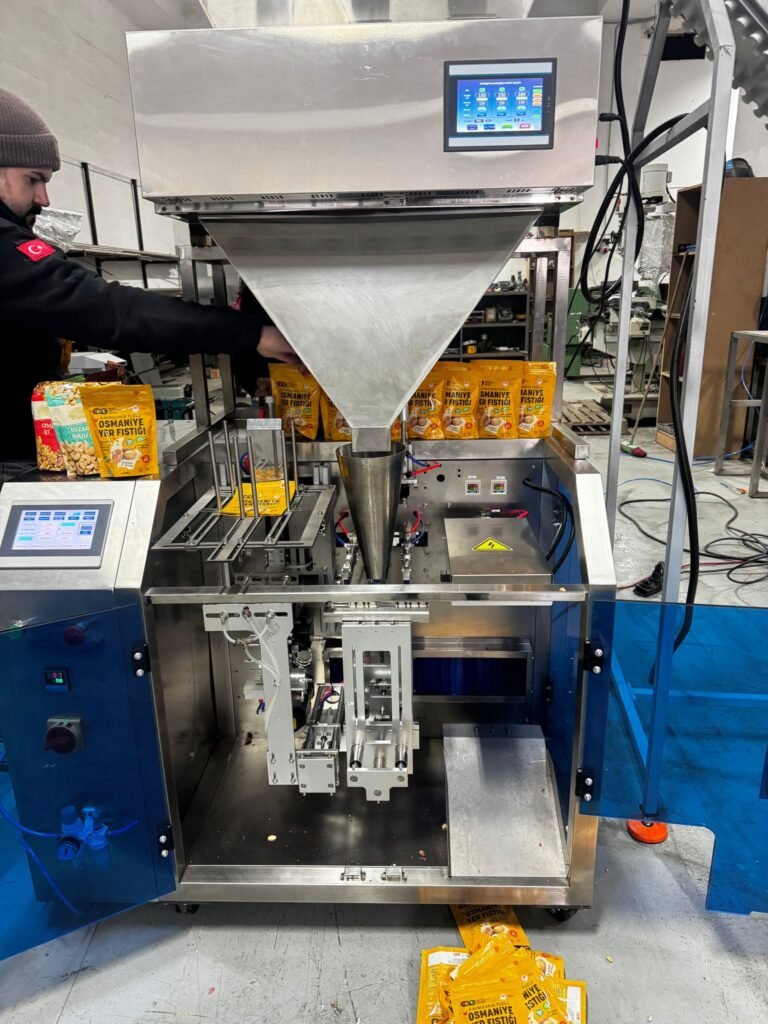
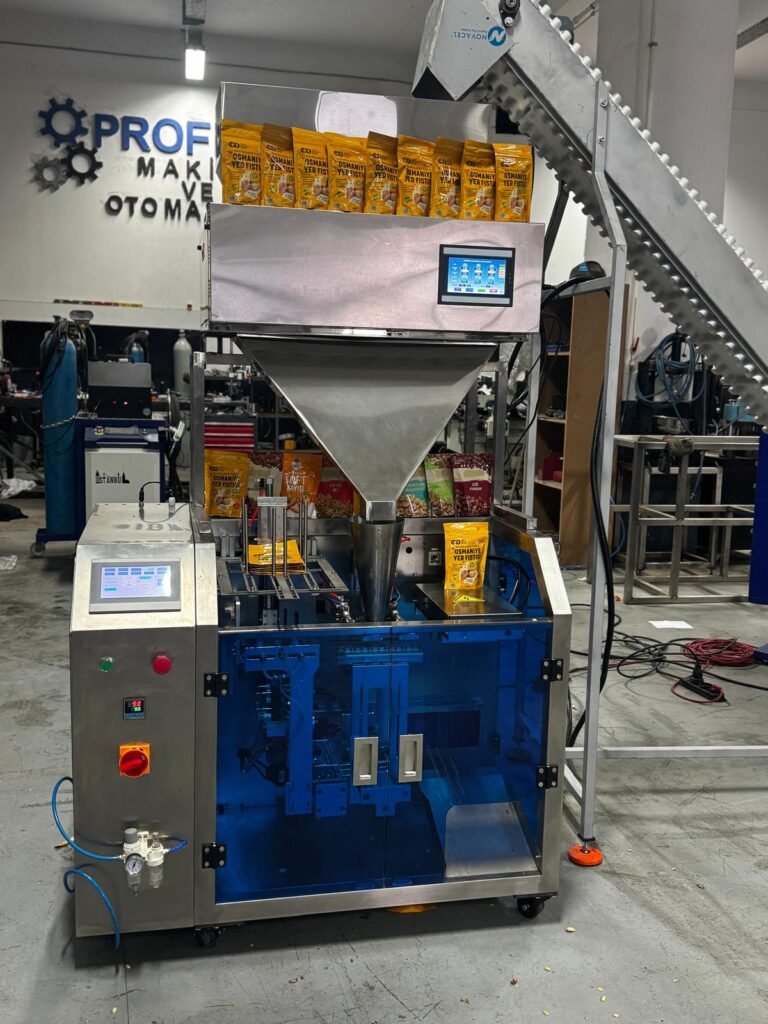
Profest Company for Machinery Manufacturing is a key player in Turkey’s packaging machinery landscape. With experience across multiple sectors, Profest designs, builds, and implements packaging lines tailored to client needs.
Customization & Flexibility
Every industry has unique requirements. In the pharmaceutical sector, strict hygiene and validation standards are critical. In food and beverage, speed and easy sanitation are priorities. Profest understands these distinctions and creates flexible solutions that adapt to product changes — whether shifting bottle sizes, switching label formats, or increasing production speed.
Moreover, Profest’s designs incorporate modular components that can be upgraded as business needs evolve. This enables manufacturers to start with a basic line and add automation or features over time without needing a complete overhaul.
Automation & Efficiency
Automation drives modern packaging lines. Profest integrates PLC (Programmable Logic Controller) systems, servo motors, and data‑capture software that:
- Reduce downtime
- Lower human error
- Increase production output
- Provide real‑time performance monitoring
Such systems are especially vital for factories operating 24/7 cycles with large volume demands.
Quality, Safety & Compliance
Packaging lines must meet national and international standards — from CE certification to GMP (Good Manufacturing Practice) guidelines. Profest adheres to rigorous manufacturing protocols to ensure all machines deliver safe, reliable, and compliant performance.
Safety features are embedded in electrical systems, emergency stops, guarding protections, and intuitive human‑machine interfaces (HMI). Thus, operators can manage lines with confidence.
Training & After Sales Support
Installing a new packaging line is only part of the process. Profest provides comprehensive training for operators and technicians. Based on that training, companies experience faster ramp‑ups and fewer operational mistakes.
Equally important, the company offers responsive after‑sales support, spare parts delivery, and maintenance services — critical factors that ensure long‑term uptime and customer satisfaction.
Industry Range
Profest’s solutions span industries such as:
- Food & Beverage
- Pharmaceuticals
- Cosmetics
- Chemicals
- Household Products
- Agriculture
Wherever high‑performance packaging is needed, Profest has tailored solutions backed by engineering expertise.
Trends Shaping Packaging Lines in Turkey
The packaging industry worldwide is evolving, and Turkish manufacturers are embracing innovation. Some key trends include:
Digitalization and Smart Packaging
Digital transformation is reshaping packaging lines. With IoT (Internet of Things) sensors and cloud‑connected systems, packaging machinery now delivers real‑time data for performance monitoring, predictive maintenance, and energy optimization.
Smart packaging extends to traceability solutions where QR codes, RFID tags, and serialization help companies track products from line to consumer.
Sustainable & Eco‑Friendly Packaging
Environmental concerns are prompting companies to reduce waste, use recyclable materials, and minimize packaging weight without compromising quality. Turkey’s packaging lines are adapting to handle new materials and meet sustainability goals.
Flexible Packaging Formats
Consumers demand variety — different sizes, shapes, and customization. Packaging lines must therefore be flexible, fast to changeover, and able to handle multiple SKUs without significant downtime.
Integration with Robotics
Robotic systems are becoming more common in palletizing, quality inspection, pick‑and‑place tasks, and even labeling. On the other hand, traditional conveyor systems remain essential for stable, continuous movement of products.
Regulatory Compliance
Industries like pharmaceuticals and food require strict adherence to packaging regulations. Packaging lines must integrate systems for traceability, hygiene, validation, and documentation.
Case Studies: Packaging Lines in Action
- Food & Beverage Factory
A mid‑size beverage company needed to increase its output from 2,000 to 10,000 bottles per hour. The challenge included filling liquids with varying viscosities, applying tamper‑evident seals, and labeling for multiple markets.
Profest engineered a customized line that:
- Automated bottle conveying and orientation
- Integrated high‑precision filling nozzles
- Installed adaptive labelers for multilingual packaging
This resulted in increased production while maintaining quality standards.
- Pharmaceutical Production Line
A pharmaceutical manufacturer required a packaging solution that ensured accuracy, full traceability, and contamination prevention. The line also had to integrate with existing data systems for compliance reporting.
The solution implemented:
- Accurate blister packing machines
- Inspection cameras for dosage verification
- Secure serialization and data logging software
The result was enhanced regulatory compliance and higher production efficiency.
- Cosmetic Products Facility
The cosmetics industry demands high aesthetics, precise dosing, and decorative packaging. For example, a client producing serums and lotions wanted an automated line that could handle varied bottle shapes and label styles.
Profest delivered a turnkey line with:
- Gentle product conveyance systems
- Inline inspection for visual quality
- Customizable labeling and decoration units
This allowed the client to expand product offerings without sacrificing quality.
Choosing the Right Packaging Line for Your Business
Selecting the ideal packaging line involves several considerations:
Production Volume
For low volume but high customization, semi‑automated lines may suffice. For high output, fully automated systems provide the speed and consistency needed.
Product Characteristics
Viscosity, fragile containers, powder flow behavior, and product temperature are factors that heavily influence machine choice.
Future Expansion
Companies often plan for growth. Choosing modular systems that can expand as demand rises helps protect long‑term investments.
Budget & ROI
While high‑end automated lines require upfront investment, their efficiency gains, labor savings, and waste reduction improve ROI over time.
A trusted partner such as Profest can guide companies through this decision process, ensuring an optimized solution tailored to specific business goals.
Installation, Training & Maintenance: Ensuring Long‑Term Success
Installing a packaging line is a complex task requiring careful coordination of mechanical, electrical, and software components.
Profest’s installation services ensure:
- Precise equipment alignment
- Safe electrical integration
- Calibration and performance testing
Training programs for operators and technicians focus on:
- Safe operation procedures
- Troubleshooting basics
- Preventive maintenance
Regular maintenance is essential to prevent unplanned downtimes. Condition monitoring and scheduled servicing ensure that packaging lines perform at peak levels throughout their lifespan.
The Future of Packaging Lines in Turkey
Turkey’s packaging industry is positioned for long‑term growth. With strategic investments in digital infrastructure, automation, and sustainability, the future looks promising.
Some future directions include:
- AI‑driven quality control systems
- Full traceability from manufacturing to consumer
- Advanced robotics for complex handling
- Energy‑efficient machinery
- Biodegradable and smart materials handling
Profest Company for Machinery Manufacturing continues to invest in research and development to help clients navigate these future trends, offering cutting‑edge solutions that drive productivity, quality, and competitiveness.
Frequently Asked Questions (FAQs)
- What exactly is a packaging line and why is it important?
A packaging line is a collection of machinery that processes products for sale, including filling, sealing, labeling, and palletizing. It is important because it ensures product safety, compliance with regulations, aesthetic appeal, and efficient handling throughout the supply chain. - How much does a packaging line cost in Turkey?
Packaging line costs vary widely based on automation level, production capacity, industry requirements, and customization. Costs can range from modest investments for semi‑automated systems to significant investments for high‑speed, fully automated lines. - How can I choose the right packaging line for my business?
Consider your production volume, product type, desired speed, industry standards, and future growth. Consulting experts like Profest can help you determine the ideal configuration that matches your business goals. - Does Profest provide installation and support?
Yes. Profest provides turnkey solutions including installation, operator training, preventive maintenance, and ongoing technical support to ensure maximum performance and uptime. - Can packaging lines integrate with other business systems (like ERP)?
Yes, modern packaging lines can integrate with ERP (Enterprise Resource Planning) systems, data analytics, and traceability platforms to ensure seamless production management and reporting. - Are packaging lines adaptable for different products?
Many modern packaging lines are highly flexible and can handle different packaging formats, materials, and product types. Modular design and adjustable tooling help facilitate this adaptability.
In the end, investing in the right packaging line can transform your manufacturing operations, reduce waste, elevate product quality, and unlock new markets. For more information on tailored packaging line solutions, visit Profest’s official website at https://profest.com.tr/ar.