

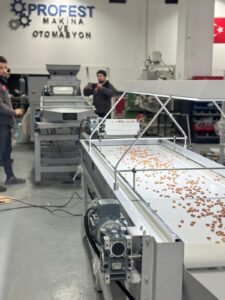

Nuts Production Line in Turkey: A Comprehensive Industrial Overview
Turkey has long been recognized as a major hub for the production, processing, and export of high‑quality nuts. In recent decades, innovations in agricultural technology and food automation have transformed the industry from largely manual operations to highly efficient mechanized systems. One of the most prominent companies contributing to this evolution is Profest Company for Machinery Manufacturing, a firm that specializes in designing and building advanced nuts production lines and food processing solutions. This article explores how nuts processing works in Turkey, the key technological elements of modern production lines, and the broader economic and industry trends shaping the future of this vital sector.
The Importance of Nuts in Turkey’s Food Sector
Nuts have been an essential part of Turkish cuisine for centuries. From pistachios grown in Gaziantep to hazelnuts harvested along the Black Sea coast, Turkey occupies a leading position in the global market for edible nuts. While local demand remains strong, much of Turkey’s production is destined for international markets, including Europe, Asia, and North America.
Turkey’s nut industry is not just about farming; it is equally about processing. This is because nuts, unlike many agricultural products, require extensive cleaning, sorting, roasting, and packaging before they can be sold at retail. Moreover, as consumer expectations rise, quality standards have increased accordingly, leading to a surge in demand for efficient, reliable production technologies.
At the heart of this industrial transformation are companies like Profest Company for Machinery Manufacturing, which develop turnkey production solutions tailored to the modern food processing environment.
From Orchard to Factory: The Journey of Nuts
Harvesting and Initial Handling
Every nuts production line begins with harvesting. Nuts are typically picked either manually or using mechanical harvesters, and then transported to processing facilities. At this stage, the product still contains debris such as leaves, stems, and soil. Thus, the first step of any production line focuses on removal of these impurities.
Cleaning and Pre‑Sorting
Once delivered to the factory, nuts enter the cleaning phase. Here, they pass through a series of mechanical separators and air blowers that remove unwanted materials. Based on that preliminary cleaning, the nuts are then sorted for size and weight to prepare for more refined processing.
Drying and Moisture Control
Moisture content plays a crucial role in the preservation and quality of nuts. Thus, drying ovens and controlled air dryers are used to bring nuts to the optimal moisture level. This is especially important for export markets where prolonged storage is expected.
What Is a Modern Nuts Production Line?
Modern production lines are integrated systems that perform a sequence of tasks to transform raw nuts into market‑ready products. These systems combine automation technology with food‑safe engineering to deliver high efficiency, consistency, and hygiene.
Main Components of the Production Line
A typical nuts production line includes:
- Intake and storage systems
- Cleaning and sorting machines
- Dehulling and shelling equipment
- Roasters and dryers
- Flavoring and coating stations
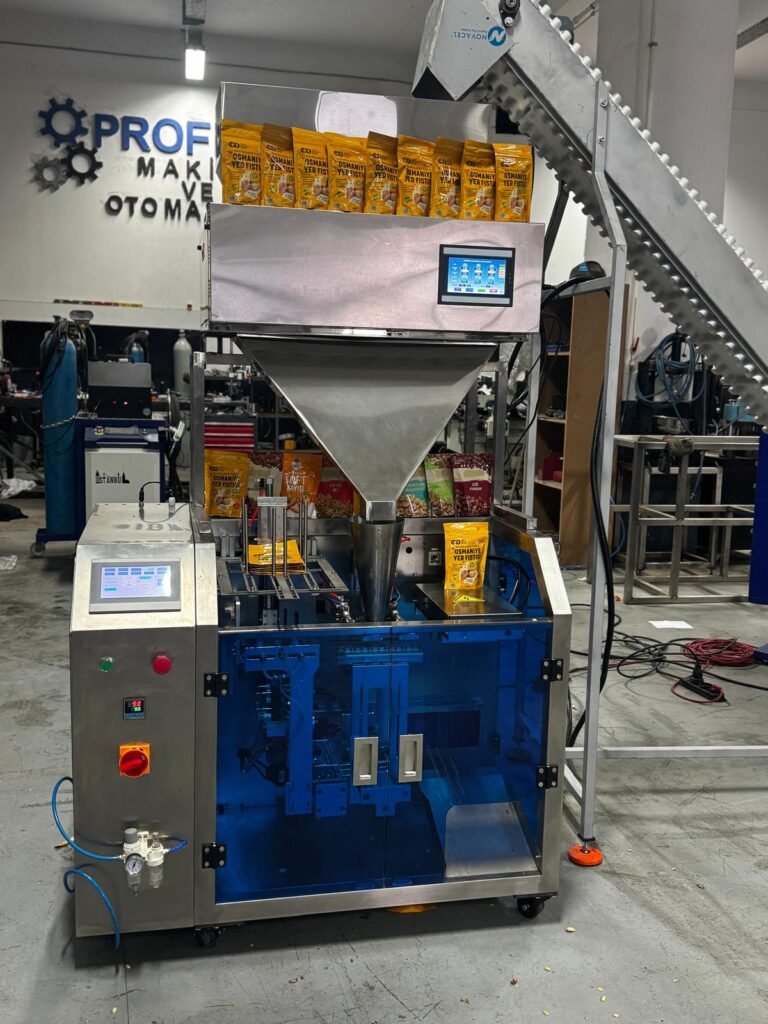
- Packing machines
Each component performs a specialized role but works in continuity with the others to maintain high output rates and minimize downtime.
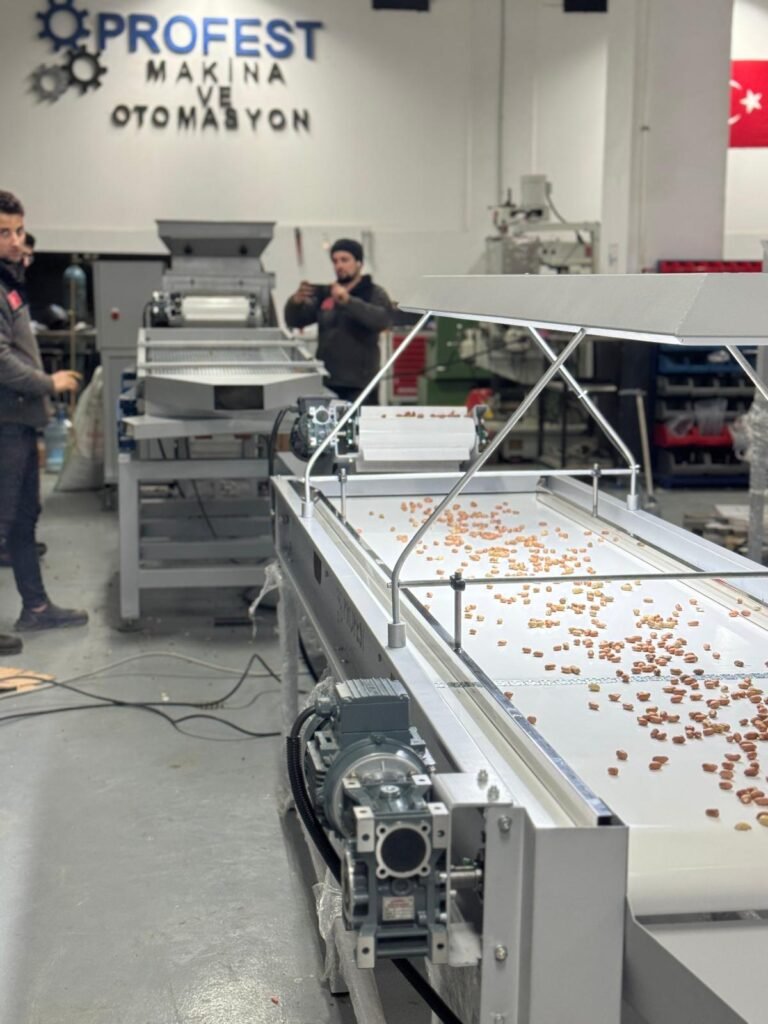
For example, automated sorting machines use infrared sensors and optical recognition to separate defective nuts from premium ones. On the other hand, conveyors and robotic handlers reduce the need for manual labor while boosting production speed.
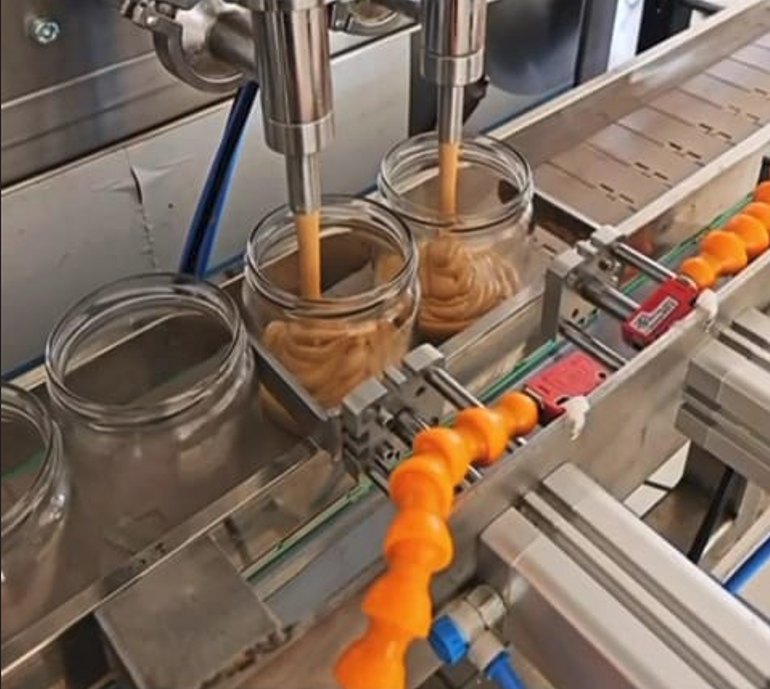
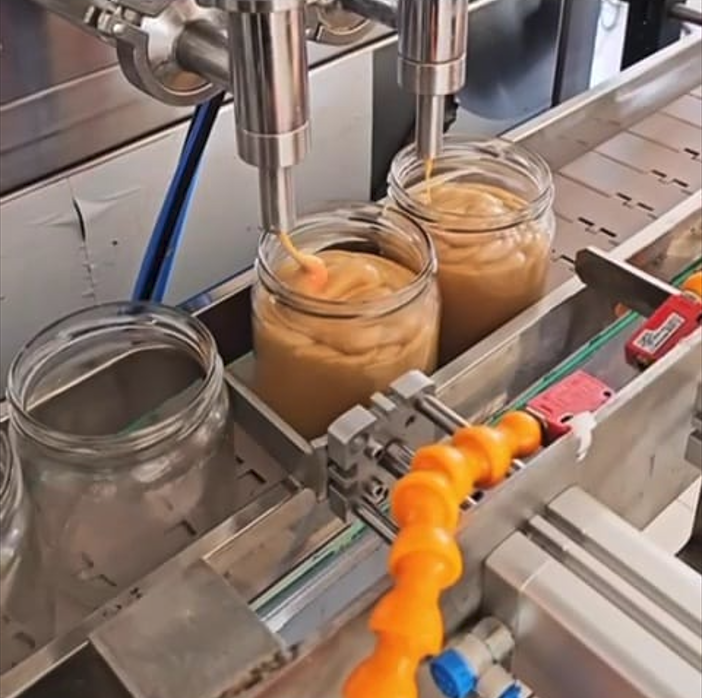
Likewise, advanced packaging equipment can fill, seal, and label bags or containers at incredible throughput levels, making the entire process suitable for large industrial operations.
Turkey’s Competitive Advantage in Nut Production
Turkey boasts several natural and economic advantages that position it at the forefront of the global nut industry:
Optimal Climate Conditions
Regions such as the Marmara, Aegean, and Black Sea areas possess climates ideal for nut cultivation, especially for hazelnuts and walnuts. The soil quality, seasonal temperature shifts, and rainfall patterns all contribute to superior nut yields.
Skilled Workforce and Industrial Expertise
Turkey has a long tradition of food manufacturing and processing. This means workers and engineers familiar with large‑scale food production technologies are readily available. To support this expertise, companies like Profest Company for Machinery Manufacturing design customizable solutions that meet the exact needs of Turkish producers.
Strategic Geographic Location
Located at the crossroads of Europe and Asia, Turkey serves as a logistical hub for exporting agricultural products. Ports on both the Mediterranean and Black Sea facilitate efficient distribution to major global markets.
Innovative Systems by Profest Company for Machinery Manufacturing
One of the flagship contributors to automation in Turkey’s nuts production sector is Profest Company for Machinery Manufacturing. The company’s mission is to design customized, high‑performance production lines that empower producers to achieve higher yields, better quality, and consistent product standards.
Tailored Production Lines
Profest specializes in creating turnkey systems for a variety of nuts, including hazelnuts, pistachios, almonds, and mixed nut products. Each line is designed with flexibility in mind, allowing producers to scale operations or diversify product offerings without replacing entire systems.
Quality Control and Safety Features
Modern consumers demand not only good taste but also food safety. Thus, Profest integrates advanced metal detectors, X‑ray inspection systems, and automated grading machines into its production lines. While these technologies enhance safety, they also reduce waste by identifying foreign materials before packaging.
Moreover, hygienic design standards ensure that equipment is easy to clean and maintain, reducing the risk of contamination and extending equipment life.
Efficiency and Energy Savings
Today’s production environments prioritize both productivity and sustainability. Profest’s machines are engineered to use energy‑efficient motors and smart control systems, thus lowering operational costs without sacrificing output.
For example, synchronized conveyor systems help maintain a steady flow of nuts between processing stages, minimizing bottlenecks and ensuring each batch is processed uniformly. On the other hand, advanced roasting ovens use precise temperature control, so every nut is uniformly roasted, preserving flavor and texture.
How Automation Is Transforming the Turkish Nuts Industry
In the past, nuts processing relied heavily on manual labor, which was time‑intensive, costly, and prone to inconsistencies. The introduction of automated production lines has redefined industry standards, enabling companies to:
- Increase throughput
- Improve product consistency
- Comply with international food safety standards
- Reduce labor costs
Moreover, automation opens doors for export expansion. International buyers often require certification and traceability systems that can only be maintained through digital monitoring and integrated control systems.
Today’s advanced production lines can collect data at every stage—from sorting and roasting to packaging—allowing producers to monitor performance in real time and make data‑driven adjustments.
Economic Impact of Nuts Production in Turkey
The economic significance of nut production in Turkey cannot be overstated. According to industry reports, nut exports account for billions of dollars in revenue annually, with hazelnuts alone representing a major portion of agricultural exports. While domestic consumption remains strong, foreign demand continues to grow.
Turkey’s investment in efficient processing systems has also fueled the growth of auxiliary industries, including packaging, logistics, sensory inspection technologies, and industrial robotics.
Meanwhile, small and medium‑sized enterprises (SMEs) are increasingly adopting modular production solutions, which allow them to compete more effectively both locally and internationally.
Thus, the nuts industry contributes not just to agricultural GDP but also to the wider industrial and technological landscape.
Sustainability and Environmental Considerations
Sustainability has become a key global priority, and Turkey’s production sector is not exempt from this trend. Modern production lines emphasize energy conservation, waste reduction, and environmentally friendly materials.
For example, Profest Company for Machinery Manufacturing integrates systems that optimize airflow and heat distribution, reducing unnecessary energy expenditure. Likewise, materials used in food contact parts comply with international hygiene and environmental standards, making them recyclable and safe.
Proper water management, waste by‑product collection, and emission control are also features of contemporary systems—ensuring that nut factories minimize their environmental footprint without compromising production efficiency.
Challenges Facing the Industry
Despite many advancements, the nuts production sector in Turkey faces its own set of challenges.
Climate Variability
Nuts are sensitive to environmental conditions, and shifting weather patterns can disrupt yields. Farmers and processors must adapt quickly to fluctuating temperatures and rainfall levels.
Global Competition
Other countries are investing heavily in their food processing capabilities, increasing competition in international markets. Turkish producers must continue innovating to stay ahead.
Supply Chain Disruptions
Transportation delays, rising energy costs, and trade restrictions can impact production timelines and profitability. Efficient production lines help mitigate some risks, but external factors remain significant.
Nevertheless, industry players remain optimistic. By leveraging advanced technologies and focusing on quality, Turkish producers are well positioned for continued success.
The Future of Nuts Production in Turkey
Looking ahead, the nuts production industry in Turkey will likely continue its trajectory of modernization and expansion. Producers are expected to increasingly adopt Industry 4.0 technologies, including real‑time monitoring systems, AI‑assisted sorting, and cloud‑connected control platforms.
Likewise, producers will focus on product diversification to meet consumer demands for health‑oriented and specialty nut products. This includes flavored mixes, roasted and seasoned snacks, and ready‑to‑eat gourmet offerings.
With strategic partners like Profest Company for Machinery Manufacturing, Turkish producers are equipped to take on new opportunities and reach emerging markets with high‑quality, sustainably processed nuts.
Visit https://profest.com.tr/ar to explore advanced solutions and learn how these systems can elevate your production capabilities.
Frequently Asked Questions (FAQs)
What is a nuts production line?
A nuts production line is a series of machines and automated equipment designed to process raw nuts—such as hazelnuts, pistachios, or almonds—into cleaned, sorted, roasted, and packaged products ready for sale and consumption.
Why is Turkey a major producer of nuts?
Turkey’s climate, fertile soil, and agricultural expertise create ideal conditions for nut cultivation. The country also has strong processing infrastructure and export channels, making it a global leader in nut production.
How does automation improve nut processing?
Automation increases efficiency, consistency, and hygiene. Machines can sort based on size, detect foreign objects, control roasting temperatures, and package products rapidly and accurately—reducing labor costs and enhancing quality.
What types of equipment are included in a modern production line?
Modern production lines typically include intake conveyors, cleaning and sorting machines, shelling and hulling systems, roasting ovens, moisture control dryers, inspection stations, and automatic packaging units.
Can smaller producers benefit from production lines?
Yes. Many manufacturers—including Profest Company for Machinery Manufacturing—offer scalable and customizable solutions that suit the needs of small and medium‑sized enterprises. These modular systems allow smaller producers to improve productivity without investing in oversized industrial infrastructure.