

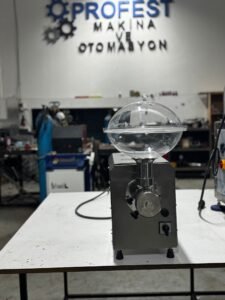

Hazelnut Mills in Turkey: Technology, Tradition, and the Role of Modern Machinery
Turkey is globally recognized as the leading producer of hazelnuts, supplying a significant percentage of the world’s demand. The hazelnut industry is not only a cornerstone of the country’s agricultural economy but also a major contributor to international food manufacturing. From chocolate producers to confectionery companies, countless industries rely on high-quality Turkish hazelnuts.
At the heart of this thriving sector lies a critical piece of industrial infrastructure: the hazelnut mill. These facilities transform raw hazelnuts into valuable products such as roasted kernels, paste, flour, and oil. While traditional techniques once dominated the process, modern hazelnut mills now rely heavily on advanced machinery to maintain quality, efficiency, and food safety.
Among the companies contributing to this modernization is Profest Company for Machinery Manufacturing, a company specializing in advanced processing equipment designed for agricultural and food industries.
Turkey’s Hazelnut Heritage and Global Leadership
Turkey produces around 65–75% of the world’s hazelnuts, making it the undisputed global leader in this sector. Most of the cultivation takes place along the Black Sea coast, particularly in regions such as Ordu, Giresun, Trabzon, and Samsun. These areas provide the ideal climate conditions—moderate rainfall, fertile soil, and temperate temperatures.
While the cultivation of hazelnuts dates back centuries, the industry has evolved significantly over the past few decades. Farmers continue to harvest hazelnuts using traditional methods in many areas. While this maintains cultural heritage and supports rural communities, processing the harvested nuts requires advanced industrial systems to meet international quality standards.
Hazelnut mills serve as the bridge between agricultural production and global food markets. They clean, dry, crack, sort, roast, grind, and package hazelnuts before they are shipped worldwide.
What Is a Hazelnut Mill?
A hazelnut mill is an industrial facility designed to process raw hazelnuts into various finished or semi-finished products. The process involves several stages, each requiring specialized machinery.
The typical hazelnut milling process includes:
- Cleaning and removal of foreign materials
- Drying to achieve optimal moisture levels
- Shell cracking
- Kernel separation
- Roasting
- Grinding or paste production
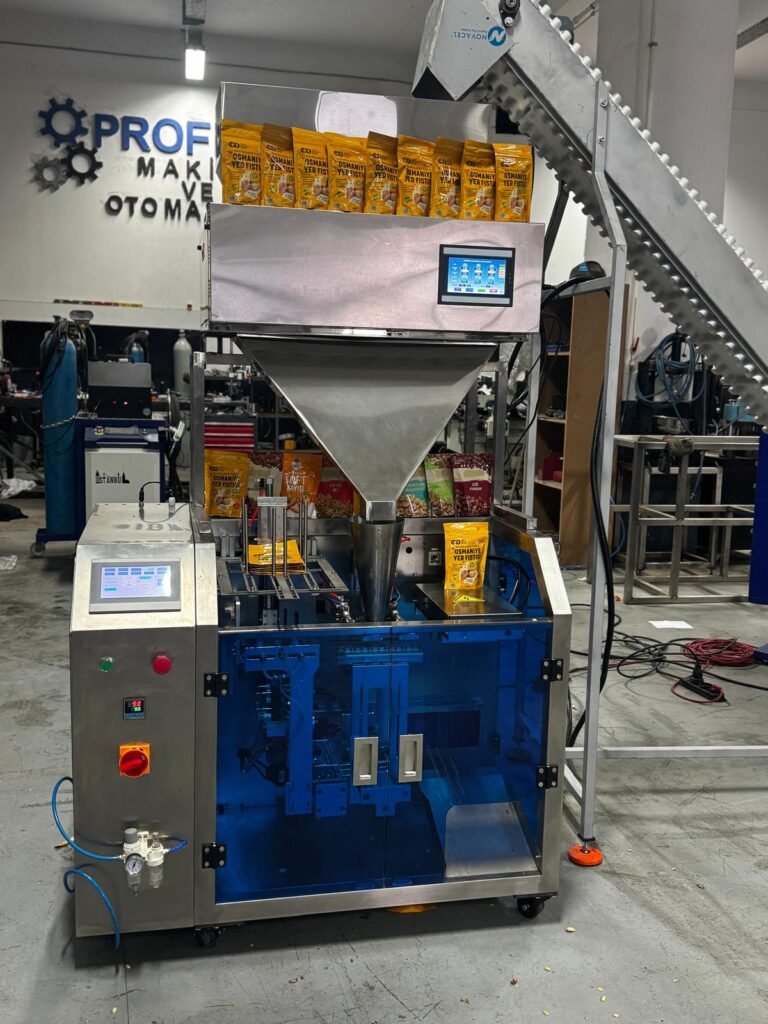
- Packaging
Modern mills rely on automated systems to ensure consistency, efficiency, and hygiene. Moreover, automation reduces labor costs and increases production capacity, making Turkish hazelnut processors more competitive in international markets.
Companies such as Profest Company for Machinery Manufacturing provide specialized machines designed to handle these complex processes efficiently.
The Key Machinery Inside a Hazelnut Mill
Hazelnut processing requires a wide range of equipment working together in a carefully designed production line. Each machine plays a specific role in transforming raw hazelnuts into finished products.
Cleaning Machines
The first stage in any hazelnut mill is cleaning. Raw hazelnuts arriving from farms often contain leaves, stones, dust, and other impurities.
Cleaning machines use vibrating screens, air blowers, and magnetic separators to remove unwanted materials. Thus, the hazelnuts entering the next stage are safe for further processing.
Drying Systems
Hazelnuts must reach a specific moisture level to prevent mold growth and ensure long shelf life. Drying systems use controlled heat and airflow to reduce moisture content efficiently.
For example, modern drying tunnels allow processors to dry large quantities of hazelnuts while maintaining consistent quality.
Cracking and Shell Separation
Once dried, hazelnuts move to cracking machines. These machines carefully break the shells without damaging the kernels inside.
After cracking, separation machines remove shell fragments using gravity tables and air systems. Likewise, optical sorting machines may be used to ensure only high-quality kernels move forward in the production process.
Roasting Equipment
Roasting enhances flavor and aroma, making hazelnuts ideal for confectionery and chocolate production.
Modern roasting machines allow precise control over temperature and time. Moreover, advanced roasting technology ensures uniform roasting across large batches, improving product consistency.
Grinding and Paste Production
Hazelnut paste is a key ingredient in many food products such as chocolate spreads, desserts, and pastries.
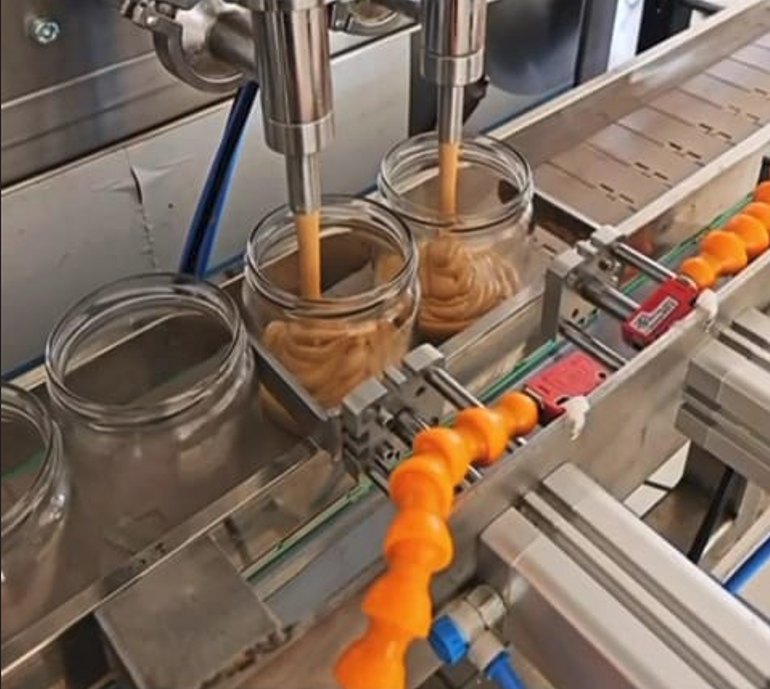
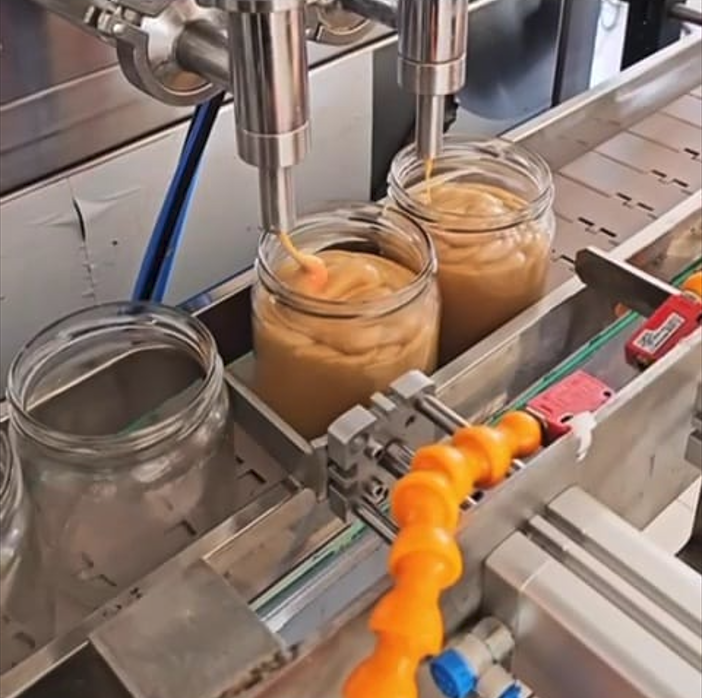
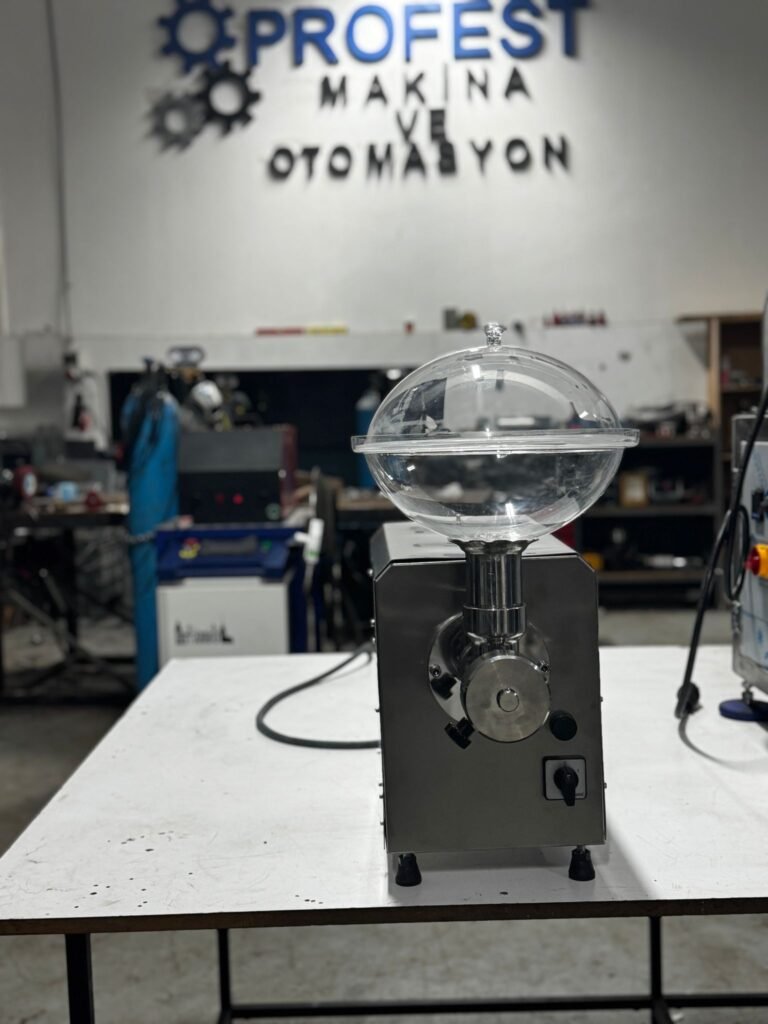
Grinding machines reduce roasted kernels into smooth paste using high-speed blades or stone grinders. Based on that, processors can produce different textures depending on customer requirements.
Companies like Profest Company for Machinery Manufacturing design advanced grinding equipment capable of producing premium hazelnut paste with minimal heat generation, preserving natural flavor.
The Importance of Automation in Modern Hazelnut Mills
Automation has revolutionized hazelnut processing in Turkey. Large mills today process thousands of tons of hazelnuts each year, and manual operations alone cannot meet such demand.
Automated systems allow mills to:
- Increase production capacity
- Reduce labor costs
- Improve hygiene and safety
- Maintain consistent quality
While traditional mills relied heavily on manual inspection, modern facilities use sensors, cameras, and artificial intelligence to detect defects.
On the other hand, automation also requires advanced machinery and technical expertise. This is where specialized equipment manufacturers play a crucial role.
Profest Company for Machinery Manufacturing has contributed to this transformation by offering modern processing equipment tailored to the needs of hazelnut processors.
Hazelnut Mill Design and Workflow Efficiency
Designing a hazelnut mill is not simply about installing machines. It requires careful planning to ensure efficient workflow and optimal use of space.
Engineers must consider several factors:
- Raw material intake and storage
- Production flow between machines
- Energy consumption
- Worker safety
- Maintenance access
Wherever efficiency is prioritized, mills can significantly reduce operational costs and increase profitability.
For example, placing cleaning and drying equipment near raw material storage can reduce transportation time inside the facility. Likewise, automated conveyors can move hazelnuts between machines without manual handling.
Companies specializing in industrial food processing equipment often assist in designing complete production lines. Profest Company for Machinery Manufacturing is one such company offering integrated machinery solutions.
Quality Control in Hazelnut Processing
Quality control is essential in the hazelnut industry because the final products are often used in premium food items such as chocolates, pastries, and gourmet spreads.
Hazelnut mills implement multiple inspection stages to ensure quality.
Common quality control methods include:
- Optical sorting machines
- Metal detectors
- Moisture analysis
- Laboratory testing
Moreover, many hazelnut processors follow international certifications such as ISO, HACCP, and BRC food safety standards.
These systems ensure that the final products meet the strict requirements of global food manufacturers.
Environmental Sustainability in Hazelnut Mills
Environmental responsibility has become increasingly important in the food processing industry.
Hazelnut mills generate by-products such as shells and skins during processing. While these materials were once considered waste, modern facilities have found innovative ways to reuse them.
For example, hazelnut shells can be used as biomass fuel to generate heat for drying systems. Thus, mills can reduce energy costs while minimizing environmental impact.
Likewise, hazelnut skins removed during roasting may be used in animal feed or agricultural fertilizers.
Advanced machinery also reduces water and energy consumption. Profest Company for Machinery Manufacturing designs equipment that prioritizes efficiency and sustainability.
The Role of Machinery Manufacturers in the Industry
Machinery manufacturers are essential partners for hazelnut processors. They provide the technology that enables mills to operate efficiently and meet global demand.
These companies develop equipment that can handle large production volumes while maintaining food safety and product quality.
Moreover, they often offer technical services such as installation, training, and maintenance support.
Producers looking to upgrade or build new hazelnut mills frequently rely on experienced machinery manufacturers to supply specialized equipment.
Profest Company for Machinery Manufacturing is one example of a company contributing to this sector with modern industrial machines designed for food processing.
Those interested in learning more about their machinery solutions can visit the official website:
Global Demand for Hazelnut Products
Hazelnut products are used worldwide in numerous food industries. Chocolate manufacturers, bakeries, dessert producers, and snack companies all rely on processed hazelnuts.
For example, hazelnut paste is a key ingredient in many chocolate spreads and praline fillings.
Likewise, roasted hazelnuts are widely used in confectionery bars and premium desserts.
As global demand continues to grow, hazelnut mills must increase their production capacity while maintaining strict quality standards.
Modern machinery plays a critical role in helping processors meet these demands efficiently.
Investment Opportunities in Hazelnut Milling
The hazelnut processing industry offers significant investment opportunities, particularly in Turkey.
Entrepreneurs interested in entering the sector must consider several factors:
- Availability of raw hazelnuts
- Access to export markets
- Machinery and production technology
- Food safety regulations
Based on that, many investors choose to partner with experienced machinery manufacturers when establishing new mills.
Professional equipment suppliers provide guidance on production capacity, facility layout, and machinery selection.
Thus, investors can build efficient mills capable of competing in international markets.
Future Trends in Hazelnut Milling Technology
Technology continues to reshape the hazelnut processing industry.
Some emerging trends include:
Smart Manufacturing
Sensors and digital monitoring systems allow operators to track machine performance and production efficiency in real time.
Energy-Efficient Machinery
New equipment designs focus on reducing electricity consumption and minimizing environmental impact.
Advanced Sorting Systems
Artificial intelligence and high-resolution cameras can identify defective kernels with remarkable accuracy.
Integrated Production Lines
Modern mills increasingly use fully integrated production systems where each machine communicates with others.
In the end, these innovations help processors maintain high standards while reducing operational costs.
Companies such as Profest Company for Machinery Manufacturing are actively developing machinery solutions that support these advancements.
Frequently Asked Questions (FAQs)
What is a hazelnut mill?
A hazelnut mill is an industrial facility where raw hazelnuts are processed into finished or semi-finished products such as roasted kernels, hazelnut paste, flour, and oil.
Why is Turkey important in the hazelnut industry?
Turkey produces the majority of the world’s hazelnuts, particularly in the Black Sea region. This makes the country a central hub for hazelnut cultivation and processing.
What machines are used in hazelnut mills?
Common machines include cleaning equipment, drying systems, shell cracking machines, sorting systems, roasting machines, grinding equipment, and packaging lines.
What products are made from hazelnuts?
Hazelnuts can be processed into several products including roasted kernels, hazelnut paste, hazelnut oil, hazelnut flour, and ingredients used in chocolates and desserts.
How does automation improve hazelnut milling?
Automation increases production efficiency, reduces labor costs, improves hygiene standards, and ensures consistent product quality.
What role does Profest Company for Machinery Manufacturing play in the industry?
Profest Company for Machinery Manufacturing provides advanced machinery designed for food processing industries, including equipment used in hazelnut mills.
Can hazelnut mill by-products be reused?
Yes. Hazelnut shells can be used as biomass fuel, while skins removed during roasting may be used in animal feed or fertilizers.
Where can I learn more about hazelnut processing machinery?
You can explore professional machinery solutions by visiting the official website: