

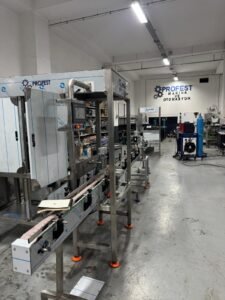

Revolutionizing Hazelnut Butter Production in Turkey: A Complete Guide to Modern Machinery
Turkey is famously one of the world’s leading producers of hazelnuts, supplying more than 70% of global demand. In recent years, technological advancements in food processing have transformed how hazelnuts are processed into value‑added products like hazelnut butter. Greater efficiency, consistency, and hygiene standards are now expected from modern machinery. In this rapidly evolving landscape, the Profest Company for Machinery Manufacturing stands out as a pioneer in developing high‑quality hazelnut butter production machines and complete turnkey solutions.
This comprehensive article explores hazelnut butter production in Turkey—emphasizing innovative machinery, the manufacturing process, technological advantages, and why investing in specialized equipment can dramatically impact profitability. Whether you are a large producer, a small entrepreneur, or a food industry investor, this content will guide you through everything you need to know about efficient and competitive hazelnut butter production.
The Growing Demand for Hazelnut Butter in Global Markets
Turkey’s hazelnut industry continues to grow. With rising demand for healthier spreads and natural nut butters, hazelnut butter has garnered increasing attention from consumers and food manufacturers alike. Health‑conscious buyers are attracted to hazelnut butter’s nutritional profile—rich in healthy fats, protein, and antioxidants.
While hazelnuts are traditionally used in confectionery, chocolate, and baking industries, hazelnut butter has opened new commercial avenues. The product’s versatility—used in snacks, sauces, desserts, and even dairy alternatives—boosts demand across different food segments.
Moreover, as consumers seek alternatives to peanut and almond butter, hazelnut butter is gaining market share, especially in Europe, North America, and the Middle East. Thus, advanced production lines are no longer optional—they are essential to meet volume, safety, and quality standards.
Understanding Hazelnut Butter Production: From Nut to Spread
Producing hazelnut butter involves more than grinding nuts. The quality of the final product depends significantly on the machinery, process control, and sanitation practices. Let’s walk through the key stages of production:
- Raw Material Cleaning and Sorting
At the beginning of the production process, raw hazelnuts must be thoroughly cleaned. This step removes debris such as stones, dust, and foreign contaminants that could affect taste and machine integrity.
- Roasting for Flavor Development
Roasting enhances flavor and aroma while reducing moisture. Precision roasting machines ensure uniform heat distribution based on roast profile preferences.
- Cooling and De‑shelling
Rapid cooling prevents over‑roasting. Afterwards, nuts are hulled to separate the kernels from shells. High‑performance de‑shellers make this process efficient and preserve kernel integrity.
- Grinding and Homogenization
This is the core transformation stage. Hazelnut kernels are ground until oil is released, forming a smooth paste. Industrial grinders and homogenizers must be capable of continuous operation, with adjustable settings for texture and consistency.
- Quality Control and Packaging
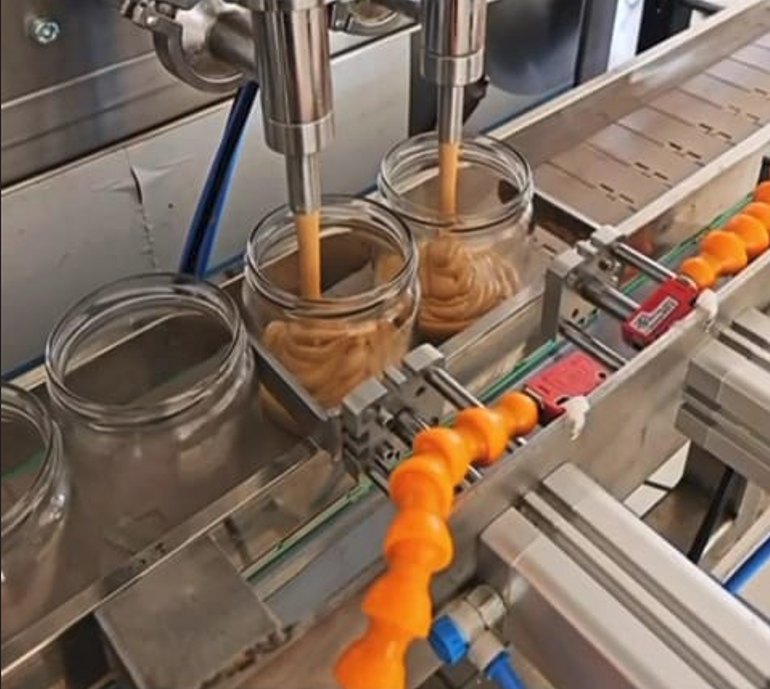
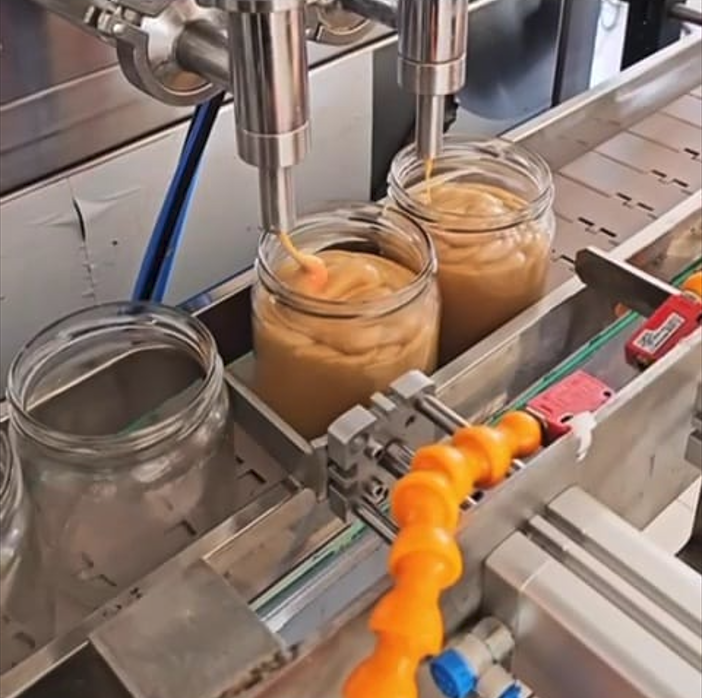
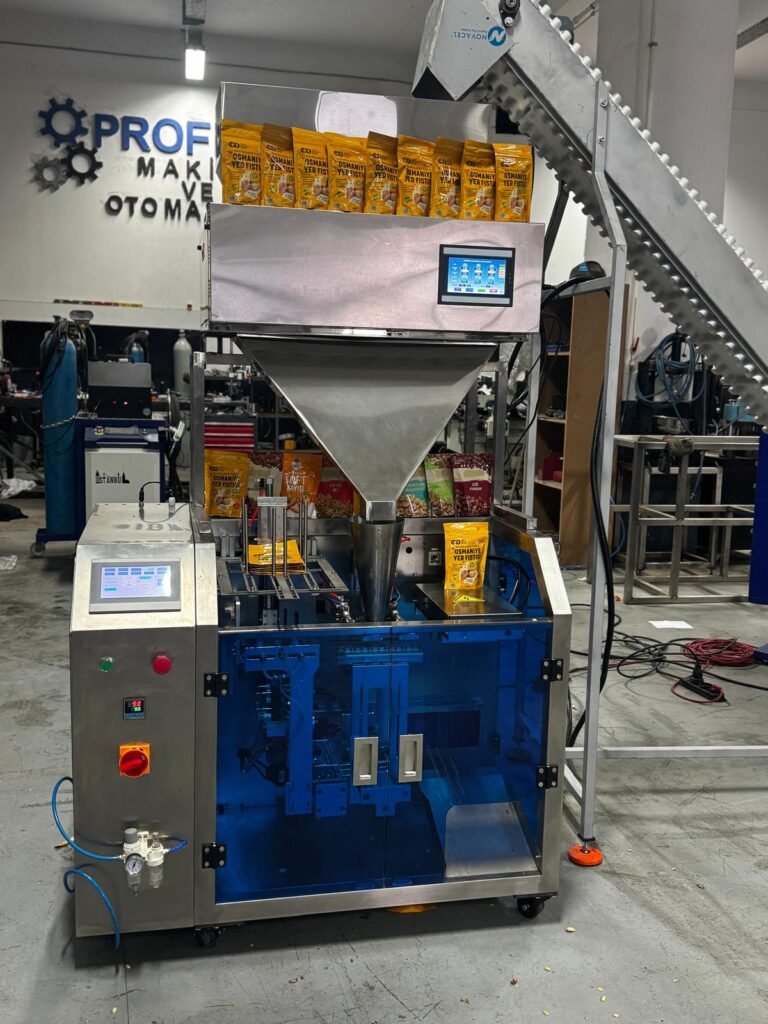
Hazelnut butter is checked for texture, microbial safety, and oil separation before packaging. Automated packaging systems ensure portion control and hygiene compliance.
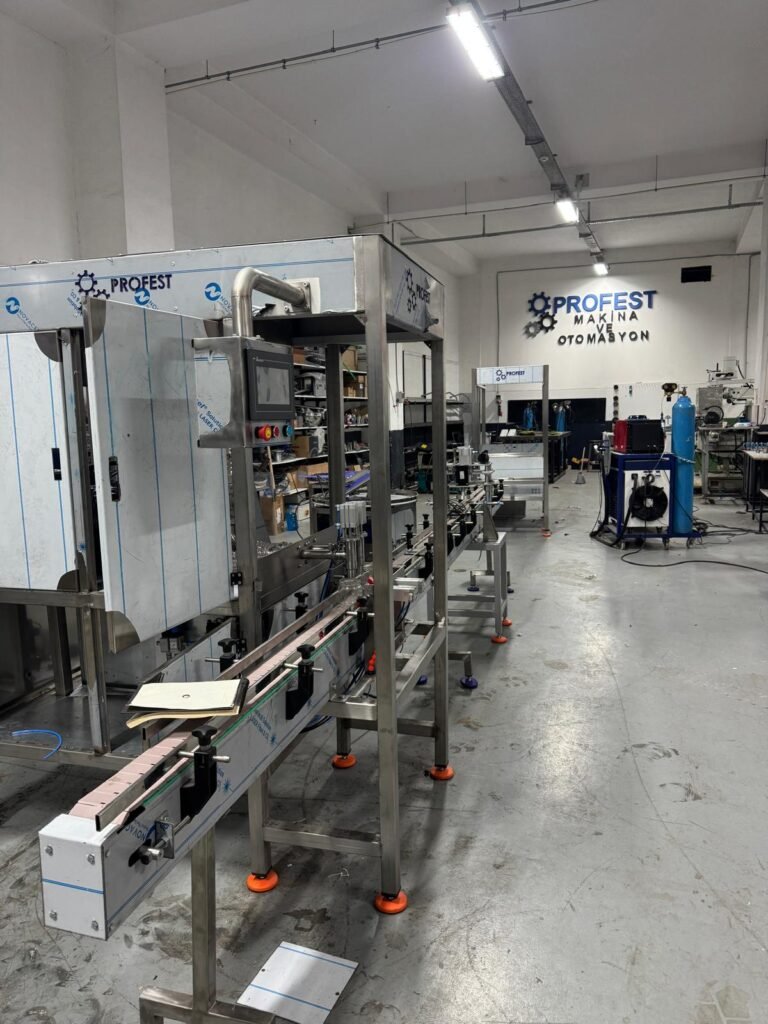
Wherever quality and consistency are required, investing in a complete, automated hazelnut butter production line significantly reduces labor costs and improves product uniformity.
Profest Company for Machinery Manufacturing: Your Partner in Production Excellence
When it comes to specialized food processing equipment, Profest Company for Machinery Manufacturing has built a reputation for reliable, innovative solutions tailored to modern industry needs.
Based in Turkey—a country at the heart of hazelnut production—Profest understands the unique challenges and opportunities of processing hazelnuts into premium butter. The company’s engineering expertise supports producers from initial consultation through commissioning and after‑sales service.
On the Profest website, https://profest.com.tr/ar, you can explore a wide range of machinery, including roasting ovens, de‑shellers, grinders, mixing tanks, and complete production lines suitable for both small and large‑scale operations.
Key Features of Hazelnut Butter Machines from Profest
Investing in top‑tier machinery is critical for long‑term success. Profest’s hazelnut butter production machines offer features designed for performance, efficiency, and safety:
Advanced Grinding Technology
The grinders used in hazelnut butter lines are engineered for precision. Their multi‑stage operation ensures that kernels are ground into a smooth, consistent paste, with minimal heat generation to maintain flavor integrity.
On the other hand, inferior grinders often produce inconsistent texture and generate excess heat—affecting product quality.
Automated Control and Monitoring
Profest machines come with PLC automation for real‑time monitoring and process control. Parameters like temperature, grind time, and motor speed are adjustable and recorded electronically for quality assurance.
Custom Capacity Solutions
Whether you’re processing dozens of kilograms per hour or multiple tons, Profest offers scalable solutions. Production capacity can be customized based on projected demand and plant footprint, helping businesses grow with confidence.
Likewise, auxiliary machines such as automatic packaging units and labeling systems integrate seamlessly into complete production lines.
Hygienic and Easy‑to‑Clean Design
Food safety is non‑negotiable. Profest designs equipment with stainless steel contact surfaces, easy‑access parts, and sanitation features that comply with international food safety standards. Fast, effective cleaning reduces downtime between batches.
Why Turkish Hazelnut Butter Machinery is a Smart Investment
The benefits of investing in a specialized hazelnut butter production machine extend beyond operational efficiency:
Higher Yield and Product Quality
Modern machines optimize the extraction of natural oils from hazelnuts, increasing yield and improving texture. As consumers increasingly expect smoothness and sensory appeal, such quality advantages translate to market success.
Lower Production Costs
While the initial investment in equipment may seem significant, automated lines significantly reduce labor and rework costs over time. Furthermore, energy‑efficient machines lower utility expenses, contributing to overall profitability.
In the end, producers who leverage advanced machinery gain a competitive edge by offering superior products at optimized costs.
Compliance with International Standards
Export markets demand strict compliance with food safety and quality regulations. Investing in state‑of‑the‑art equipment enhances traceability and hygiene, facilitating easier access to foreign markets.
Also, partnering with an experienced manufacturer like Profest ensures support in documentation and certification, further streamlining regulatory compliance.
Choosing the Right Hazelnut Butter Production Line
Selecting the right equipment depends on several factors:
Production Capacity
Estimate current volume needs and future growth. Small startups may begin with semi‑automatic lines, while commercial factories require fully automated systems with continuous throughput.
Budget Considerations
Machine price varies by capacity and sophistication. It’s essential to balance upfront costs against long‑term ROI. Profest provides tailored solutions that help manufacturers find optimal balance points, ensuring maximum value.
Customization Needs
Some producers may require variations in texture, flavor profiles, or packaging specifications. Machines with modular designs offer flexibility for product diversification.
After‑Sales Support
Reliable maintenance, spare parts availability, and technical training are vital. Profest maintains dedicated customer support to ensure that operations run smoothly and downtime is minimized.
Based on that, consult with industry experts and evaluate machine specifications carefully before purchase.
Innovation Trends in Hazelnut Butter Production
Technological innovation continues to reshape food manufacturing. Here are some noteworthy trends impacting hazelnut butter production:
IoT and Smart Manufacturing
Integration of industrial IoT allows machines to communicate performance data, optimize energy usage, and predict maintenance needs. Smart systems reduce unexpected breakdowns and improve overall productivity.
Sustainable Energy and Waste Reduction
Eco‑friendly production is becoming standard. Energy recovery systems, improved insulation, and reduced water usage help lower environmental footprint. Machines designed for minimal waste contribute to sustainable operations.
Customized Product Lines
With consumer demand shifting toward unique flavors—such as raw hazelnut butter, mixed nut butter, or organic options—production lines with adjustable parameters allow flexible recipe development.
Enhanced Traceability
Blockchain and digital tracking systems help producers provide transparent supply chains, allowing customers to verify sources and production methods.
Profest stays ahead of these trends, continually updating its machinery designs to incorporate the latest technological advantages. Visit https://profest.com.tr/ar to learn more about how advanced machinery aligns with future market demands.
Challenges in Hazelnut Butter Production and How Machinery Addresses Them
Even with advanced technology, producers face ongoing challenges such as seasonal nut variability, oil separation, and maintaining consistent quality. Fortunately, modern production lines incorporate solutions for these issues:
Nut Variability and Sorting
Natural variability in hazelnut size and oil content can affect texture. High‑precision sorting and measurement equipment help standardize input quality, minimizing inconsistency.
Oil Separation
Hazelnut butter has a natural tendency for oil separation. Machines with continuous agitation and temperature control reduce separation, ensuring smooth texture in final packaging.
Heat Management
Excessive heat during grinding can impact flavor. Advanced mills are designed with cooling systems and optimized mechanisms to preserve taste and nutritional value.
Wherever production scale grows, minimizing such technical issues ensures better consumer satisfaction and lower waste.
Sustainability and Environmental Responsibility in Machinery Design
Environmental stewardship is increasingly important to manufacturers and consumers alike. Efficient hazelnut butter machines should embrace sustainability by reducing energy use, minimizing waste, and optimizing cleaning cycles.
Profest integrates sustainable principles into equipment design. For example:
- Energy‑efficient motors and drives reduce electricity consumption.
- Modular systems allow targeted operation, avoiding unnecessary energy use.
- Easy‑to‑clean components reduce water waste and sanitation chemicals.
By embracing green technology, producers can reduce operating costs while appealing to eco‑conscious customers.
Scaling Your Business with Complete Production Solutions
Hazelnut butter production is not just about machinery—it’s about the entire ecosystem from procurement and processing to packaging and marketing. Full production solutions consider:
- Supply chain logistics: sourcing high‑quality hazelnuts.
- Production scheduling: matching capacity with demand.
- Market positioning: branding and distribution strategies.
- Regulatory compliance: food safety, labeling, and export documentation.
Profest offers consultancy and integration services to help companies develop turnkey systems that encompass all aspects of production. This comprehensive support ensures that producers are well‑positioned to compete domestically and internationally.
Investing in the Future: Training and Workforce Efficiency
Modern production lines may reduce manual labor but require skilled personnel to operate and maintain systems. Training programs help workers understand:
- Machine operation and safety protocols.
- Preventative maintenance routines.
- Quality control checkpoints.
- Troubleshooting fundamentals.
By investing in workforce development, businesses enhance productivity and reduce downtime, maximizing returns from equipment investments.
Profest’s Commitment to Excellence
As hazelnut butter demand grows worldwide, choosing the right machinery partner becomes essential. Profest Company for Machinery Manufacturing brings deep expertise, innovative technology, and client‑focused solutions to the table.
By visiting https://profest.com.tr/ar, potential clients can:
- Explore detailed specifications of production lines.
- Request personalized consultations.
- Understand how machinery integrates into broader production strategies.
Whether you are launching a new plant or upgrading existing facilities, Profest aims to deliver solutions that align with market trends and production objectives.
Frequently Asked Questions (FAQs)
Q1: Why is specialized machinery important for hazelnut butter production?
A1: Specialized machinery ensures consistent texture, efficient oil extraction, improved hygiene, and reduced labor costs. General equipment may not deliver the precision required for high‑quality hazelnut butter.
Q2: What production capacity options are available for hazelnut butter lines?
A2: Production lines range from small pilot systems for startups to large industrial setups capable of processing multiple tons per day. Manufacturers like Profest customize machines based on production goals.
Q3: How does automation benefit hazelnut butter production?
A3: Automation reduces human error, ensures repeatable quality, enables real‑time monitoring, and improves operational efficiency while facilitating compliance with safety standards.
Q4: Can hazelnut butter production machinery handle other nut butters?
A4: Many modern grinders and processing systems are versatile, enabling the production of almond, peanut, cashew, and mixed nut butters with adjustment of settings.
Q5: What should producers consider before investing in a production line?
A5: Producers should evaluate production capacity needs, budget, customization requirements, after‑sales support, and the manufacturer’s industry reputation.