

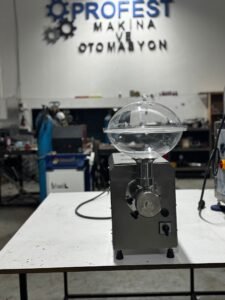
Almond grinding machine in Turkey

Revolutionizing Almond Processing: A Deep Dive into Almond Grinding Machines in Turkey
Turkey has long been known as a global agricultural hub, boasting a rich tradition of cultivating almonds, pistachios, and other nuts. As the world’s demand for high‑quality nut products grows — whether for culinary, nutritional, or industrial use — the need for efficient and reliable processing technology has never been greater. In this evolving landscape, almond grinding machines have emerged as essential tools for producers across the country, enabling cost‑effective production and consistent quality.
One company leading this technological edge in Turkey is Profest Company for Machinery Manufacturing, a pioneer in designing, building, and supplying robust industrial nut processing equipment. This article explores everything you need to know about almond grinding machines in Turkey: from the technology and applications to benefits, challenges, and practical insights that help decision‑makers choose the right solution for their business.
Throughout this comprehensive overview, we dive into how almond grinders work, what features matter most, where they’re used, and why companies like Profest stand out in the marketplace. Let’s begin with the basics.
Introduction to Almond Grinding Machines
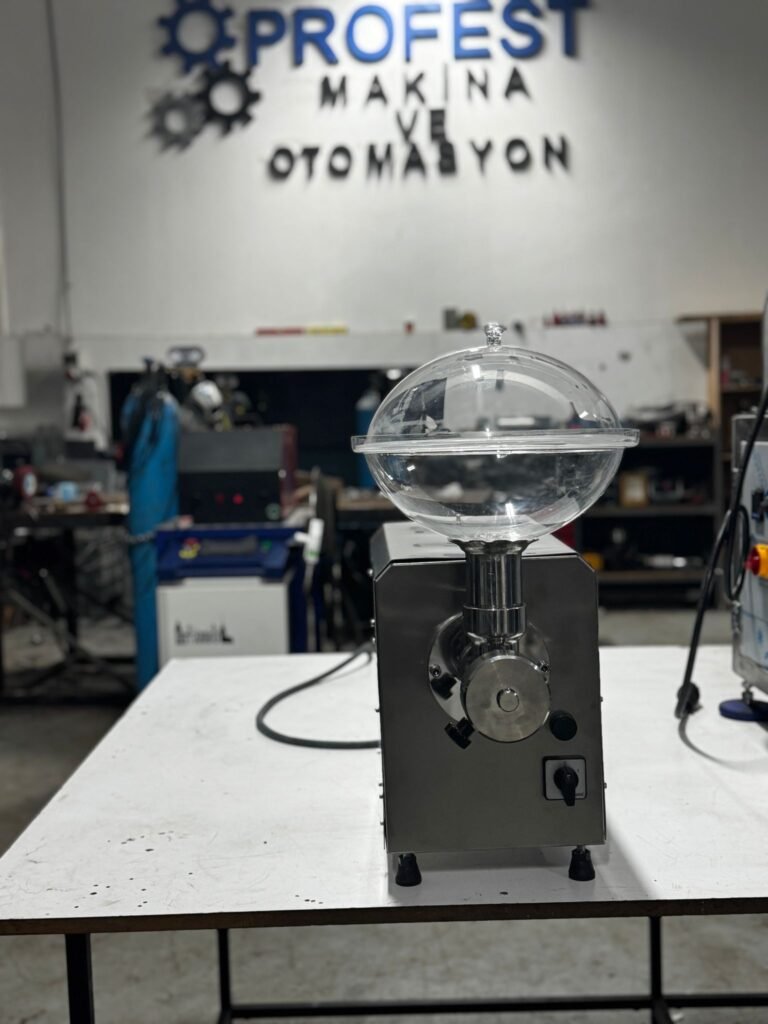
Almond grinding machines are mechanical systems engineered to reduce whole almonds into finely milled almond flour, paste, meal, or butter. With precise control over particle size and texture, these machines are vital for food processors, bakeries, confectioneries, and industrial manufacturers.
While traditional hand tools and manual methods were once the norm, modern grinding machines bring speed, consistency, and hygiene to processing lines. In Turkey — where almond products range from local favorites to export goods — the adoption of industrial grinders has accelerated to meet rising standards and production volumes.
Almond grinding machines vary in design and complexity, from small capacity models suitable for artisan producers to large continuous systems optimized for high throughput operations. Whatever the scale, these machines deliver uniform results that serve diverse culinary and commercial needs.
How Almond Grinding Machines Work
At their core, almond grinding machines employ mechanical forces — typically shearing, crushing, and friction — to break almond kernels into smaller particles. The design and mechanics vary between types, but most share these fundamental components:
- Hopper and Feeding System: This is where whole almonds are loaded into the machine. Efficient feeding mechanisms ensure a smooth and continuous process.
- Grinding Chamber: Inside this core section, almonds are crushed between rotating blades, burrs, or rollers.
- Control Panel: Users adjust parameters like speed, temperature (when applicable), and fineness of grind.
- Output System: Finished almond products exit through discharge ports or collection trays.
To illustrate, in wet grinding systems designed for almond paste or butter, the machine’s internal walls are often jacketed for temperature control. Dry grinding systems, used for flour or meal, may include sieves or screens that classify particles based on size.
Grinding performance is influenced by several variables, including almond moisture content, oil levels, machine speed, and blade configuration. Thus, selecting the right machine and settings is a strategic decision for producers.
Types of Almond Grinding Machines in Turkey
Turkey’s industrial machinery market offers a range of almond grinders tailored to diverse applications. These can be grouped into several main types:
- Dry Almond Grinders
Dry grinders are designed to transform almonds into powder or almond meal. They are widely used in bakeries, confectioneries, and product development labs. Typical features include:
- Adjustable screens for controlling granularity
- High‑speed blades or burrs
- Dust management systems to maintain hygiene
For example, a bakery needing fine almond flour for pastries would use a dry grinder with ultra‑fine screens to achieve consistent output.
- Wet Almond Grinders
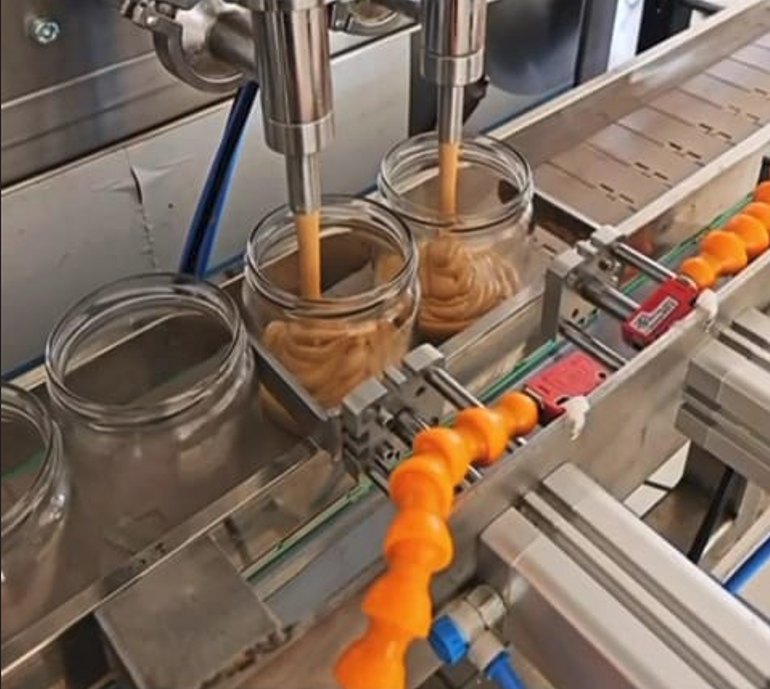
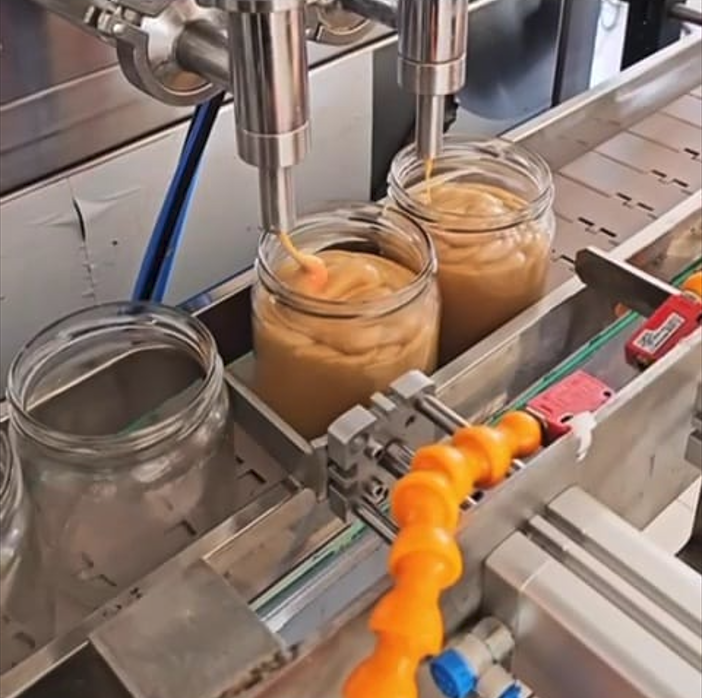
These machines turn almonds into thick pastes or butters. Wet grinding often requires cooling systems to prevent overheating and preserve the natural flavor and nutrition of the oil‑rich nuts.
Wet grinders are essential for producing almond butter, marzipan base, and other spreadable products. Operators must carefully manage processing parameters to avoid oil separation.
- Continuous vs Batch Systems
Wherever production volume matters, manufacturers can choose between continuous and batch grinding systems:
- Continuous Systems: Designed for high volume and seamless production, these operate nonstop and are ideal for industrial plants.
- Batch Systems: Better suited to smaller scale operations or specialty product runs, batch machines process one load at a time but offer flexibility.
Each type has its place in the market, and the ideal choice depends on business goals, floor space, and investment capacity.
Why Almond Grinding Technology Matters in Turkey
Turkey’s almond industry plays a significant role in both the domestic and international markets. Almond products are used in traditional Turkish cuisine, modern confectionery, cosmetics, and health food segments. Moreover, Turkish almond exports continue to expand, increasing the stakes for quality, reliability, and regulatory compliance.
Here’s why modern grinding machines are changing the game:
Improved Product Quality
Grinding machines deliver uniform particle size and texture — a key determinant of product quality. Whether it’s almond flour for cakes or paste for premium confectionery, consistency is non‑negotiable.
Enhanced Production Efficiency
Modern grinding technology significantly reduces processing time. On the other hand, manual or outdated methods are labor‑intensive and inconsistent. With automation and precise controls, producers can scale output without compromising quality.
Better Hygiene and Safety Standards
Food safety regulations demand hygienic processing environments and machinery that’s easy to clean. Many modern almond grinders meet international sanitation requirements, making them ideal for export‑oriented production.
Cost Efficiency Over Time
Although investing in sophisticated equipment requires capital, the long‑term savings in labor, waste reduction, and product yield make grinding machines cost‑effective. Thus, businesses often experience a quick return on investment.
Meet Profest Company for Machinery Manufacturing
Among the leading providers of industrial nut processing equipment in Turkey is Profest Company for Machinery Manufacturing. With years of experience in engineering, Profest specializes in designing custom grinding solutions that meet the unique needs of almond processors, food producers, and industrial clients.
Profest’s portfolio includes:
- High‑performance almond grinding machines
- Dry and wet processing systems
- Turnkey solutions for large‑scale manufacturing
- After‑sales support and maintenance services
Based on that expertise, Profest has established a reputation for delivering reliable, durable, and efficient machinery suitable for local and export markets. Clients benefit from customized configurations, robust construction, and technology that adheres to industry standards.
Businesses interested in exploring Profest’s solutions are invited to visit the official website via this link: https://profest.com.tr/ar
Key Features to Look for in Almond Grinding Machines
When choosing an almond grinding machine, several technical and practical features should guide your decision:
Adjustable Grind Settings
Different products require different particle sizes. Machines that offer adjustable screens or variable blade configurations provide greater flexibility.
Capacity and Throughput
Production goals directly influence capacity requirements. High‑volume manufacturers need continuous systems capable of handling large quantities, whereas boutique producers might prioritize precision over speed.
Ease of Cleaning and Maintenance
Hygiene is critical in food processing. Look for machines with accessible parts, quick release mechanisms, and materials that withstand frequent sanitation routines.
Energy Efficiency
Processing equipment can be energy intensive. Efficient designs help reduce operating costs and minimize environmental impact.
Support and Warranty
Reliable technical support and a solid warranty are important. On the other hand, choosing equipment without adequate backup can lead to unnecessary downtime.
Applications of Almond Grinding Machines
Almond grinding machines aren’t limited to one industry or use case. Their versatility makes them valuable across settings:
Food and Baking Industry
Almond flour, meal, and paste are staple ingredients in confectionery, bread, cakes, cookies, and dietary products. In particular:
- Gluten‑free baking often relies on almond flour
- Gourmet chocolates use almond paste blends
- Energy bars incorporate almond meal for texture
Specialty Health Foods
With rising demand for plant‑based and health‑focused foods, almond products — rich in healthy fats, protein, and micronutrients — have surged in popularity. Grinding machines help producers innovate new health snacks, protein blends, and nutrient‑dense ingredients.
Cosmetic and Nutraceutical Sectors
Almond oil and extracts are used in skincare, massage oils, and supplements. Precise grinding helps facilitate oil extraction or fine milling for encapsulation.
Practical Considerations for Turkish Almond Producers
Adopting industrial grinding technology requires thoughtful planning. Here are some common considerations:
Space and Layout Planning
Industrial grinders vary in footprint. Before purchasing, businesses should assess available plant space and design efficient workflows.
Training and Workforce Development
New technology often comes with a learning curve. Providing staff with training ensures safe operation and optimal maintenance.
Regulatory Compliance
Food processing equipment must meet health and safety standards. Companies should verify that their machinery adheres to Turkish and international regulations.
Cost vs Value Analysis
While upfront costs are important, it’s equally essential to weigh long‑term value — such as lower waste, higher output, and quality consistency — into investment decisions.
Common Challenges and How to Overcome Them
Investing in and operating almond grinding machinery isn’t without hurdles. Here are some challenges producers may face and practical solutions:
Overheating and Oil Separation
During wet grinding, heat can cause oil separation, degrading product quality. To address this, choose machines with effective cooling systems and monitor processing parameters closely.
Inconsistent Particle Size
If grinders lack adjustable settings or screens, the resulting product may be uneven. Opting for models with fine tuning capabilities helps ensure uniformity.
Maintenance Downtime
Without proper maintenance protocols, machinery can fail unexpectedly. Establishing a preventive maintenance schedule and stocking essential spare parts reduces downtime.
Benefits of Working with Established Manufacturers
Partnering with reputable equipment manufacturers, such as Profest Company for Machinery Manufacturing, brings multiple advantages:
- Technical expertise and customization options
- Reliable after‑sales service and support
- Proven equipment built for durability
- Compliance with industry standards
Moreover, established providers understand global market demands and can help businesses tailor solutions for specific applications.
Future Trends in Almond Processing in Turkey
The industry continues to evolve with innovations in automation, smart sensors, and quality control. Future almond grinding machines are likely to incorporate:
- Real‑time monitoring and digital controls
- Integrated safety systems
- Energy‑efficient motors and designs
- Modular platforms for flexible production lines
These advancements will help Turkish almond producers stay competitive in both domestic and international markets.
In the End: Almond Grinding Machines as Strategic Assets
Almond grinding machines are more than just equipment — they are strategic assets for businesses that aim to grow, maintain quality, and meet consumer expectations. In Turkey’s dynamic agricultural and industrial ecosystem, technology plays a crucial role in transforming traditional products into high‑value goods.
Whether you’re an artisan producer or an industrial manufacturer, understanding the machinery, features, applications, and best practices is key to success. Companies like Profest Company for Machinery Manufacturing are at the forefront of this transformation, offering solutions that support efficiency, quality, and innovation.
If you want to explore premium almond grinding solutions, be sure to visit Profest’s official site at https://profest.com.tr/ar
Frequently Asked Questions (FAQs)
- What is an almond grinding machine?
An almond grinding machine is a mechanical device designed to reduce whole almonds into powder, meal, flour, paste, or butter depending on the intended application. These machines provide controlled particle size and high‑quality output suitable for food production and industrial use. - What are the main types of almond grinders?
The main types include dry grinders for flour and meal, wet grinders for paste or butter, and both batch and continuous systems. Each type is designed for different production volumes and output characteristics. - Can almond grinding machines be used for other nuts?
Yes. Many almond grinding machines are versatile and can process other nuts like pistachios, walnuts, hazelnuts, and more with the right settings or attachments. - How do I choose the right capacity for my business?
Capacity depends on your production goals. Smaller facilities or specialty producers may opt for batch systems with lower throughput, while industrial plants may choose continuous systems with higher capacities. - Why is maintenance important for grinding machines?
Regular maintenance ensures consistent performance, minimizes downtime, and prolongs equipment life. Cleaning, lubrication, and inspection of wear parts are key maintenance tasks.