

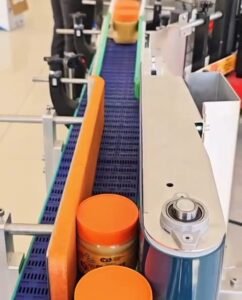

Revolutionizing Almond Butter Production in Turkey
A Deep Dive into Almond Butter Making Machines and Industrial Innovation
Almond butter has grown from a niche health product to a mainstream staple in diets across the globe. In Turkey, where innovation in food production meets traditional agriculture, the demand for reliable almond butter making machines is on the rise. Whether you are a small-scale producer or an industrial enterprise, understanding these machines, their benefits, and how to choose the right one is essential for consistent product quality. Profest Company for Machinery Manufacturing, a leader in industrial food machinery, offers state-of-the-art solutions that have transformed the way almond butter is produced in Turkey and beyond.
This article will explore the features, benefits, and applications of almond butter making machines, and explain why manufacturers like Profest are gaining international recognition. We will guide you through the essential aspects of these machines and answer the most frequently asked questions at the end.
Almond Butter: From Artisanal to Industrial Scale
Almond butter once belonged exclusively to artisanal kitchens and health food boutiques. However, rising global demand has pushed producers to adopt mechanized systems to ensure consistency, hygiene, and scalable output. Turkey’s strategic location between Europe, Asia, and the Middle East makes it a hub for food machinery manufacturing, including equipment designed for nut processing.
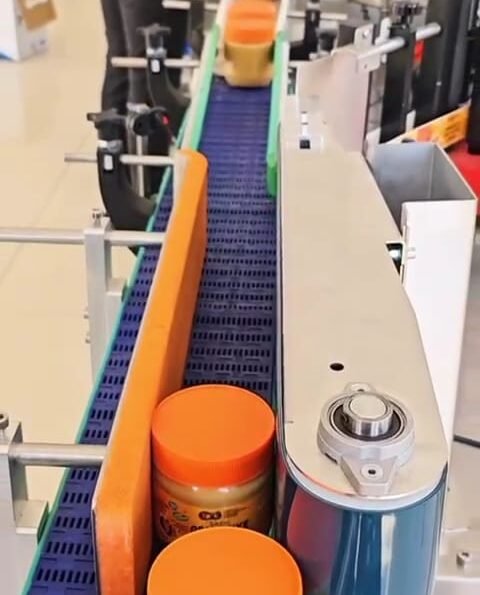
While traditional methods rely heavily on manual labor, industrial almond butter making machines automate grinding, mixing, and bottling processes. This not only increases efficiency but also enhances quality control. Modern machines can handle dozens of kilograms per hour, delivering uniform texture and flavor with minimal human intervention.
Moreover, adopting advanced machines opens new business opportunities. Large retailers, wholesale distributors, and export-oriented companies all require stable supply chains backed by robust production technologies.
What Is an Almond Butter Making Machine?
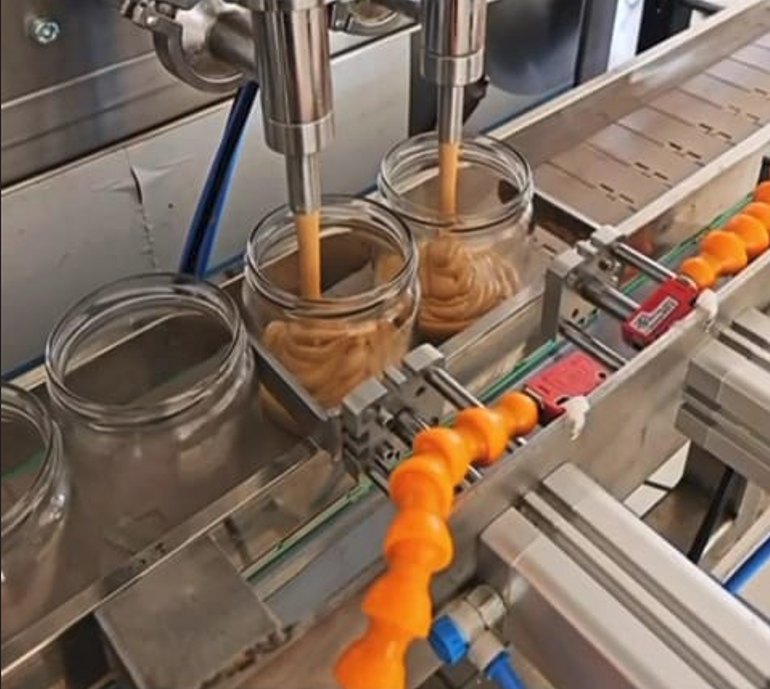
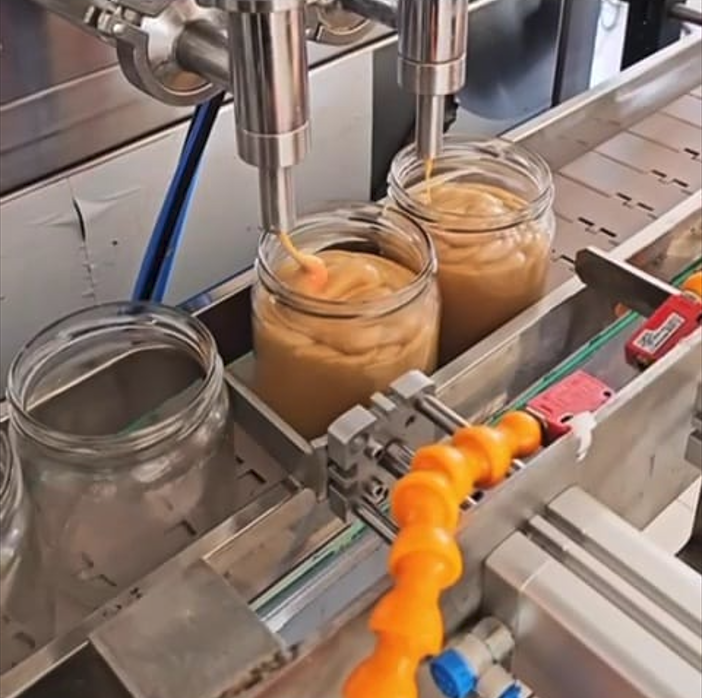
At its core, an almond butter making machine is engineered to transform raw almonds into creamy, spreadable butter through grinding and emulsifying processes. These machines typically consist of:
- Feeding systems to introduce raw nuts
- High-torque grinders that crush almonds into a paste
- Heating elements to adjust viscosity
- Mixing blades for uniform consistency
- Control panels for adjusting speed and temperature
Based on that design, manufacturers can offer machines tailored to a wide range of production capacities — from small workshop units to large industrial models capable of continuous operation.
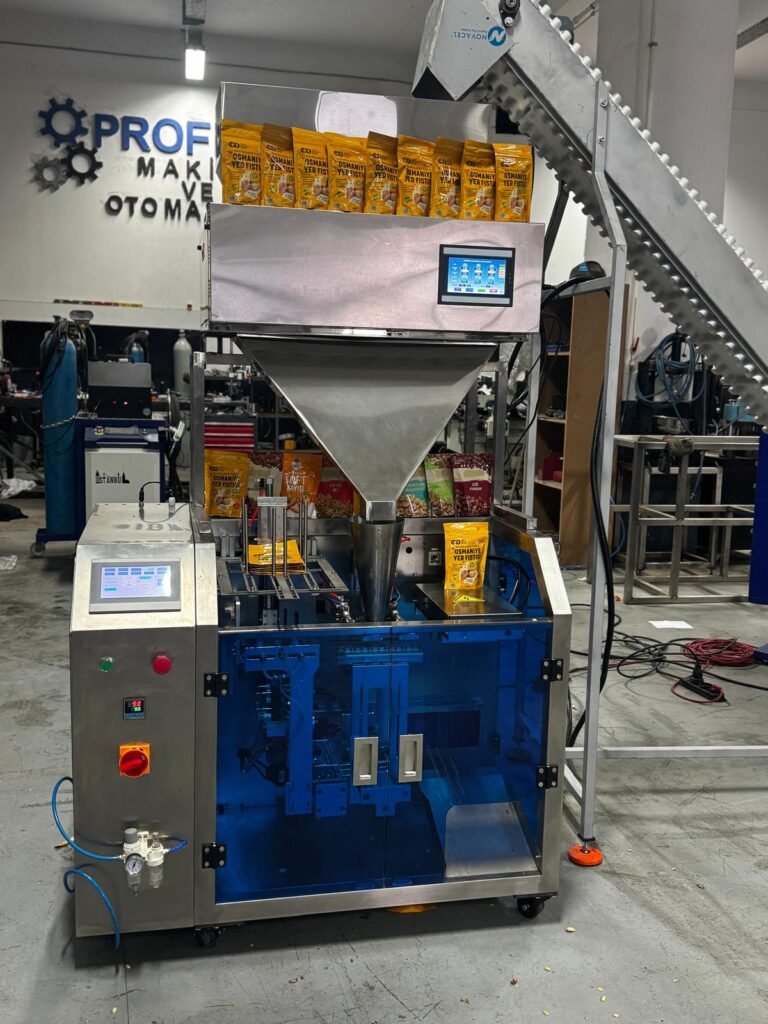
For example, Profest’s almond butter making machines are designed to meet the needs of both startups and established processing plants. These machines are engineered with precision components, ensuring optimal performance and low maintenance costs.
How Almond Butter Machines Work
Understanding the mechanics behind almond butter production helps producers optimize their process. The workflow generally includes the following stages:
- Pre-Treatment
Almonds are cleaned and roasted. Roasting enhances flavor and facilitates grinding. - Grinding
The roasted almonds are fed into the grinding chamber. High-speed steel blades crush the nuts into a fine paste. - Emulsification
The paste is mixed thoroughly to break down oil separation and achieve a smooth texture. - Temperature Control
Heating systems ensure the almond butter remains fluid during processing without overheating, preventing loss of nutrients. - Output and Packaging
Finished almond butter is discharged into containers, ready for distribution.
Likewise, advanced machines often include automation features such as programmable logic controllers (PLCs), touchscreen interfaces, and safety interlocks. These elements make the machines not only efficient but also safe and easy to operate.
Why Turkey Is Emerging as a Hub for Almond Butter Machinery
Turkey’s industrial growth has been remarkable, especially in the realm of food machinery manufacturing. Companies like Profest have established a reputation for durable, high-performance equipment. These manufacturers benefit from:
- A robust engineering workforce
- Access to quality raw materials
- Strategic logistics networks
- Competitive pricing compared to European counterparts
On the other hand, local producers in other countries face challenges sourcing reliable machinery without high import costs or long delivery times. Turkey bridges this gap with a strong domestic manufacturing ecosystem.
Furthermore, Turkish machinery manufacturers emphasize customization. Almond butter makers can request machines suitable for their specific needs, including capacity, automation level, and integration with existing production lines. This flexibility makes Turkey an attractive partner in food processing technology.
Industrial Benefits of Using Almond Butter Making Machines
Switching from manual processing to industrial-grade equipment yields significant advantages:
Increased Productivity
Industrial machines can handle significantly higher volumes than manual methods. In a commercial setting, this means more output per hour and better scalability.
Consistency in Quality
Automated systems reduce human error and ensure each batch of almond butter meets specified standards, in terms of texture, flavor, and nutritional integrity.
Cost Efficiency
While the initial investment may be higher than traditional tools, the return on investment comes through labor savings, reduced waste, and higher throughput.
Improved Hygiene and Safety
Modern machines are designed with food safety in mind. Stainless steel components, closed grinding systems, and sanitary designs reduce contamination risk.
Versatility
Many almond butter machines can be adapted for other nut butters, such as cashew or peanut butter, increasing the machine’s utility.
Thus, deploying an advanced machine becomes a strategic move that benefits both production and profitability.
Profest Company for Machinery Manufacturing: A Leader in the Field
Among the various manufacturers in Turkey, Profest Company for Machinery Manufacturing stands out for its commitment to quality and innovation. With years of experience in designing food processing equipment, Profest has earned trust from local and international clients.
Profest’s almond butter making machines are engineered for durability, efficiency, and ease of operation. Whether a client seeks a turnkey solution or a custom-engineered system, Profest provides comprehensive support throughout the process.
Moreover, the company’s machines are backed by a responsive service network. This means customers receive technical assistance and maintenance guidance when needed — a crucial factor for commercial operations.
Profest also places emphasis on sustainability. Energy-efficient components and streamlined production processes help operators reduce operational costs and environmental impact.
Visit Profest’s website at https://profest.com.tr/ar to explore their range of almond butter making machines and discuss your specific requirements with their expert team. Their site features detailed product specifications, case studies, and contact information.
Selecting the Right Almond Butter Making Machine
Choosing the right machine depends on multiple factors including:
- Production capacity
Small batches require compact machines, while large-scale production demands industrial-grade units. - Automation level
Manual, semi-automatic, and fully automatic machines offer varying degrees of control and labor requirements. - Budget
Balancing cost with long-term value is essential for every business. - Maintenance requirements
Machines with easy cleaning and accessible parts can save time and service costs.
For example, a startup producer might choose a mid-range machine with semi-automatic features for flexibility and lower initial costs. In contrast, a multinational supplier would prioritize fully automated systems that can operate continuously with minimal supervision.
In addition, consider the availability of spare parts and after-sales support. A reliable manufacturer like Profest ensures that parts are accessible and support is timely, which minimizes downtime.
Installation and Maintenance: Key to Longevity
Installing an almond butter making machine properly is fundamental to long-term performance. Most manufacturers provide installation guidance and training during setup. This includes:
- Correct electrical and mechanical connections
- Calibration of control systems
- Operator training
While modern machines are engineered for reliability, periodic maintenance is essential. This includes cleaning grinding chambers, inspecting blades, and verifying calibration sensors.
Moreover, scheduling routine inspections with a qualified technician helps identify potential issues before they become costly problems.
Production environments must also maintain proper cleanliness standards. Almond butter processing involves oils that can accumulate on surfaces, creating slipping hazards or sanitary concerns if left unattended.
Thus, establishing a preventive maintenance program ensures the machine operates at peak performance throughout its service life.
Innovations in Almond Butter Machinery
Technology continues to evolve in the food processing sector. Recent innovations include:
- Enhanced temperature control systems that preserve flavor and nutrients
- Energy-efficient motors that reduce electricity consumption
- IoT-enabled monitoring for remote diagnostics and performance tracking
- Modular designs that allow easy upgrades and customization
Wherever technology trends move, manufacturers like Profest integrate these advancements into their designs. This ensures their customers benefit from the latest innovations without needing to overhaul entire production lines.
These enhancements do not only improve efficiency; they elevate product quality, reduce waste, and give producers a competitive advantage.
Case Studies: Real-World Success with Almond Butter Machines
To illustrate the impact of industrial almond butter machines, consider the following hypothetical scenarios:
Case Study 1: Boutique Almond Butter Brand
A boutique producer in southern Turkey struggled to scale its handcrafted almond butter. Manual grinding limited output to a few dozen jars per day. After investing in a mid-size Profest almond butter making machine, the company increased production tenfold. Quality remained consistent, leading to expanded wholesale contracts.
Case Study 2: Export-Oriented Facility
A large Turkish exporter incorporated multiple high-capacity machines into its production line. The automation reduced labor costs and minimized bottlenecks. The company now meets European demand and maintains strict quality standards required by international clients.
These examples demonstrate how machinery transforms operations at different scales. In the end, technology unlocks growth without compromising product integrity.
Future Outlook: Almond Butter Market Trends
The global nut butter market continues to expand. Influenced by health trends, plant-based diets, and consumer preference for natural foods, almond butter’s popularity shows no signs of slowing.
Likewise, manufacturers must invest in machinery that keeps up with increasing demand. Efficient production systems — backed by manufacturers like Profest Company for Machinery Manufacturing — will become essential assets for businesses aiming to thrive in competitive markets.
Also, regional producers in Turkey have the opportunity to serve not just domestic markets, but to export quality products worldwide. This positions Turkey as both a producer and a hub for food processing technology.
Frequently Asked Questions (FAQs)
Q1: What is the typical capacity of an almond butter making machine?
A1: Capacities vary widely. Small machines may process 20–50 kg per hour, while industrial units can exceed 200 kg per hour. The right choice depends on production scale.
Q2: Can almond butter machines also process other nuts?
A2: Yes. Most machines can handle peanuts, cashews, hazelnuts, and other nuts for butter production, provided they are designed with appropriate grinding and temperature control mechanisms.
Q3: How do I maintain hygiene during almond butter production?
A3: Regular cleaning of all food contact surfaces, adherence to sanitary practices, and scheduled maintenance are essential. Stainless steel designs help reduce contamination risks.
Q4: What factors should I consider when buying a machine?
A4: Capacity, automation level, energy consumption, manufacturer support, and budget are key considerations. Working with an experienced manufacturer like Profest ensures better long-term performance.
Q5: Is it possible to customize almond butter making machines?
A5: Yes. Many manufacturers, including Profest, offer customization based on specific production needs and facility requirements.