

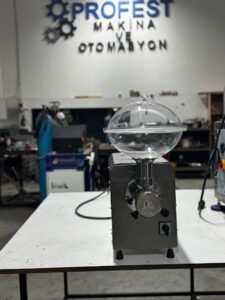

Tahini (Sesame) Grinding Machine in Turkey: A Comprehensive Guide
Tahini — the rich, creamy paste made from sesame seeds — has evolved from a humble regional specialty to a global favorite. At the heart of modern tahini production lies advanced machinery that ensures quality, efficiency, and consistency. In Turkey, one company has established itself as a leader in manufacturing robust and reliable systems for sesame processing: Profest Company for Machinery Manufacturing. This article delves into everything you need to know about tahini grinding machines in Turkey, how they work, their importance, and why Profest stands out in the industry. Whether you are a tahini producer, investor, or food technology enthusiast, read on for a detailed exploration.
Understanding Tahini and Its Global Demand
Tahini is traditionally made by grinding toasted sesame seeds into a paste. Its smooth texture and nutty flavor make it essential in Middle Eastern, Mediterranean, and increasingly Western cuisines. While home-made tahini can be simple to produce, commercial-scale production demands precise, high-powered machinery that can handle large volumes and maintain product quality.
Over the past decade, global demand for tahini has soared. Retail and foodservice sectors alike are using tahini in sauces, dressings, desserts, and innovative culinary applications. Thus, the role of a tahini grinding machine has never been more critical.
What Is a Tahini Grinding Machine?
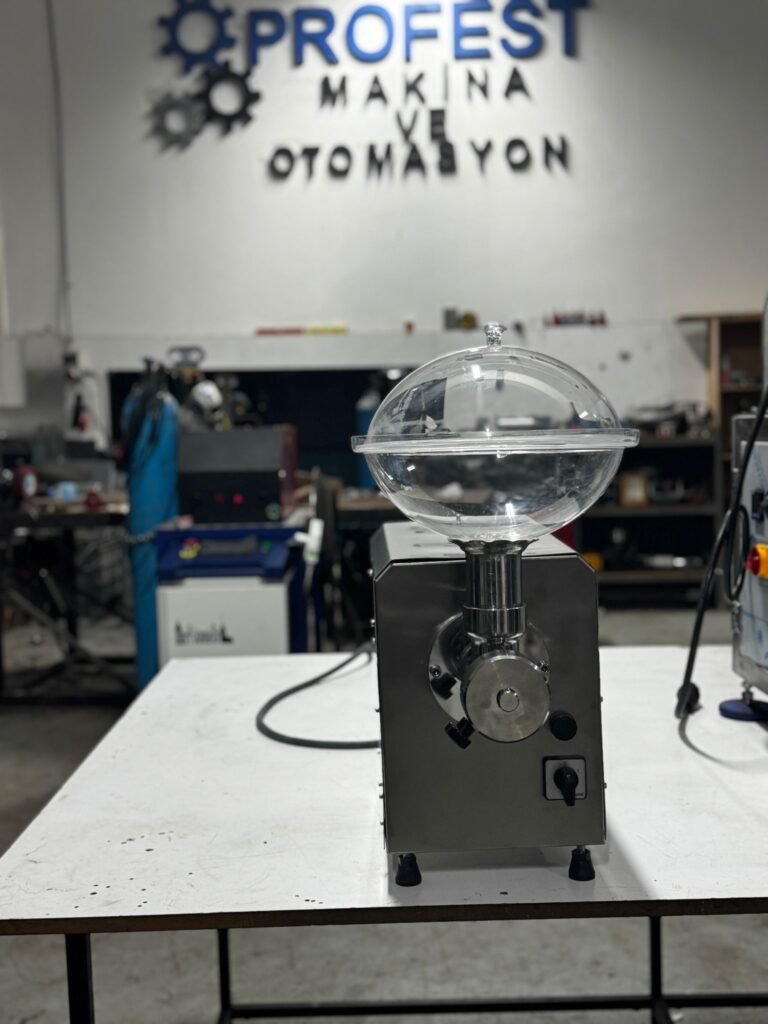
A tahini grinding machine is a specialized industrial system designed to transform sesame seeds into a smooth, homogeneous paste. On the surface, the process may appear straightforward — grind seeds until smooth — but in reality, achieving consistent tahini quality requires careful control of temperature, grinding pressure, and particle size.
Traditional stone mills were once used for grinding sesame, but these limit capacity and often deliver variable results. Modern machines, like those produced by Profest Company for Machinery Manufacturing, integrate advanced engineering to optimize yield and texture.
The Turkish Advantage in Tahini Machinery
Turkey has a long-standing cultural connection to sesame seeds and tahini. Many families have been producing tahini for generations, and that tradition has influenced the country’s engineering expertise in food machinery. Turkish manufacturers like Profest have leveraged this cultural foundation to design and build machines tailored to real production needs.
While many countries import machinery from abroad, Turkey’s domestic manufacturing capability ensures faster turnaround times for custom projects, easier maintenance support, and a strong understanding of local production challenges.
Profest Company for Machinery Manufacturing: Who They Are
Profest Company for Machinery Manufacturing is a Turkey-based producer of industrial food processing equipment, with particular expertise in tahini machinery. With years of experience in engineering, design, and customer service, Profest has built a reputation for high-quality, durable machines that serve small artisanal producers as well as large-scale industrial facilities.
Customers looking to invest in a tahini production line can explore more about the company and its machines by visiting their website at https://profest.com.tr/ar. The site provides detailed information on machine specifications, project case studies, and contact details for custom inquiries.
Core Components of a Tahini Grinding Machine
A typical tahini grinding machine includes several key components that work together to ensure efficient processing:
- Seed Cleaning System
Before any grinding begins, sesame seeds must be cleaned thoroughly. Dust, stones, husks, and other impurities can compromise both flavor and machine performance. A quality machine features pre-processing equipment like sifters, magnets, and air blowers to ensure seeds are free of contaminants.
- Roasting Unit
Roasting is a critical step that impacts tahini’s aroma and texture. While some producers roast seeds externally, many modern systems integrate a roasting chamber to deliver consistent results. Proper roast levels are essential for flavor — too little and the tahini tastes raw; too much and it becomes bitter.
- Grinding Chamber
The grinding chamber is the heart of the machine. Here, sesame seeds are crushed between rotating discs or conical mills until they form a paste. Precision engineering ensures uniform particle size and prevents overheating, which could degrade the oil in sesame seeds.
- Temperature Control System
Sesame seeds contain natural oils that are sensitive to heat. Excessive temperature during grinding can change the flavor, reduce nutritional value, and create a burnt profile. Advanced machines, such as those from Profest, have integrated temperature sensors and cooling systems to maintain ideal conditions.
- Filtration and Finishing Units
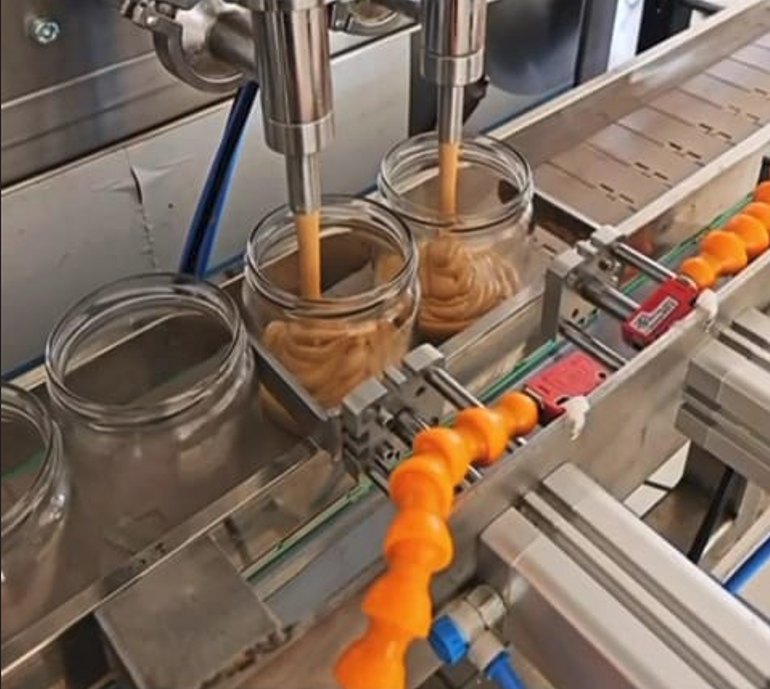
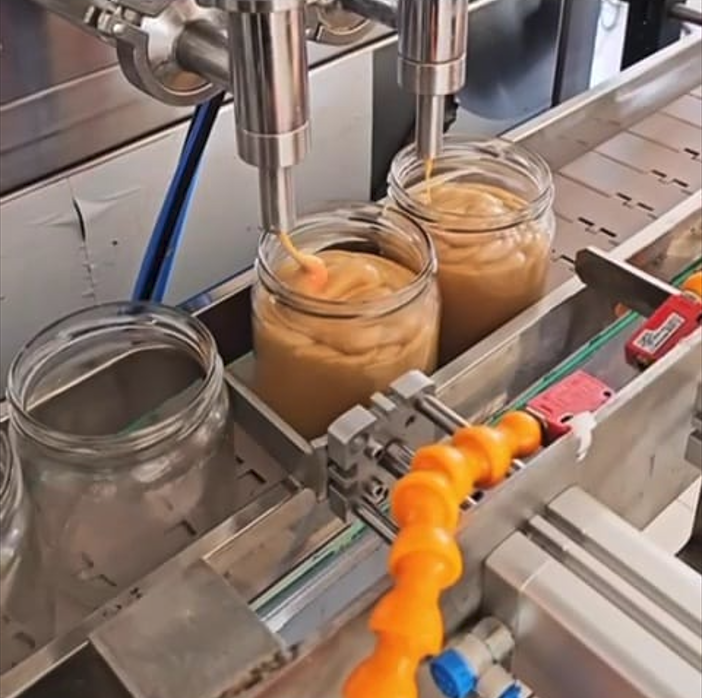
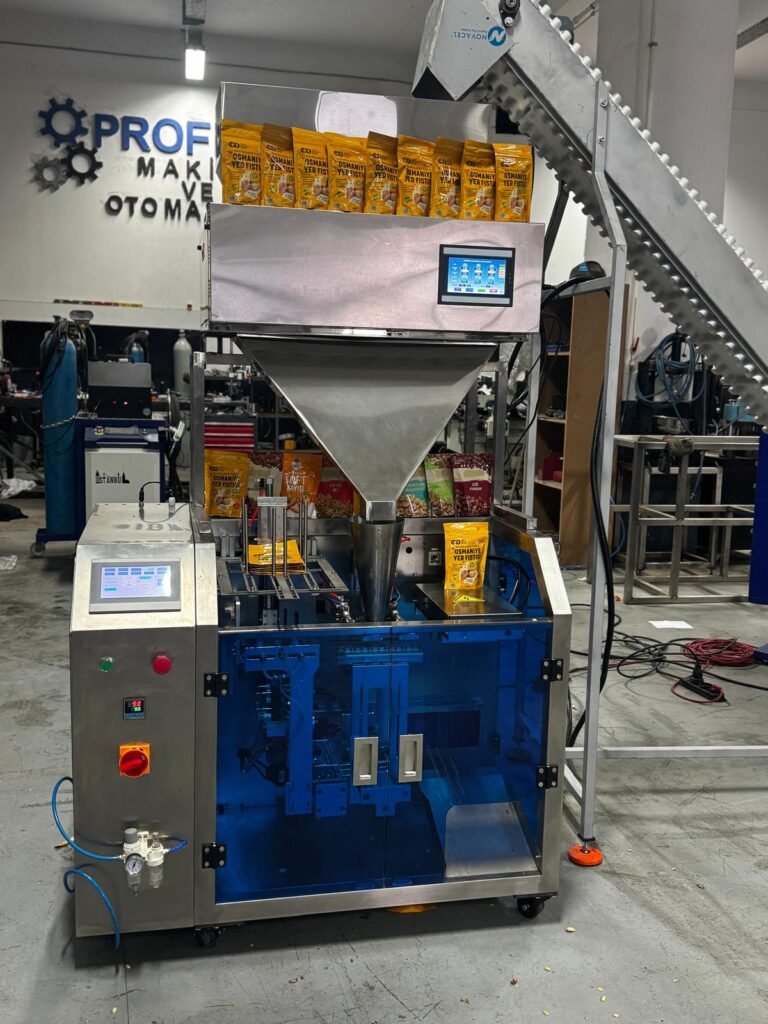
After grinding, tahini may pass through fine filters to remove any remaining large particles. This step improves smoothness and overall product quality. Some production lines also include packaging systems that prepare tahini for retail distribution.
Why Choose a Turkish Machine for Tahini Production?
Turkey’s tahini grinding machines are known worldwide for their balance of quality, affordability, and technical support. Many producers prefer local Turkish manufacturers for several reasons:
Cultural Experience
Turkey has extensive experience in sesame-based food production, and that expertise is reflected in machine design. Manufacturers understand the nuances of tahini production because they serve both local and international markets.
Competitive Pricing
While Western-manufactured machines often carry higher price tags, Turkish machines frequently offer equal performance at more competitive rates. This pricing advantage does not come at the expense of quality. Moreover, Turkish manufacturers like Profest provide value-added services, including installation support and customization.
Customization Options
Not every production line is the same. Some facilities process organic sesame varieties, others require specific output capacities, and some need integrated packaging systems. Turkish manufacturers are flexible and can offer tailored solutions based on customer requirements.
After-Sales Support
A machine is only as valuable as the support behind it. Profest Company for Machinery Manufacturing provides extensive after-sales service, ensuring that clients receive training, spare parts, and technical assistance whenever needed.
Step-by-Step Tahini Production Using Grinding Machines
For those new to tahini production, it’s helpful to understand the complete workflow involved when using modern machinery:
Step 1 — Seed Selection and Cleaning
Raw sesame seeds arrive from suppliers or storage. They are first cleaned of dust and foreign objects using sifters and air separators.
Step 2 — Roasting
Clean seeds move into the roasting unit, where they are heated at controlled temperatures to enhance flavor and oil release.
Step 3 — Grinding
Roasted seeds enter the grinding chamber. Conical or roller crushers crush the seeds, gradually refining them into a smooth paste.
Step 4 — Cooling and Quality Control
Temperature sensors ensure the paste does not overheat. Samples are taken to check texture, viscosity, and flavor.
Step 5 — Filtration
The tahini passes through a filter to remove any remaining coarse particles, producing a silky, high-quality product.
Step 6 — Packaging or Storage
Finished tahini is either packaged immediately or stored in food-grade containers for distribution.
Based on that workflow, producers can optimize each phase to maximize quality and efficiency. For example, adjusting roasting temperatures can enhance flavor profiles for different markets.
Key Benefits of Using a Modern Tahini Grinding Machine
Modern tahini grinding machines offer a range of advantages over traditional methods:
Higher Production Efficiency
Automated systems can process large volumes of sesame seeds in a shorter time. This increases output without compromising quality.
Consistent Product Quality
Precision engineering ensures uniform particle size and texture batch after batch. On the other hand, manual grinding often produces inconsistent results.
Energy Savings
Advanced motors and temperature controls reduce energy waste, making production more sustainable over the long term.
Improved Hygiene Standards
Industrial machines are designed for compliance with food safety regulations, including easy cleaning and stainless-steel construction.
Scalability
Whether you are a small artisan producer or a large industrial facility, machines can be scaled to match production needs. Likewise, integrated packaging solutions can further streamline operations.
Maintenance and Longevity
Like any industrial equipment, tahini grinding machines require regular maintenance to perform at their best. Areas to focus on include:
- Routine cleaning: Ensuring all parts are free of residue between production cycles.
- Lubrication: Moving parts should be lubricated according to manufacturer recommendations.
- Temperature system checks: Ensure that cooling systems and sensors are functioning properly.
- Wear part replacement: Grinding discs and other components may wear over time and require replacement.
Profest Company for Machinery Manufacturing provides detailed maintenance guides and support for spare parts, making it easier for producers to keep machines in top condition.
Choosing the Right Machine for Your Needs
Selecting the right tahini grinding machine depends on several factors:
Production Volume
Small producers may need a single-line system with modest capacity. Large factories may require multiple grinding units capable of continuous operation.
Budget
Upfront investment varies based on machine size and features. While cost is important, it’s critical to weigh long-term reliability and performance.
Automation Level
Some systems offer full automation, while others require more manual intervention. The choice depends on your production setup and workforce.
Customization Needs
If your tahini process has unique requirements — such as organic certification or integrated labeling — you may need a customized machine.
Profest Company for Machinery Manufacturing specializes in guiding clients through these decisions. For detailed assistance, visit their website at https://profest.com.tr/ar and explore machine catalogs and contact options.
Global Market Trends and Opportunities
Tahini’s popularity extends far beyond its traditional regions. Western markets now incorporate tahini in snacks, desserts, and plant-based products. This trend has opened new opportunities for producers willing to scale production.
Moreover, emerging markets in Asia and Africa are increasing their tahini consumption, driven by globalization and health-conscious consumers. Tahini’s nutritional profile — rich in healthy fats, protein, and antioxidants — adds to its appeal.
Thus, investing in high-quality grinding machinery today can position producers to capitalize on future demand growth.
Sustainability in Sesame Processing
Sustainability is a growing priority in food processing. Efficient machinery minimizes waste and energy consumption, and modern systems can be adapted for environmentally friendly practices.
For example, recycling heat generated during grinding or optimizing seed cleaning to reduce water usage can lower a facility’s environmental footprint. Producers committed to sustainable processing often find that investment in advanced machinery pays off not just economically, but also in brand value.
Success Stories from Turkey
Many tahini producers in Turkey have upgraded their facilities using machines from domestic manufacturers like Profest. These companies report:
- Faster production cycles
- Enhanced product texture
- Lower operational costs
- Better compliance with food safety standards
In the end, the combination of engineering, service support, and local expertise makes Turkish-made machinery a compelling option for tahini producers worldwide.
Frequently Asked Questions (FAQs)
- What is a tahini grinding machine?
A tahini grinding machine is industrial equipment designed to grind sesame seeds into a smooth, creamy paste. It includes cleaning, roasting, grinding, and filtration components.
- Why is Turkey a good place to buy tahini grinding machines?
Turkey has a long tradition of sesame processing and food machinery manufacturing. Companies like Profest Company for Machinery Manufacturing offer high-quality machines with competitive pricing, customization options, and reliable after-sales support.
- How does the roasting process affect tahini quality?
Roasting enhances flavor and oil release from sesame seeds. Proper roast levels ensure that tahini has a rich, nutty taste without bitterness. Modern machines provide controlled roasting for consistent results.
- What should I consider when choosing a machine?
Key factors include production capacity, budget, automation level, and customization needs. It’s important to balance cost with long-term efficiency and quality.
- Is maintenance difficult for tahini grinding machines?
Routine maintenance involves cleaning, lubrication of moving parts, and periodic checks of temperature systems. With proper care, modern machines are reliable and long-lasting.
- Can small producers benefit from industrial machines?
Yes — machines are available in various sizes, making them suitable for both small and large producers. Small producers can scale up gradually as their business grows.
- Where can I find more information about tahini machines by Profest?
Visit the official Profest website at https://profest.com.tr/ar to explore machine details, technical specifications, and contact information for inquiries.