

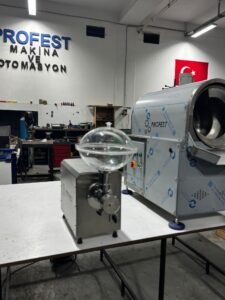

Peanut Mill in Turkey: Technology, Industry Growth, and Modern Manufacturing Solutions
Turkey has become an important hub for food processing machinery, especially in the production of equipment used to grind oilseeds such as peanuts. Peanut mills—machines designed to transform roasted peanuts into smooth peanut butter or paste—play a crucial role in food manufacturing, retail businesses, and even small entrepreneurial ventures. As demand for natural spreads and nut-based products continues to rise globally, the importance of efficient peanut milling technology has grown significantly.
In this article, we explore the peanut mill industry in Turkey, its technological foundations, applications, and how machinery manufacturers such as Profest Company for Machinery Manufacturing contribute to the advancement of modern processing equipment.
The Rising Demand for Peanut Processing in Turkey
The global market for peanut-based products has expanded rapidly over the past decade. Consumers are increasingly looking for natural foods that contain fewer additives and more plant-based protein. Peanut butter, peanut paste, and peanut-based snacks have therefore gained popularity across Europe, the Middle East, and Asia.
Turkey occupies a strategic position between these regions. While the country has a strong tradition of producing sesame paste (tahini) and hazelnut spreads, the production of peanut butter has also been growing steadily. This growth has encouraged local manufacturers to design specialized peanut mills that can produce consistent and high-quality results.
While large factories require industrial-scale production lines, many small businesses such as organic shops, cafés, and supermarkets also invest in peanut mills to produce fresh nut butter directly in front of customers. Machines designed for such purposes often process between 50 and 200 kilograms per hour, depending on the motor power and grinding system. (DT Food Machine)
Moreover, technological innovation in the Turkish machinery sector has enabled manufacturers to export peanut milling machines to many countries, supporting both small entrepreneurs and large food producers.
Understanding What a Peanut Mill Is
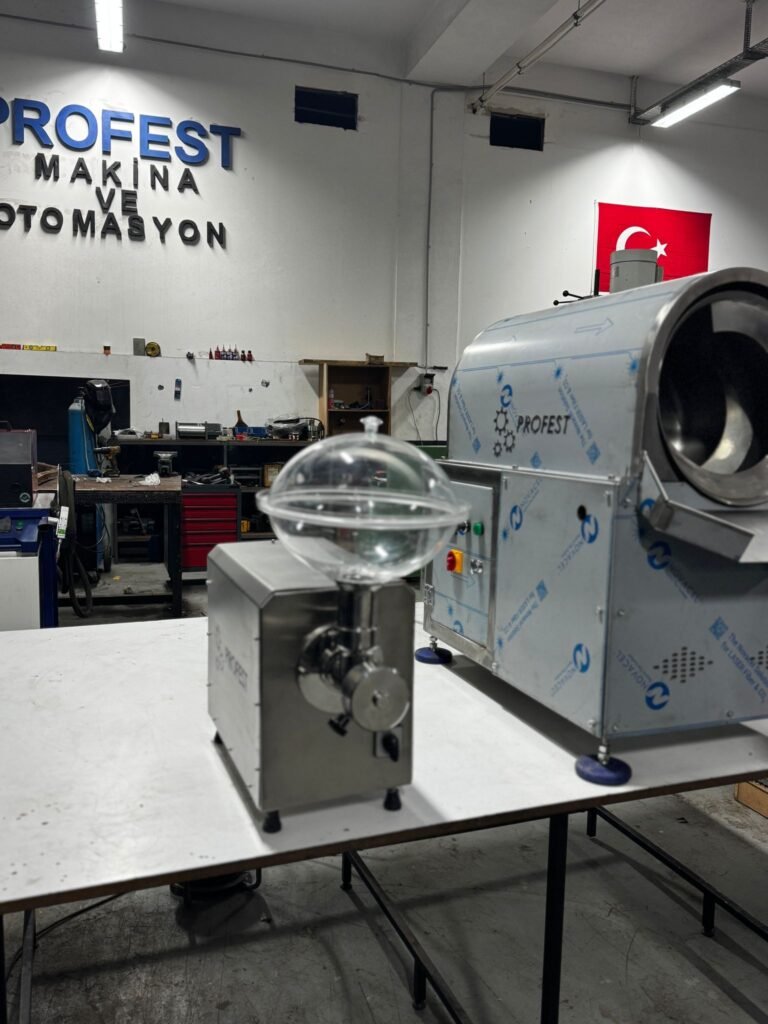
A peanut mill is a specialized grinding machine used to convert roasted peanuts into a smooth paste or butter. The machine usually relies on a colloid mill system, where a rotor and stator rotate at high speed to grind peanuts into extremely fine particles. (Taizy Machinery Co., Ltd)
The process typically involves several stages:
- Cleaning and sorting the peanuts
- Roasting to enhance flavor
- Removing the skins
- Grinding the peanuts into paste
- Mixing or packaging the final product
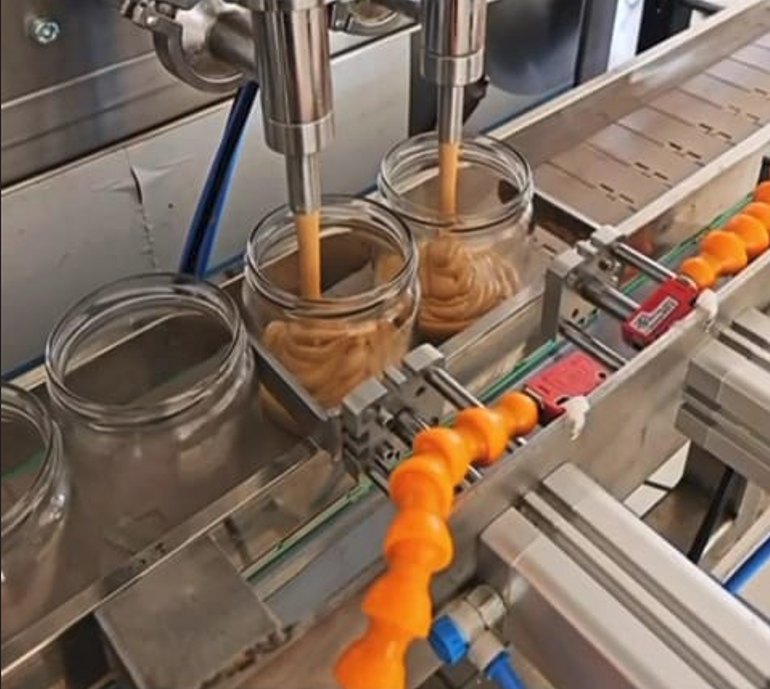
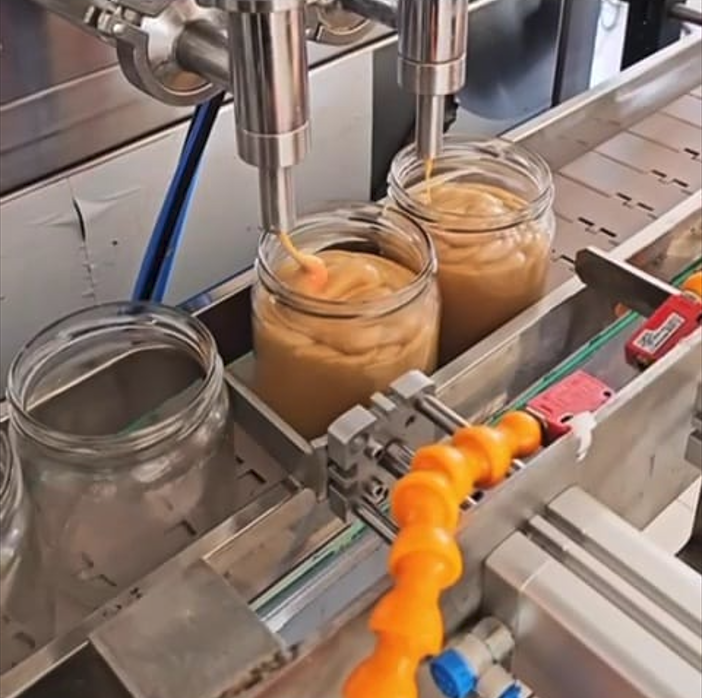
For example, in a semi-automatic peanut butter production line, roasting machines, peeling units, grinding mills, and filling systems work together to produce a smooth and hygienic product ready for sale. (Taizy Machinery Co., Ltd)
While the grinding stage is the most critical part, each stage influences the taste, texture, and shelf life of the final product.
How Peanut Milling Technology Works
The effectiveness of a peanut mill depends on several mechanical and engineering factors. The main components usually include:
- Feeding Hopper
The hopper is the upper section where roasted peanuts are poured into the machine. Gravity or mechanical feeding systems guide the peanuts into the grinding chamber.
- Grinding Chamber
Inside the chamber, the rotor and stator create high-speed friction. This mechanical action breaks down peanut particles into a smooth paste.
- Adjustable Fineness System
Operators can adjust the grinding gap between the rotor and stator to control the final texture. This feature allows manufacturers to produce either coarse peanut paste or ultra-smooth peanut butter.
- Cooling System
Continuous grinding generates heat. Some peanut mills therefore include air-cooling or water-jacket systems to maintain stable temperatures and preserve flavor.
- Discharge Outlet
The finished peanut butter flows out through a stainless-steel outlet and can then be mixed with salt, sugar, or other ingredients before packaging.
Moreover, high-quality machines can achieve particle sizes between 50 and 150 microns, creating a creamy and uniform texture ideal for commercial food production. (DT Food Machine)
Types of Peanut Mills Used in Turkey
Peanut milling equipment can be divided into several categories depending on the scale of production.
Small-Scale Peanut Mills
Small mills are designed for cafés, organic shops, and small food startups. These machines usually have compact dimensions and operate using standard electrical outlets.
For example, some commercial peanut butter machines can produce around 50 kilograms of nut butter per hour, making them suitable for retail environments. (demirbasmachine.com)
While small mills require minimal investment, they still provide high-quality grinding performance and allow businesses to produce fresh peanut butter on demand.
Medium-Scale Processing Machines
Medium-scale machines are common in food processing workshops. These systems typically have motor powers between 1.5 and 7.5 kW and can process between 10 and 200 kilograms per hour. (DT Food Machine)
Moreover, these machines are often made from food-grade stainless steel, ensuring hygiene, corrosion resistance, and durability.
Wherever consistent production quality is required, medium-scale peanut mills offer a practical balance between capacity and operational cost.
Industrial Peanut Processing Lines
Large factories require fully automated production lines capable of handling hundreds or even thousands of kilograms per hour.
These systems integrate multiple machines, including:
- Peanut roasting units
- Cooling systems
- Skin removal equipment
- Colloid grinding mills
- Mixing tanks
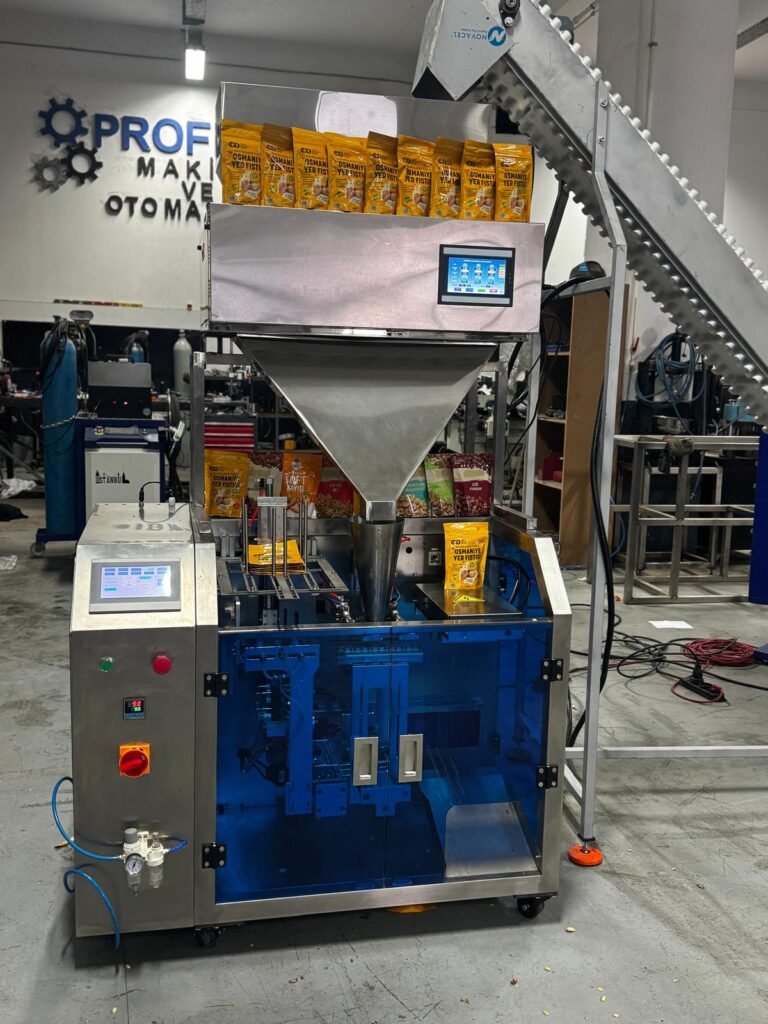
- Packaging machines
Industrial lines can exceed 1000 kilograms per hour, making them suitable for mass production and international distribution. (DT Food Machine)
On the other hand, such systems require higher capital investment and professional maintenance.
Key Features of High-Quality Peanut Mills
Manufacturers in Turkey focus on several important factors when designing peanut milling equipment.
Hygienic Materials
Food safety regulations require machines to be built from SUS304 or SUS316 stainless steel, which prevents contamination and ensures easy cleaning.
Efficient Grinding Technology
Advanced grinding systems reduce energy consumption while maintaining high production capacity.
Versatility
Many peanut mills can also process other oilseeds such as:
- Hazelnuts
- Almonds
- Cashews
- Sesame seeds
Thus, a single machine can produce multiple types of nut butter or paste.
Easy Cleaning and Maintenance
Modern machines are designed with removable parts or CIP (clean-in-place) systems, which allow operators to maintain hygiene standards quickly and efficiently.
Applications of Peanut Mills in the Food Industry
Peanut mills are used in a wide range of sectors within the food industry.
Peanut Butter Production
The most common application is the production of peanut butter for supermarkets, bakeries, and export markets.
Nut-Based Sauces
Peanut paste is used as a base ingredient in sauces and spreads used in Asian and Middle Eastern cuisines.
Health Food Manufacturing
Protein-rich peanut products are widely used in fitness nutrition, snack bars, and plant-based diets.
Organic Food Stores
Many organic stores install peanut mills so customers can grind fresh peanut butter directly in the shop.
Likewise, supermarkets increasingly use these machines as part of “fresh food stations,” allowing customers to prepare peanut butter without preservatives.
Turkey as a Hub for Food Processing Machinery
Turkey has a well-developed machinery manufacturing sector that serves the food industry. The country produces equipment for flour mills, oil presses, packaging machines, and nut processing systems.
Several factors contribute to Turkey’s strength in this field:
- Skilled mechanical engineers and technicians
- Competitive manufacturing costs
- Strategic export location between Europe and Asia
- Strong domestic demand for food processing technology
Based on that, many Turkish manufacturers export their machinery to countries in the Middle East, North Africa, and Eastern Europe.
Moreover, the Turkish food culture—rich in nuts and seeds—has encouraged continuous innovation in grinding and processing equipment.
The Role of Profest Company for Machinery Manufacturing
One of the companies contributing to this sector is Profest Company for Machinery Manufacturing. The company focuses on designing modern machinery for food processing industries, including nut grinding systems.
Profest emphasizes innovation, reliability, and industrial performance in its equipment. Its machines are designed to meet the needs of both small businesses and large food manufacturers.
While some companies focus only on domestic markets, Profest aims to reach international clients through advanced manufacturing standards and export-oriented production.
Moreover, the company integrates modern engineering techniques to ensure that peanut mills provide:
- Consistent grinding results
- Long operational life
- High production efficiency
- Easy maintenance
Wherever food manufacturers require reliable nut-processing equipment, companies like Profest provide solutions that support efficient production.
Visitors interested in learning more about the company’s machines and services can explore the official website through this link:
Also, the website provides detailed information about machinery specifications, production technologies, and industrial applications.
Choosing the Right Peanut Mill for Your Business
Selecting the right peanut mill depends on several factors.
Production Capacity
Businesses must estimate their daily production needs before purchasing equipment.
For example:
- Small shops: 10–50 kg/hour
- Medium workshops: 50–200 kg/hour
- Industrial plants: 200–1000+ kg/hour
Machine Material
Food-grade stainless steel is essential for hygiene and long-term durability.
Grinding Quality
Machines should offer adjustable grinding fineness to produce different textures.
Energy Consumption
Energy-efficient motors reduce operational costs.
After-Sales Support
Reliable technical support and spare parts availability are crucial for long-term operation.
Thus, businesses should carefully evaluate these factors before investing in peanut milling equipment.
Future Trends in Peanut Milling Technology
The peanut processing industry continues to evolve with new technological innovations.
Automation
Advanced control systems allow factories to automate roasting, grinding, and packaging processes.
Energy Efficiency
Manufacturers are developing machines that reduce power consumption while maintaining productivity.
Smart Monitoring Systems
Some modern machines include sensors that monitor temperature, grinding pressure, and motor performance.
Sustainable Production
Companies are increasingly focusing on environmentally friendly manufacturing processes.
In the end, these technological improvements will make peanut milling more efficient, sustainable, and accessible for businesses worldwide.
Frequently Asked Questions (FAQs)
- What is a peanut mill?
A peanut mill is a machine used to grind roasted peanuts into peanut butter or paste. It usually uses a high-speed grinding mechanism such as a colloid mill to create a smooth texture.
- What capacity do peanut mills typically have?
Peanut mills range from small units producing around 10–50 kg per hour to large industrial machines capable of processing 1000 kg or more per hour, depending on the machine design.
- Can peanut mills process other nuts?
Yes. Most peanut mills can also grind almonds, hazelnuts, cashews, and sesame seeds, allowing manufacturers to produce different types of nut butter.
- Are peanut mills suitable for small businesses?
Absolutely. Many small and medium-sized peanut mills are designed specifically for cafés, organic shops, and small food producers.
- What materials are used to build peanut mills?
Most high-quality machines are made from food-grade stainless steel, which ensures hygiene, durability, and corrosion resistance.
- How does a peanut mill maintain product quality?
Modern peanut mills control grinding pressure and temperature to preserve flavor, nutrients, and texture during the grinding process.
- Where can I learn more about peanut milling machines?
You can visit the official website of Profest Company for Machinery Manufacturing to explore their machinery solutions and technical details: