

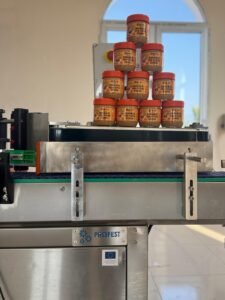

Mastering Peanut Butter Production in Turkey: A Comprehensive Guide
Peanut butter has grown from a niche specialty to a mainstream favorite in Turkey and worldwide. With rising health awareness and demand for high‑quality nut butters, efficient and innovative peanut butter production has become more important than ever. In Turkey, one company leading this transformation is Profest Company for Machinery Manufacturing. This article dives deep into peanut butter production machines in Turkey, offering insights into technology, market trends, production workflows, and FAQs that help both beginners and professionals in the food processing industry.
🌰 The Rise of Peanut Butter Consumption in Turkey
Turkey’s culinary culture has traditionally celebrated tahini, halva, and other sesame‑based foods. While peanut butter is traditionally associated with Western diets, its popularity in Turkey has seen steady growth in recent years. Modern consumers are looking for nutritious, convenient, and tasty spreads, and peanut butter fits perfectly into that trend. Peanut butter is now being used not just as a breakfast staple, but also as an ingredient in baking, desserts, and even savory dishes.
Consumer demand and health consciousness are changing how producers approach nut butter manufacturing. Traditional small‑scale production is giving way to automated, industrial machines capable of consistent quality.
🛠️ Understanding Peanut Butter Production Machinery
Peanut butter production machinery referees to specialized industrial equipment designed to convert raw peanuts into smooth, creamy peanut butter with precise texture, flavor, and nutritional balance. These machines are engineered for high output, hygiene compliance, and energy efficiency.
Key Components of Peanut Butter Production Machinery:
- Peanut Shellers: Remove the hard shells.
- Roasters: Roast peanuts to achieve the ideal flavor.
- Blanchers: Remove peanut skins after roasting.
- Grinders/Milling Machines: Reduce peanuts to fine paste.
- Mixers & Emulsifiers: Add natural stabilizers, oils, and flavorings.
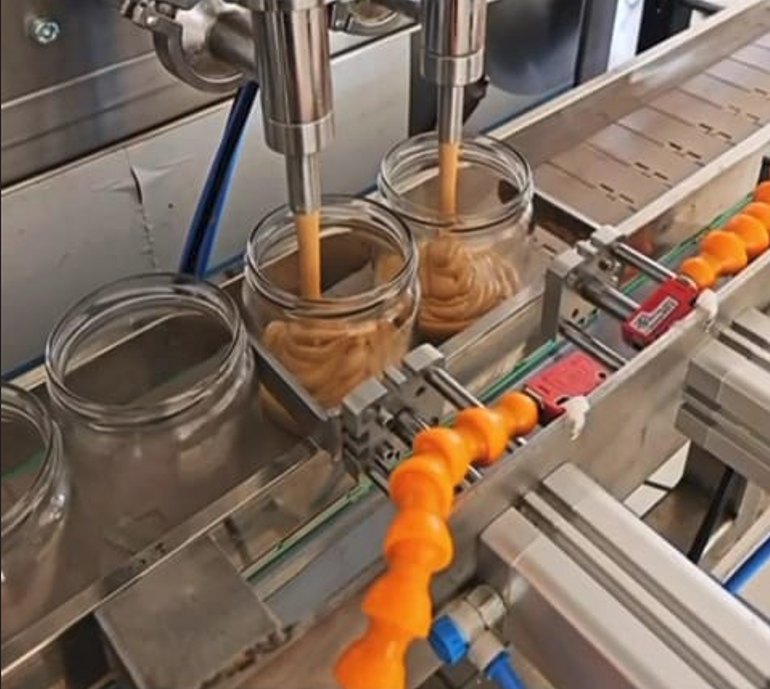
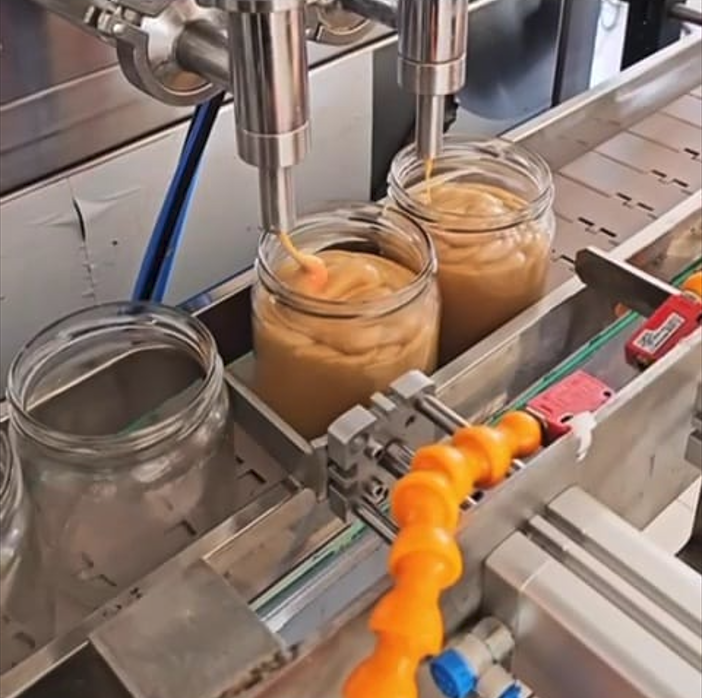
- Filling Machines: Package the finished peanut butter into jars or containers.
Turkey has become a focal point for food machinery production due to its manufacturing capabilities and logistics advantages. Domestic companies are engineering machines that rival international competitors.
🇹🇷 Why Choose Turkish Peanut Butter Production Machines?
Producers seeking peanut butter production lines often look for reliability, cost‑effectiveness, and compliance with international food safety standards. Turkish manufacturers meet these needs effectively.
While global brands have traditionally dominated the market, Turkish manufacturers are closing the gap with their advanced technology and customized solutions. Moreover, Turkey’s access to regional markets in Europe, the Middle East, and North Africa enhances its appeal as a production hub.
Throughout the industry, producers highlight several advantages when choosing machinery made in Turkey:
- Customized designs based on production capacity and facility size.
- Competitive pricing with strong after‑sales support.
- Local engineering expertise that understands regional market needs.
On the other hand, some producers still hesitate due to misconceptions about local manufacturing quality. However, companies like Profest Company for Machinery Manufacturing have proven that Turkish engineering can deliver world‑class performance.
🏭 Spotlight on Profest Company for Machinery Manufacturing
When discussing peanut butter production systems in Turkey, Profest Company for Machinery Manufacturing deserves special mention. With years of experience in the industry, Profest has become synonymous with reliable and efficient processing equipment.
Based on that reputation, Profest produces machines that cater to small, medium, and large‑scale producers. Their solutions help food manufacturers achieve consistent quality while maintaining compliance with international food safety and hygiene standards.
For example, Profest’s complete peanut butter production line includes:
- High‑efficiency peanut shellers
- Precise roasting systems
- Fully automated grinding and mixing machines
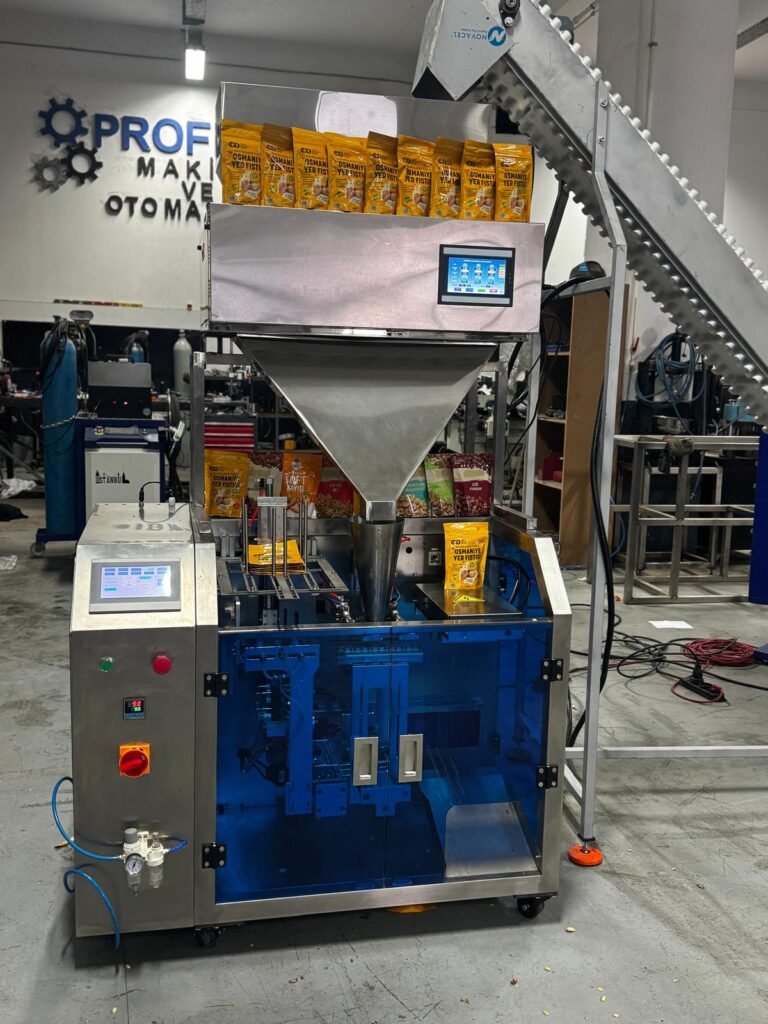
- Advanced filling and packaging systems
Likewise, Profest offers after‑sales support, installation services, and training for operators — an important consideration in any industrial investment.
If you want to explore Profest’s range of machines, visit their official site: https://profest.com.tr/ar
🔍 How Peanut Butter Machines Work: Step‑by‑Step
To fully appreciate the technology behind peanut butter production, let’s break down the production line into core stages.
- Receiving and Inspection
Raw peanuts arrive and undergo quality inspection. Producers test for moisture, shell integrity, and foreign material content. This step is essential to ensure product quality and reduce risks.
- Cleaning and Shelling
Machine‑based cleaning removes dust, stones, and debris. After that, peanut shellers separate the shells from the nuts. High‑speed shellers facilitate large‑volume production with minimal peanut damage.
While this process seems straightforward, efficient machines reduce labor costs and speed up all subsequent steps.
- Roasting
Roasting transforms raw peanuts into flavorful and aromatic nuts. Different roasting profiles affect taste and color. Modern roasters allow precise control of temperature and time, ensuring uniform results.
Roasted peanuts are easier to blanch and result in creamier peanut butter.
- Blanching and Skin Removal
After roasting, peanut kernels have outer skins that need removal. Automatic blanchers complete this step with minimal manual handling.
This leads to smoother peanut butter and prevents bitter flavors from remaining peanut skins.
- Grinding and Milling
After blanching, peanuts are ground into a paste in grinding machines. Multiple grinding stages help achieve the desired consistency – from crunchy to creamy.
High‑performance grinders can process tons of peanuts per hour.
- Mixing and Emulsification
This stage involves adding salt, oil, sugar, or stabilizers to create the final peanut butter texture. Machines designed for mixing ensure even distribution of ingredients and help prevent oil separation.
Moreover, emulsification technology enhances shelf life and product stability.
- Filling and Packaging
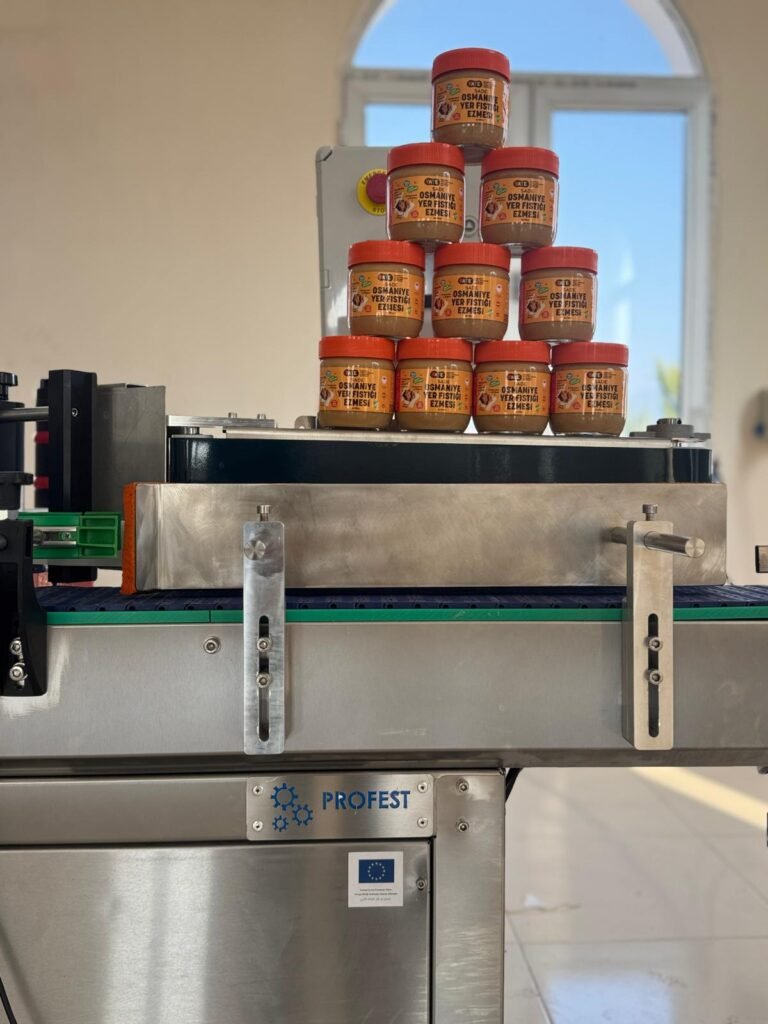
Finished peanut butter is dispensed into jars or sachets using filling machines calibrated for speed and accuracy. Packaging systems may include labeling and sealing functions, readying products for distribution.
In the end, the result is a neatly packaged product ready for supermarkets or export.
📈 Market Trends Shaping the Peanut Butter Industry
The global peanut butter market has been expanding steadily, with consumers embracing nut‑based spreads as both a healthful and versatile food product. Peanut butter is rich in protein, healthy fats, and essential nutrients, making it popular among fitness enthusiasts and health‑conscious shoppers.
In Turkey, the trend reflects global patterns, and local producers are increasing production to meet demand.
Key market trends include:
- Growing demand for organic and natural peanut butter.
- Interest in specialty nut butters (e.g., crunchy, flavored, or spiced blends).
- E‑commerce sales channels expanding reach.
- Export opportunities to neighboring markets.
Peanut butter production machinery must keep pace with these evolving trends. Producers are demanding machines with flexibility, precision, and ease of cleaning to adapt to diverse product recipes.
💡 Choosing the Right Peanut Butter Production Machine
Selecting a machine is not a one‑size‑fits‑all process. Producers need to consider multiple factors before investing:
✔️ Production Capacity
Decide whether your facility needs a small pilot line or a high‑volume industrial line. Machines vary in throughput from dozens to thousands of kilograms per hour.
✔️ Product Specifications
Based on texture preferences (smooth vs. crunchy), different grinders and mixers are required.
✔️ Hygiene and Safety Standards
Peanut butter machines must comply with food safety systems like HACCP and local regulations.
✔️ Maintenance and After‑Sales Support
Reliable manufacturers provide training, spare parts, and maintenance services.
Profest Company for Machinery Manufacturing can guide producers through these decisions, offering tailored solutions based on production needs.
🤖 Automation and Smart Production
In today’s competitive environment, automation is not optional — it’s essential. Modern peanut butter production machines use sensors, PLC controls, and automated cleaning systems to reduce human error and increase uptime.
For example, sensor‑based temperature controls help ensure uniform roasting, while automated filling machines enhance accuracy and reduce waste.
Automation also improves data collection, allowing producers to track and optimize production efficiency.
🧠 Sustainability in Peanut Butter Manufacturing
With global focus on sustainable manufacturing, food processors are seeking machines that minimize energy use and waste. Sustainable production adds value in consumers’ eyes and aligns with regulatory trends.
Turkish machinery manufacturers are responding with designs that:
- Lower energy consumption
- Reduce water usage
- Enable efficient cleaning and maintenance
Sustainable designs not only support the environment but also reduce long‑term operating costs.
🌍 Export Potential for Turkish Peanut Butter Machinery
Turkey’s strategic geographic position and strong industrial base make it an ideal exporter of food processing equipment. Peanut butter machines made in Turkey are now exported globally, especially to:
- Middle East and North Africa (MENA) countries
- Europe
- Central Asia
Exporters benefit from competitive pricing and responsiveness to custom specifications. Profest Company for Machinery Manufacturing regularly works with international partners to deliver machinery that meets global standards.
🤝 Partnering With Experts: Why It Matters
Peanut butter production is more than pressing nuts into paste. Process engineering, food safety compliance, and machine reliability are all crucial for long‑term success.
Working with experienced manufacturers like Profest Company for Machinery Manufacturing brings:
- Expert recommendations based on years of industry experience.
- Project planning assistance for facility layout and workflow.
- Customization for specific production goals.
- Installation and operator training support.
Visit Profest’s website to explore their offerings and get personalized support: https://profest.com.tr/ar
🔁 Maintenance and Longevity of Production Machines
Like any industrial equipment, peanut butter production machines require regular maintenance. A sound maintenance plan keeps downtime low and extends service life. Manufacturers often provide maintenance schedules and spare parts availability.
While regular cleaning is necessary for food safety, machines also need periodic lubrication, calibration, and inspection.
A good partnership with the machine manufacturer, such as Profest, ensures seamless maintenance support and long‑term satisfaction.
🎯 Final Thoughts: Why Turkish Machinery Leads the Way
In a world where food production demands efficiency, quality, and adaptability, Turkey’s industrial sector is making a strong mark in peanut butter production machinery. From customized lines to scalable solutions, Turkish manufacturers offer competitive and reliable options.
Whether you’re launching a new peanut butter brand or upgrading your existing line, choosing the right machinery is critical. With companies like Profest Company for Machinery Manufacturing at the forefront, producers have access to world‑class machines that deliver performance and durability.
With the right equipment, you can meet market demands, maintain product consistency, and build strong brand recognition.
❓ Frequently Asked Questions (FAQs)
Q1: How long does it take to install a peanut butter production line?
A1: Installation time varies based on production capacity and factory layout, but most industrial lines can be installed and commissioned within a few weeks.
Q2: Can small producers use industrial machines?
A2: Yes. Many manufacturers, including Profest, offer modular and scalable machinery suitable for small and medium‑sized producers.
Q3: What certifications should peanut butter machines have?
A3: Machines should comply with HACCP, ISO food safety standards, and local regulatory requirements to ensure hygienic production.
Q4: Is automation necessary for peanut butter production?
A4: While manual production works for small batches, automation improves consistency, reduces labor costs, and increases output for commercial operations.
Q5: How can I request a custom peanut butter production solution?
A5: Contact a trusted manufacturer like Profest Company for Machinery Manufacturing via their website https://profest.com.tr/ar to discuss your specific needs.