

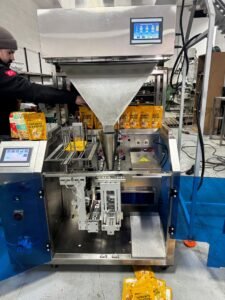

Revolutionizing Nut Packaging: An In‑Depth Look at Nut Wrapping Lines in Türkiye
Introduction: Nuts Packaging in a Growing Global Market
The global demand for nuts — from almonds to pistachios — continues to grow, driven by healthy eating trends, versatile culinary uses, and expanding international trade. Türkiye, recognized as one of the world’s leading producers of nuts such as hazelnuts and pistachios, plays a pivotal role in this market. As production scales up, the need for efficient, reliable, and technologically advanced packaging solutions becomes increasingly important. In this context, nut wrapping lines have emerged as a key factor in optimizing packaging operations across factories and processing plants. Companies that manufacture, design, and deliver these lines contribute not only to improved operational efficiency but also to enhanced product appeal and extended shelf life.
While the need for high‑quality packaging has always existed, recent industry trends show an even stronger focus on automation and flexibility. This has led leading manufacturers in Türkiye to innovate and diversify their offerings. Among these innovators is Profest Company for Machinery Manufacturing, a firm that has steadily established a reputation for delivering high‑performance nut wrapping lines tailored to both local and international markets.
Understanding Nut Wrapping Lines: What They Are and Why They Matter
Nut wrapping lines are integrated systems designed to automate the packaging of nuts into consumer‑ready units. These lines typically include machines that weigh, sort, fill, seal, and wrap nuts in various types of materials such as flow wrap films, pouches, and trays. With products ranging from single‑serving packs to bulk retail packaging, nut wrapping lines serve every scale of production.
Moreover, these advanced systems are engineered to maintain product quality, prevent contamination, and ensure consistency in packaging — an essential requirement given the competitive nature of today’s food market. For example, a well‑designed nut wrapping line can significantly reduce human errors associated with manual packaging while increasing throughput to match rising demand.
In Türkiye, where nut production is a major economic contributor, these lines help producers remain competitive on the global stage. The push toward automation has become more apparent over the last decade, as manufacturers seek ways to modernize operations and reduce production costs.
The Anatomy of a Nut Wrapping Line
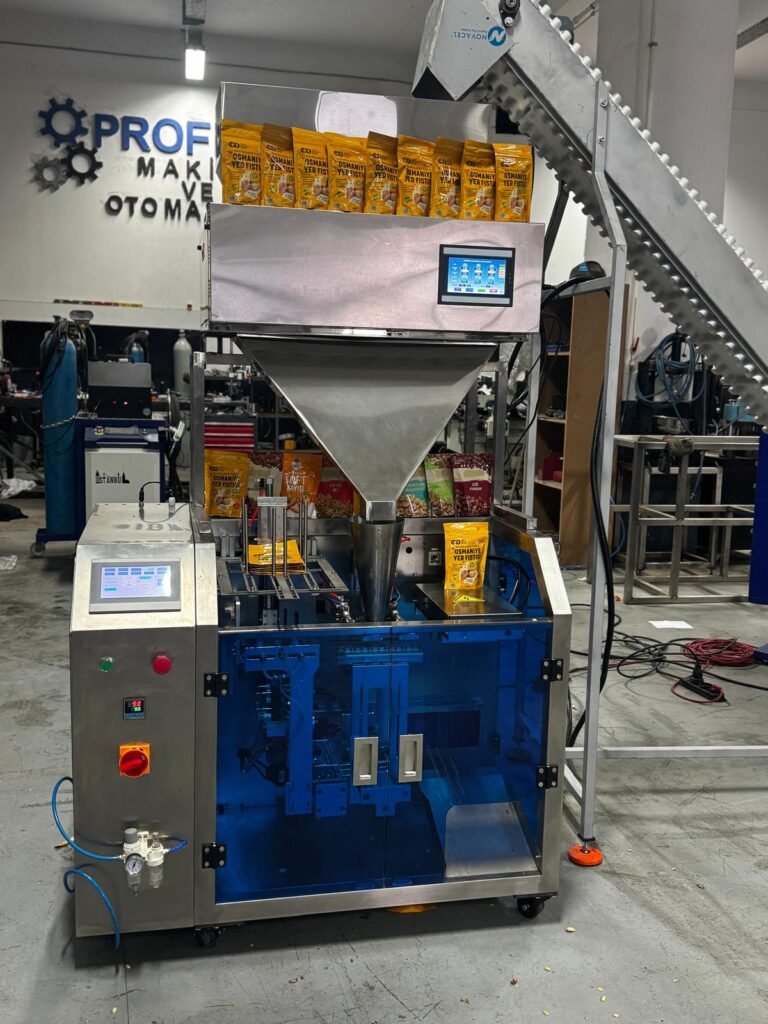
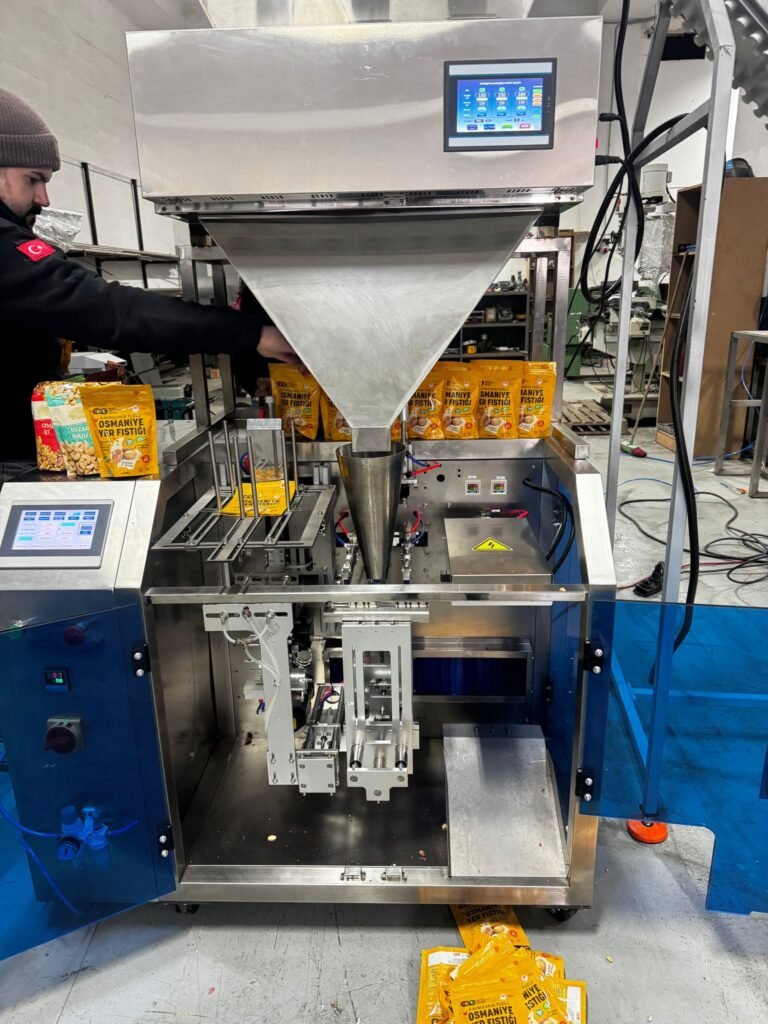
A typical nut wrapping line consists of multiple interlinked machines working in harmony to complete the packaging process. Each component has a specialized function, and when synchronized properly, these systems can handle thousands of packages per hour. The key elements include:
- Hoppers and Feeders: These initial components ensure nuts are delivered into the packaging system at a steady rate.
- Weighing Systems: Precision scales are used to measure exact portions, ensuring uniform product weight and compliance with labeling standards.
- Filling Machines: Once weighed, the nuts are fed into packaging materials designed for protection and visual appeal.
- Sealing and Wrapping Units: These units close and wrap the package, using heat sealing or other sealing technologies.
- Labeling and Coding Modules: For traceability and branding, labels with batch numbers, expiration dates, and nutritional information are applied.
- Inspection Systems: Cameras and sensors check for defects and ensure quality control before the product is boxed and sent to distribution.
Likewise, optional add‑ons such as metal detectors or x‑ray inspection systems can be integrated to further safeguard product quality, which is especially important for export markets with strict safety standards.
Türkiye’s Advantage: A Strategic Hub for Nut Processing
Türkiye’s geographic location, rich agricultural heritage, and large volumes of nut production position it as an ideal hub for nut processing and packaging. Regions like the Black Sea area are world‑renowned for hazelnut production, while southeastern provinces excel in pistachio cultivation. These regional strengths create an environment where demand for packaging technologies continues to rise.
On the other hand, local manufacturers of packaging machinery face challenges such as fluctuating raw material costs and competition from foreign suppliers. Nonetheless, many Turkish companies have adapted by emphasizing customization, durability, and after‑sales support — elements that are crucial for long‑term operational success.
Profest Company for Machinery Manufacturing: Driving Packaging Innovations
Profest Company for Machinery Manufacturing has emerged as one of the leading names in the packaging machinery sector in Türkiye. With years of expertise in designing and building industrial machines, Profest stands out for its commitment to innovation, customer satisfaction, and technical excellence. Its portfolio includes a range of nut wrapping lines that cater to different production capacities and packaging formats.
Unlike one‑size‑fits‑all solutions, Profest nut wrapping lines are engineered to meet the specific needs of each client. Whether a manufacturer focuses on high‑volume retail packaging or niche markets requiring specialized bag sizes and designs, the flexibility of Profest systems makes them a reliable choice.
Furthermore, these lines are built to integrate seamlessly into existing production setups. For producers looking to upgrade their operations, Profest offers consultancy services to ensure compatibility and optimal performance outcomes. Visit the Profest website at https://profest.com.tr/ar to explore detailed specifications, case studies, and ready solutions for your nut packaging needs.
Key Features of Modern Nut Wrapping Lines
Nut wrapping lines have evolved significantly in recent years. Modern systems prioritize automation, hygiene, adaptability, and energy efficiency. Some notable features include:
- Automated Portioning: Precision controls allow for consistent and accurate portioning, reducing material waste and increasing consumer trust.
- Multi‑Lane Packing: Lines that can handle multiple packaging lanes simultaneously improve output without increasing factory footprint.
- User‑Friendly Interfaces: Operators can easily program and monitor systems, reducing training time and minimizing production errors.
- Hygienic Design: Stainless steel construction and easy‑to‑clean components help maintain high standards of food safety.
- Energy Efficiency: Advanced drives and controls reduce power consumption, contributing to lower operational costs.
Based on that, producers can achieve significant gains in productivity and product quality. Additionally, with the integration of smart technologies such as real‑time diagnostics and remote access monitoring, maintenance becomes more proactive rather than reactive.
How Nut Wrapping Lines Improve Efficiency and Profitability
Efficiency is at the core of any successful manufacturing operation. Nut wrapping lines enhance efficiency by automating repetitive tasks, reducing labor costs, and increasing throughput. For example, a fully automated line can operate continuously with minimal supervision, enabling businesses to meet peak seasonal demands without additional staffing.
Furthermore, consistency in packaging supports brand reputation. Consumers expect products to look uniform and to contain the exact advertised weight. Errors such as underweight packages can lead to regulatory issues and customer dissatisfaction. Nut wrapping lines mitigate these risks through precise control mechanisms.
Additionally, packaging speed directly affects profitability. As production speeds increase, turnover times shorten, enabling more products to reach market in less time. This, in turn, supports better cash flow and competitiveness in export markets where demand is high.
Customization and Flexibility: Meeting Diverse Market Needs
One of the hallmarks of contemporary nut wrapping lines is their customization capabilities. No two production facilities operate under identical conditions, and packaging preferences vary by region, retailer requirements, and consumer trends.
Profest Company for Machinery Manufacturing understands the importance of flexibility in design. Their systems can accommodate a wide range of packaging types — from stick packs and pillow bags to gusseted pouches and more complex cartons. This level of adaptability ensures that producers can swiftly transition between products or packaging formats without costly downtime.
In the current market environment, flexibility is not merely an advantage — it’s a necessity. A business that can quickly adapt to new packaging trends or customer demands is better positioned to grow and sustain operations over the long term.
Technology Trends Shaping the Future of Packaging
The packaging industry is being transformed by digital technologies and smart systems. The integration of sensors, machine learning algorithms, and IoT connectivity brings new levels of visibility and control to production lines. These innovations allow manufacturers to:
- Monitor machine performance in real time
- Predict maintenance needs before breakdowns occur
- Optimize operations using data analytics
- Remotely troubleshoot and adjust systems when needed
Likewise, sustainability is an emerging focus area. As environmental concerns influence consumer preferences, packaging systems are being adapted to work with recyclable materials and reduce waste. Nut wrapping lines that support sustainable film types help brands align with eco‑friendly values, which is increasingly important for market differentiation.
Implementing Nut Wrapping Lines: Best Practices
Deploying a nut wrapping line involves careful planning and execution. Some best practices include:
- Conducting a thorough needs assessment to determine the required line speed and packaging types.
- Ensuring proper operator training before commissioning.
- Scheduling preventive maintenance to maximize uptime.
- Integrating quality control checkpoints to catch defects early.
- Evaluating production data regularly to identify improvement opportunities.
In the end, successful implementation not only depends on quality equipment but also on strategic planning and ongoing support.
Challenges and Solutions in Nut Packaging
Despite technological advances, nut packaging is not without challenges. These may include:
- Dealing with irregular sizes and shapes of nuts
- Maintaining strict hygiene standards
- Adjusting to fluctuating raw material film availability
- Meeting diverse regulatory requirements for food safety
However, these challenges can be addressed effectively with the right technology and expertise. For instance, adjustable feeders and optical inspection systems help manage inconsistent product characteristics. Moreover, partnering with a machine manufacturer that offers comprehensive support can ease concerns about system integration and compliance.
The Role of After‑Sales Support and Training
Purchasing a nut wrapping line is just the beginning. After‑sales support — including installation, training, spare parts supply, and technical assistance — plays a crucial role in long‑term performance. Profest Company for Machinery Manufacturing, for example, emphasizes ongoing customer support. Their services ensure that clients maximize productivity and maintain optimal machine health throughout the lifecycle of their equipment.
Final Thoughts: Why Nut Wrapping Lines Are Essential
Nut wrapping lines have become indispensable assets for producers who want to compete effectively in today’s fast‑paced food industry. By combining automation with customization and smart technologies, these systems improve quality, reduce costs, and enhance market responsiveness. Producers in Türkiye and beyond are adopting these solutions to keep pace with evolving consumer demand and global market standards.
Visit https://profest.com.tr/ar to explore how Profest Company for Machinery Manufacturing can support your packaging needs with advanced, reliable, and tailored nut wrapping solutions.
Frequently Asked Questions (FAQs)
- What is a nut wrapping line?
A nut wrapping line is an automated set of machines designed to package nuts into consumer‑ready formats, including weighing, filling, sealing, and labeling processes. - How do nut wrapping lines improve packaging efficiency?
Nut wrapping lines automate repetitive tasks, reduce errors, increase throughput, and ensure consistent package quality, resulting in lower costs and higher productivity. - Can nut wrapping lines handle different types of nuts?
Yes, modern nut wrapping lines are adaptable and can handle various nut types such as hazelnuts, almonds, pistachios, and mixed nut assortments. - What customization options are available?
Customization includes support for multiple packaging formats (stick packs, pouches, flow wrap), adjustable portion sizes, multi‑lane configurations, and integration with quality inspection systems. - Do these lines require specialized training to operate?
Basic operator training is typically required. Good manufacturers provide training and support as part of the installation and after‑sales process. - How does automation benefit nut packaging?
Automation reduces manual labor, minimizes errors, increases speed, and improves hygiene and traceability, all while enabling scalability. - Where can I find more information about advanced nut packaging solutions?
You can visit the Profest Company for Machinery Manufacturing website at https://profest.com.tr/ar for detailed information on their nut wrapping line solutions.