

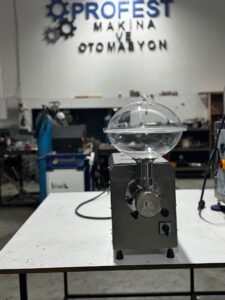

Nut Mill in Turkey: Technology, Industry, and Modern Processing Solutions
Turkey is one of the leading countries in the world when it comes to nut production and processing. From hazelnuts and pistachios to almonds and walnuts, the country plays a vital role in supplying global markets with high-quality nuts. As demand continues to grow both locally and internationally, the need for efficient nut milling and processing technologies has become increasingly important.
Modern nut mills in Turkey combine traditional agricultural expertise with advanced industrial machinery to ensure quality, efficiency, and consistent output. Companies such as Profest Company for Machinery Manufacturing have become key contributors to this technological progress by providing specialized equipment that supports the nut processing industry.
This article explores the importance of nut mills in Turkey, the technologies involved, the role of machinery manufacturers, and how businesses can benefit from modern nut milling systems.
The Importance of the Nut Industry in Turkey
Turkey’s climate and geography make it ideal for cultivating many types of nuts. The country is globally recognized for its hazelnut production and is also a major producer of pistachios, almonds, and walnuts.
While agriculture remains the foundation of the sector, processing plays an equally important role. Nut milling allows producers to transform raw nuts into various value-added products such as:
- Nut pastes
- Nut flours
- Nut butter
- Confectionery ingredients
- Bakery additives
While raw nuts are widely traded, processed products often command higher market value. Thus, efficient nut mills help businesses increase profitability and expand into new markets.
Moreover, advanced processing systems ensure consistency, hygiene, and compliance with international food safety standards.
What Is a Nut Mill?
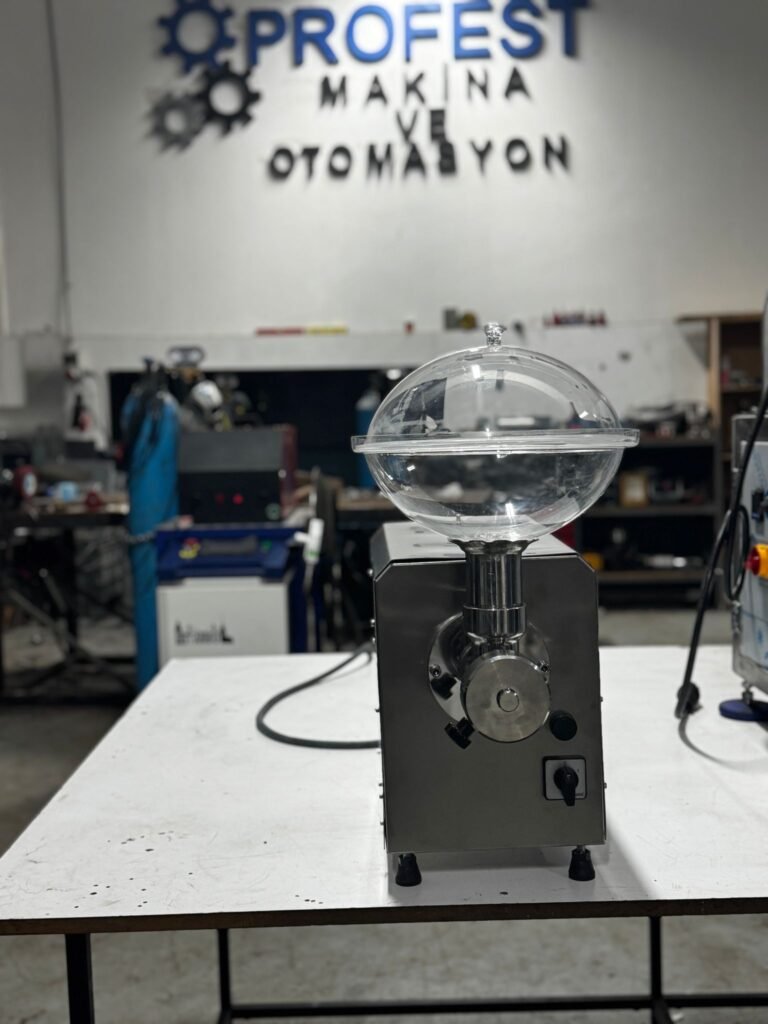
A nut mill is an industrial machine or processing line designed to grind, crush, or refine nuts into different forms depending on the intended use.
The milling process typically involves several stages:
- Cleaning the nuts
- Roasting (optional depending on the product)
- Crushing or grinding
- Refining the texture
- Packaging or further processing
Wherever nut processing occurs—whether in small workshops or large factories—nut mills play a central role in converting raw agricultural products into consumable ingredients.
For example, a hazelnut mill may produce hazelnut paste used in chocolate manufacturing, while an almond mill might create fine almond flour for bakery applications.
Types of Nuts Commonly Processed in Turkey
Turkey processes a wide variety of nuts, each requiring slightly different milling techniques.
Hazelnuts
Hazelnuts are Turkey’s most famous nut product. They are used extensively in chocolate spreads, pralines, pastries, and desserts.
While hazelnut milling often focuses on producing paste or butter, it can also involve creating finely ground powder used in confectionery.
Pistachios
Pistachios are particularly popular in Turkish desserts such as baklava. Pistachio milling creates powders and pastes used in sweets, ice cream, and gourmet food production.
Moreover, pistachio paste is increasingly exported to international markets.
Almonds
Almonds are widely processed into flour and butter. Almond flour has become especially popular in gluten-free baking.
Likewise, almond butter and almond paste are commonly used in both culinary and cosmetic industries.
Walnuts
Walnuts are typically crushed or ground for use in bakery fillings, sauces, and spreads.
Wherever walnut production exists, specialized milling equipment ensures consistent particle size and flavor preservation.
The Role of Industrial Machinery in Nut Milling
The quality of a nut milling operation depends heavily on the machinery used. Modern nut mills are designed to maximize productivity while maintaining the natural characteristics of the nuts.
Advanced machines offer features such as:
- Temperature control during grinding
- Adjustable particle size
- High production capacity
- Hygienic stainless-steel construction
- Easy cleaning and maintenance
Moreover, automation has transformed the nut processing industry by reducing manual labor and improving precision.
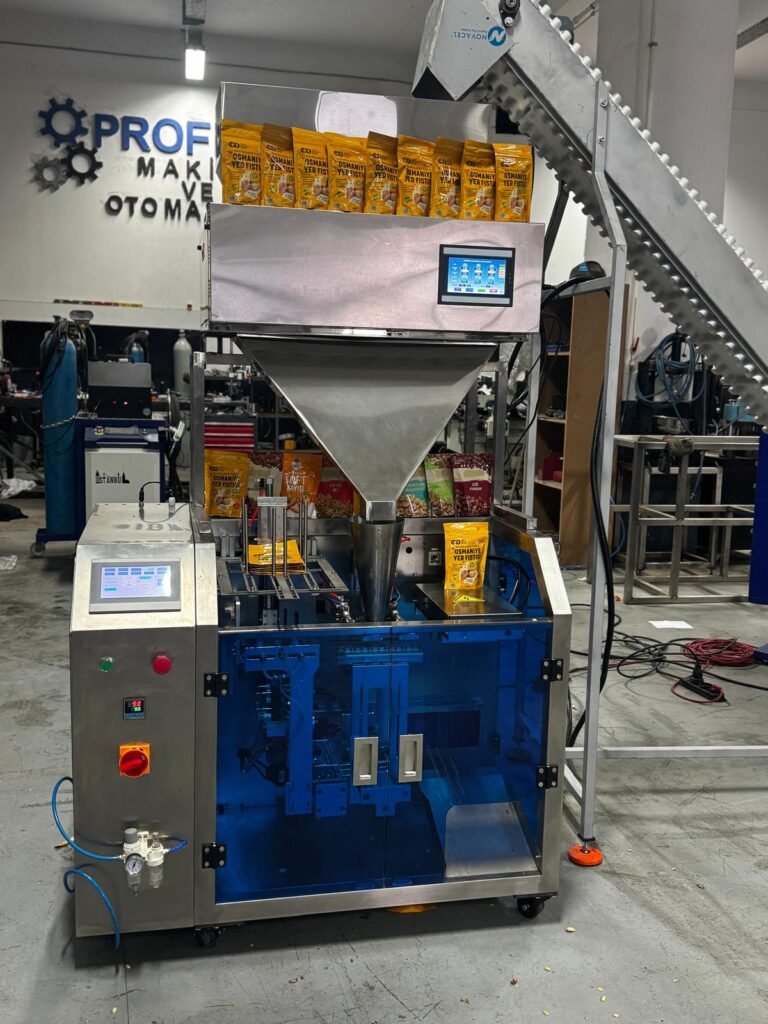
Companies like Profest Company for Machinery Manufacturing provide machinery designed specifically for nut processing facilities, helping businesses achieve high efficiency and consistent quality.
Key Stages of a Nut Milling Process
A complete nut processing line involves several integrated stages. Each step ensures that the final product meets quality standards and customer expectations.
Cleaning and Sorting
Before milling begins, nuts must be cleaned and sorted to remove debris, shells, or defective kernels.
While this stage may seem simple, it is essential for maintaining product purity and preventing damage to the milling equipment.
Roasting
Roasting enhances flavor and aroma. In some cases, nuts are roasted before grinding to improve the texture of the final product.
On the other hand, certain products—such as raw nut flour—require unroasted nuts.
Crushing or Grinding
This stage is where the nut mill performs its primary function.
The grinding process breaks down the nuts into:
- Coarse pieces
- Fine powder
- Creamy paste
Based on that, manufacturers can produce different nut-based products for various industries.
Refining and Texture Control
After grinding, some products require further refining to achieve a smoother texture.
For example, chocolate manufacturers often demand ultra-fine hazelnut paste for their recipes.
Packaging and Storage
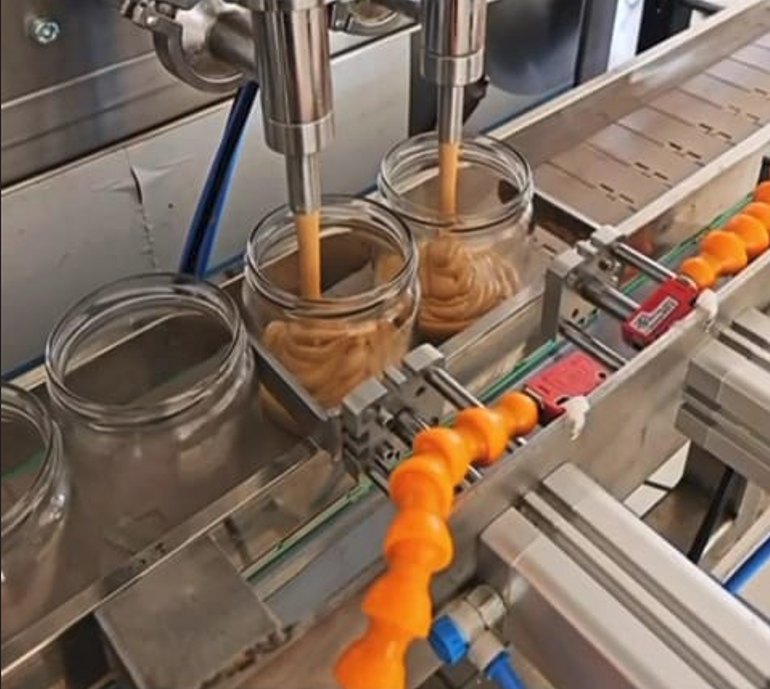
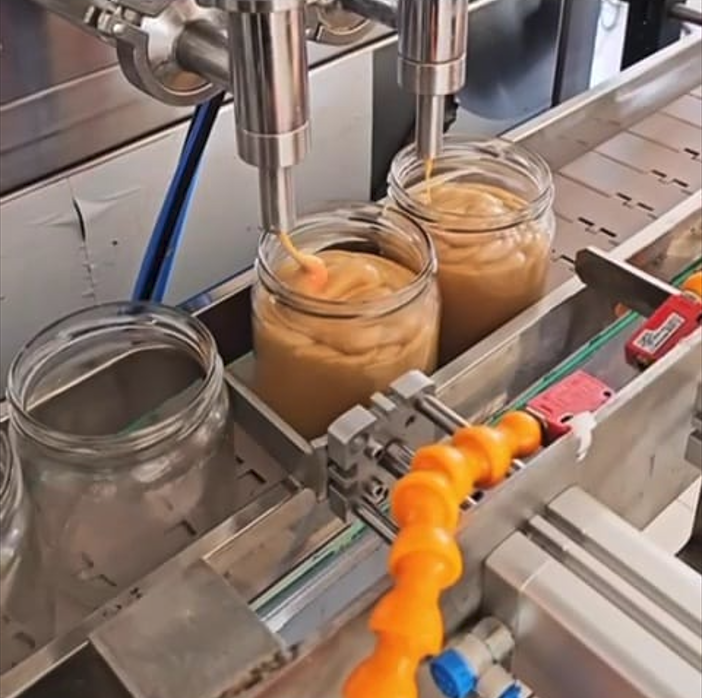
The final step involves packaging the processed product in hygienic containers or transferring it to other production lines.
Thus, efficient packaging systems help preserve freshness and extend shelf life.
Why Modern Nut Mills Are Essential for Food Manufacturers
Food manufacturers rely heavily on high-quality nut ingredients. A reliable nut milling system ensures consistent results and efficient production.
Modern nut mills offer several advantages.
Improved Product Quality
Precise grinding technology ensures uniform particle size and texture.
Moreover, temperature control prevents overheating, which can damage flavor and nutritional value.
Higher Production Efficiency
Industrial nut mills can process large quantities of nuts quickly.
Wherever large-scale food production takes place, efficient milling systems are essential.
Cost Reduction
Automation reduces labor requirements and minimizes product waste.
In the end, businesses benefit from lower operating costs and higher productivity.
Greater Product Diversity
A single nut mill can produce multiple products, including:
- Nut flour
- Nut paste
- Nut butter
- Nut powder
Thus, manufacturers can expand their product lines and reach new markets.
The Contribution of Profest Company for Machinery Manufacturing
The growth of Turkey’s nut processing industry has been supported by specialized machinery manufacturers. One notable example is Profest Company for Machinery Manufacturing.
This company focuses on designing and producing advanced food processing machinery, including equipment for nut milling.
Their machines are engineered to meet modern industrial standards, combining durability, efficiency, and hygienic design.
Moreover, Profest offers customized solutions tailored to the specific needs of each production facility.
For example, a factory specializing in pistachio paste may require different grinding configurations compared to a plant producing almond flour.
By providing flexible machinery solutions, Profest helps food manufacturers optimize their production processes.
Businesses interested in learning more about their machinery and services can visit the official website:
The website provides detailed information about their products, technologies, and industrial solutions.
Nut Milling Technology and Innovation
The nut processing industry has experienced significant technological advancement in recent years.
While traditional milling methods relied heavily on manual operations, modern facilities now incorporate automated systems and digital controls.
Some of the latest innovations include:
Smart Control Systems
Advanced control panels allow operators to monitor temperature, grinding speed, and production rates.
Thus, operators can maintain precise control over the entire process.
Energy-Efficient Motors
Modern machines are designed to reduce energy consumption while maintaining high productivity.
Based on that, factories can lower operational costs and reduce environmental impact.
Modular Production Lines
Many nut processing facilities now use modular machinery systems.
Wherever production demand increases, additional modules can be added to expand capacity.
Hygienic Design Standards
Food safety is a top priority in the industry.
Likewise, machinery manufacturers design equipment with stainless steel components and easy-clean surfaces to comply with international food safety regulations.
Applications of Nut Milling Products
Nut-based ingredients produced through milling are used in numerous industries.
Confectionery Industry
Nut pastes and powders are essential ingredients in chocolate, pralines, and desserts.
For example, hazelnut paste is widely used in chocolate spreads and premium confectionery.
Bakery Industry
Nut flour and crushed nuts enhance the flavor and texture of baked goods such as cakes, cookies, and pastries.
Moreover, gluten-free products often rely on almond flour as a substitute for wheat flour.
Ice Cream and Dairy Products
Nut pastes are commonly used in flavored ice cream and dairy desserts.
Thus, nut milling plays a role in creating innovative flavors in the dairy sector.
Health and Fitness Products
Nut powders and nut butter are increasingly used in protein bars, smoothies, and healthy snacks.
Likewise, the growing popularity of plant-based diets has increased demand for nut-based ingredients.
Choosing the Right Nut Mill for Your Business
Selecting the appropriate nut milling equipment is crucial for achieving optimal results.
Several factors should be considered when choosing a nut mill.
Production Capacity
Manufacturers must determine how much product they plan to produce daily.
While small businesses may require compact machines, large factories need high-capacity industrial systems.
Type of Nut
Different nuts have different textures and oil content.
For example, pistachios and hazelnuts contain higher oil levels than almonds.
Thus, milling machines must be designed to handle these characteristics.
Desired Final Product
Whether the goal is flour, paste, or crushed nuts, the machine configuration should match the intended product.
Maintenance and Durability
Reliable machinery ensures long-term performance with minimal downtime.
On the other hand, poorly designed equipment can lead to frequent repairs and production delays.
Working with experienced machinery manufacturers such as Profest Company for Machinery Manufacturing helps businesses choose equipment that meets their operational needs.
The Future of Nut Milling in Turkey
Turkey’s nut processing industry continues to expand as global demand for nut-based products increases.
Moreover, technological innovation is expected to further improve efficiency, sustainability, and product quality.
Several trends are shaping the future of nut milling:
- Increased automation
- Higher food safety standards
- Growing demand for plant-based foods
- Expansion of export markets
Wherever food innovation takes place, nut-based ingredients will remain an essential component of modern cuisine.
Thus, the demand for advanced nut milling equipment will continue to grow.
Frequently Asked Questions (FAQs)
- What is a nut mill used for?
A nut mill is used to grind, crush, or refine nuts into products such as nut flour, nut paste, nut butter, or powder. These products are widely used in the food industry, including confectionery, bakery, and dairy production.
- Which nuts are commonly milled in Turkey?
The most commonly milled nuts in Turkey include hazelnuts, pistachios, almonds, and walnuts. Each type of nut requires slightly different processing techniques.
- Why is nut milling important in the food industry?
Nut milling transforms raw nuts into valuable ingredients used in many food products. It allows manufacturers to produce items such as chocolate fillings, bakery ingredients, and health snacks.
- What factors should be considered when buying a nut mill?
Important factors include production capacity, type of nut being processed, desired final product, energy efficiency, and machine durability.
- How does modern technology improve nut milling?
Modern technology introduces automation, temperature control, energy-efficient motors, and precise grinding systems. These improvements enhance productivity and product quality.
- What role does Profest Company for Machinery Manufacturing play in the industry?
Profest Company for Machinery Manufacturing designs and produces advanced food processing equipment, including nut milling machinery. Their solutions help factories achieve efficient, high-quality nut processing operations.
- Where can I learn more about nut processing machinery?
You can explore more information about industrial food processing equipment and nut milling systems by visiting the official website: