

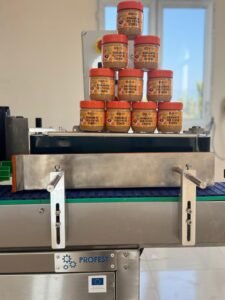

The Rise of Nut Butter Production in Turkey
Understanding the Demand for Quality and Efficiency
Nut butter has rapidly shifted from a niche product to an everyday staple across global markets. In Turkey, producers large and small are seeking reliable equipment to meet growing consumer demand. Whether it’s high‑end organic pistachio butter or traditional sesame tahini, manufacturers are looking for efficiency and consistent quality.
While consumers expect smooth textures and rich flavors, producers wrestle with the technical challenges of transforming raw nuts into premium butters on an industrial scale. That’s where advanced processing equipment enters the picture — and more brands are investing in automated nut butter machines.
Turkey’s strategic position between Europe, Asia, and the Middle East puts it at a crossroads of markets that crave both artisanal and large‑scale outputs. The result? A surge in interest for reliable machinery that supports productivity, consistency, and cost‑effectiveness.
Why Nut Butter Machines Are Essential for Modern Production
Nut butter isn’t just about crushing nuts — it’s about precision. Uniform roasting, consistent temperature control, proper grinding, and hygienic operation all contribute to the final product’s taste and quality. Small‐scale manual methods work for artisan kitchens, but industrial producers need machinery capable of handling:
- High throughputs
- Energy efficiency
- Minimal waste
- Automated cleaning features
Moreover, production standards in Turkey’s food industry are increasingly aligning with international export requirements. Machines must match stringent hygiene codes and certify product safety. In this context, manufacturers investing in modern nut butter production lines stand to benefit from broader export opportunities.
Key Components of a Nut Butter Making Machine
Nut butter making machines are not singular devices but integrated systems that streamline several stages of production. A complete line usually includes:
- Nut Roasting Units – To bring out oils and deepen flavor.
- Dehulling and Sorting Equipment – Especially important for nuts like almonds, hazelnuts, and peanuts.
- Grinding Mills / Refiners – Where the core transformation into butter happens.
- Mixing and Homogenization Systems – To stabilize texture and add optional ingredients.
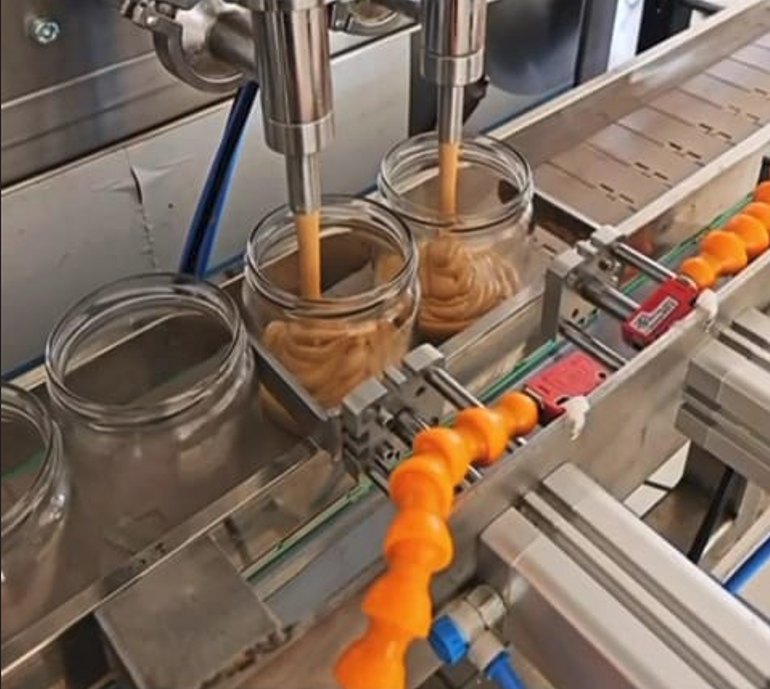
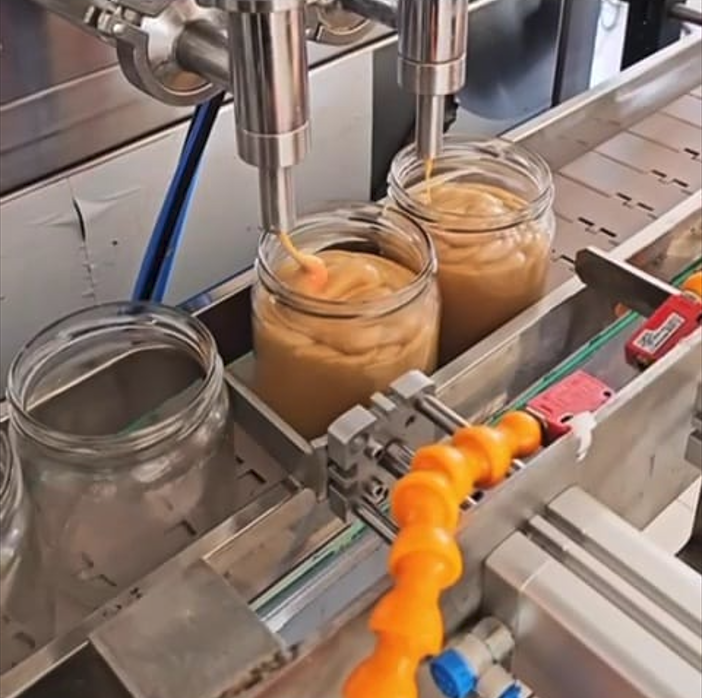
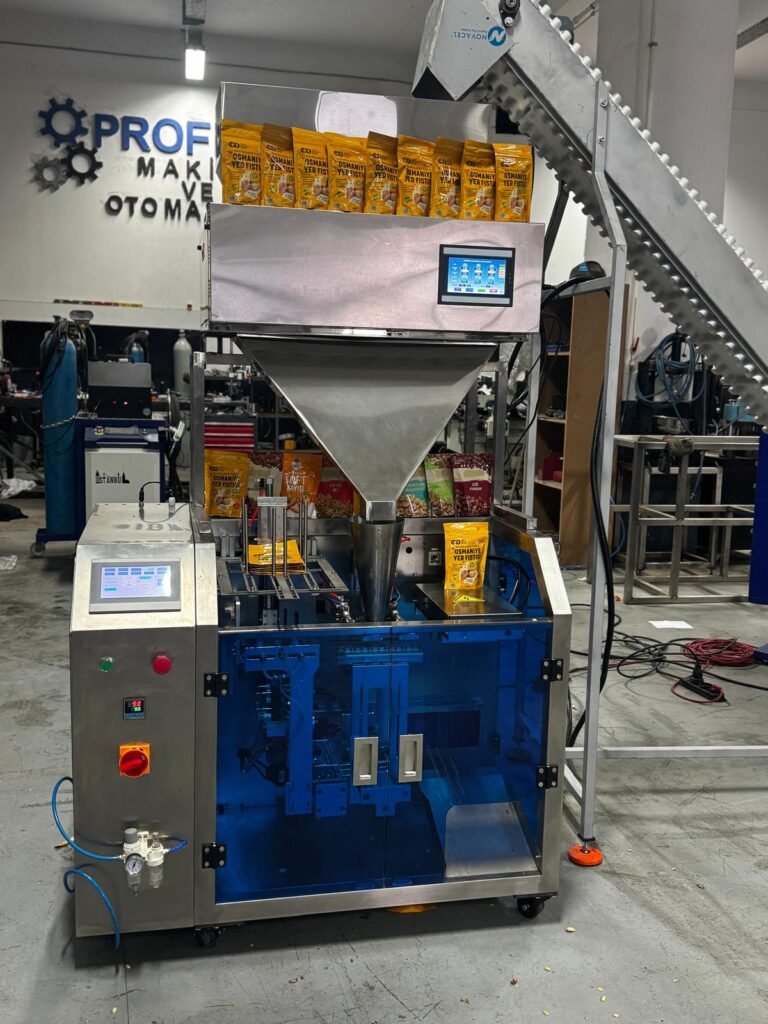
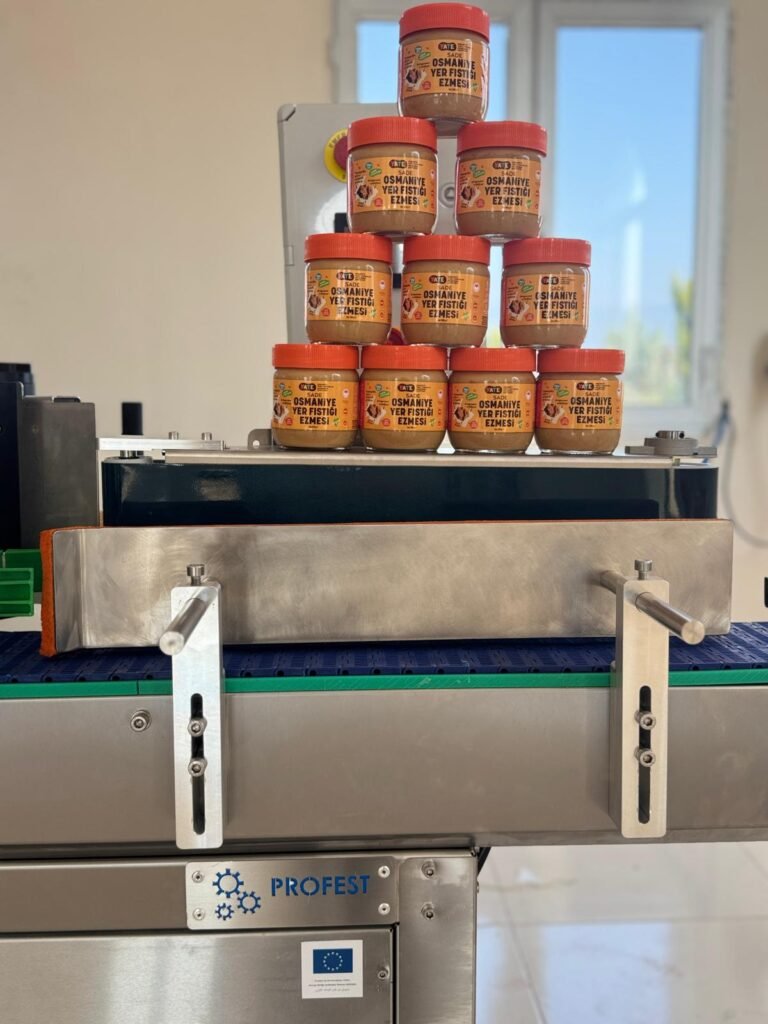
- Filling and Packaging Units – For labeling, sealing, and readying products for market.
While traditional grinding methods rely on stone mills or small grinders, industrial nut butter machines operate on precise engineering that balances speed and temperature. Excessive heat during grinding can degrade flavor and nutrition, whereas controlled processing preserves quality and increases shelf life.
Profest’s Role in Turkey’s Nut Butter Machinery Market
Established with a forward‑looking approach to food processing technology, Profest Company for Machinery Manufacturing has become a trusted name in Turkey and beyond. Based on decades of industry insights, Profest combines practical design with modern automation.
Profest machines stand out in several ways:
- Customized configurations tailored to the nut type (e.g., peanuts, almonds, cashews, pistachios, sesame seeds)
- Energy‑efficient motors that reduce operating costs
- Robust stainless‑steel construction for hygienic operations
- Easy maintenance and optimized cleaning cycles
On the other hand, some manufacturers focus solely on low‑cost equipment with limited versatility. But Profest’s philosophy emphasizes flexible design that adapts to evolving market demands — whether a producer needs tahini plants, almond butter lines, or specialty nut pastes.
For example, a mid‑sized producer in İzmir can scale up operations by integrating a Profest nut butter refining system that ensures consistent texture across batches — from 100kg per hour to over a ton daily.
How Nut Butter Machines Elevate Product Quality
Texture and taste define consumer satisfaction in nut butters. The number of grinding passes, the fineness of mills, and the control of heat during processing all determine the final product.
Likewise, product purity matters. Modern machines prevent contamination by using food‑grade materials and sealed systems that minimize exposure to the environment. The result is cleaner, smoother butters with higher oil content retention.
Moreover, integrated automation eliminates human error and improves repeatability. Producers can program specific grinding profiles for different nuts — a benefit especially useful when working with mixed nut butters or premium nut spreads.
Choosing the Right Machine: What to Consider
Selecting the ideal nut butter machine requires an understanding of several production variables:
- Nut Type and Oil Content
Different nuts — such as peanuts (higher oil content) and almonds (lower oil content) — behave differently during grinding. A machine optimized for one may underperform with another. - Capacity Requirements
Whether the operation is small, medium, or industrial‑scale, capacity planning ensures the investment matches production goals. - Customization and Flexibility
Producers often need adjustable parameters for roast levels, grind fineness, and speed. Machines with programmable logic controllers (PLCs) offer these abilities. - Maintenance and Service Support
Reliable technical assistance and easy access to spare parts reduce downtime and maintenance costs.
Also important is understanding future growth. A business might start with a modest capacity but scale up. Choosing machines that can integrate additional modules or expand throughput prevents early equipment obsolescence.
Prospective buyers interested in exploring solutions can visit the Profest website at https://profest.com.tr/ar to evaluate product options, technical specifications, and support services.
The Market Impact of Nut Butter Technology in Turkey
Turkey remains one of the largest producers of nuts like hazelnuts and pistachios in the world. As global trends shift toward healthier snacking and plant‑based proteins, nut butters have gained attention in breakfast aisles, sports nutrition, baby foods, and gourmet markets.
Thus, producers who leverage advanced nut butter technology are positioned to tap into both local consumption and export markets. The European Union, Middle East, and North America all show rising demand for premium spreads and natural nut butters.
Producers equipped with modern machines also benefit from improved food safety compliance, lower waste, and better product traceability.
Wherever markets expand, quality and consistency remain differentiators — and that’s where professional equipment proves its value.
Innovations and Future Trends in Nut Butter Machinery
Innovation in nut butter machinery continues to evolve. New trends include:
- Smart Sensors for Precision Monitoring – Equipment that adjusts temperatures and grinding speed in real‑time.
- Modular Lines for Flexible Production – Allowing manufacturers to pivot between various nut types quickly.
- Energy‑Saving Technologies – Reducing environmental impact while increasing profitability.
Nut butter machines equipped with IoT (Internet of Things) capabilities enable producers to monitor performance remotely and schedule predictive maintenance.
In the end, automation and intelligent design are redefining how nut butters are made — making it easier for both startups and seasoned manufacturers to compete globally.
Why Producers Should Prioritize Partnering with Trusted Manufacturers
Choosing a reliable machinery partner affects long‑term success. A competent manufacturer goes beyond selling equipment — they provide:
- Technical consultation
- Installation support
- After‑sales service
- Training and documentation
Profest Company for Machinery Manufacturing emphasizes full‑cycle support. From initial consultation to commissioning and post‑installation maintenance, Profest ensures customers receive comprehensive assistance — a critical factor in smooth production rollouts.
Based on that, companies transitioning from manual processing to automated nut butter lines should seek partners with proven track records and strong technical expertise.
Sustainability and Nut Butter Production
Sustainable production is no longer optional — it’s a market requirement. Modern machines minimize waste by optimizing nut processing and reducing energy consumption.
For example, some systems recapture heat generated during roasting to pre‑heat incoming batches — lowering overall energy usage.
Likewise, efficient oil extraction minimizes residues and supports cleaner production flows. Sustainable machines improve profitability and align with environmental regulations and consumer expectations.
The Competitive Advantage of Investing in Modern Machinery
Investing in high‑quality machinery yields measurable benefits:
- Faster processing times
- Reduced labor costs
- Better product uniformity
- Lower waste rates
- Enhanced export potential
On the other hand, outdated equipment or manual processes can limit growth and undermine quality — leading to inconsistent products and higher production costs.
Producers who adopt modern nut butter production systems gain competitive advantages locally and internationally.
Frequently Asked Questions (FAQs)
Q1 — What is a nut butter making machine?
A nut butter making machine is an industrial system designed to transform raw nuts into smooth, spreadable butter. It includes cleaning, roasting, grinding, and packaging modules to meet high‑volume production requirements.
Q2 — What types of nut butters can be produced with such machines?
These machines can produce peanut butter, almond butter, cashew butter, pistachio paste, tahini (sesame butter), and mixed nut spreads — depending on configuration.
Q3 — How do I choose the right machine capacity?
Capacity depends on your daily production goals. Small enterprises may need units under 200kg/hour, while larger operations choose 500kg/hour or more. Consulting with manufacturers like Profest ensures the equipment aligns with your needs.
Q4 — Are these machines energy efficient?
Yes. Modern nut butter machines are designed to balance power usage and performance. Many integrate features that recover and reuse energy during processing.
Q5 — Can I process different nuts in one machine?
Many systems are versatile and allow adjustments for multiple nut types. However, certain nuts may require specific pre‑processing steps like dehulling or roasting adjustments.
Q6 — What maintenance is required?
Routine cleaning, lubrication of moving parts, inspection of electrical components, and periodic calibration of grinding units help maintain optimal performance.
Q7 — Where can I find more information or request a quote?
Visit the Profest Company for Machinery Manufacturing website at https://profest.com.tr/ar to explore products, technical details, and support services.