

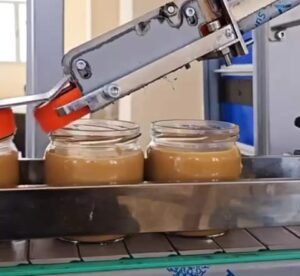

Revolutionizing Nut Processing: The Rise of Peanut Butter Machines in Turkey
The world of food processing is constantly evolving, especially in Turkey, where the demand for high‑quality and efficient machinery is growing rapidly. Among the most sought‑after innovations is the peanut butter machine — a device that has transformed how manufacturers, small businesses, and even artisanal producers process nuts. While peanut butter has long been a popular staple food item, the science and technology behind its production are only now starting to gain mainstream attention. In this article, we explore this essential piece of equipment, its impact on Turkish industries, and why Profest Company for Machinery Manufacturing is emerging as a leader in this space.
The Growing Popularity of Peanut Butter in Turkey
Peanut butter is no longer just a Western household favorite; it has gained immense popularity in Turkey’s culinary and health sectors. Consumers are more health conscious today than ever before, and the protein‑rich benefits of peanut butter appeal to a wide audience. Thus, the need for reliable and high‑performance peanut butter machines has increased significantly.
Based on that rising demand, manufacturers across Turkey are investing in advanced technology to meet production needs. It isn’t just commercial factories that benefit — small farms, startup food companies, and even home producers now have access to machines that were once too expensive or complicated. While traditional methods may still exist, modern technology ensures consistency, hygiene, and efficiency.
Understanding the Technology Behind Peanut Butter Machines
A peanut butter machine is not simply a grinder. It is a highly engineered piece of machinery designed to convert roasted peanuts into smooth, creamy butter with precision. The process involves several stages: crushing, grinding, refining, and sometimes even homogenization. Each stage requires specialized components to handle the nuts without overheating, degrading flavor, or losing nutritional value.
For example, control systems integrated into high‑end machines allow operators to adjust grinding speed, heat levels, and texture output. This flexibility ensures that producers can create various consistencies — from crunchy to extra smooth — based on market preferences.
Likewise, enhancements in material science have led to machines made of stainless steel and food‑grade components to ensure safety and durability. Such improvements position peanut butter machines as a cornerstone of modern food processing technology.
Profest Company for Machinery Manufacturing: A Pioneer in Innovation
When discussing peanut butter machines in Turkey, no conversation is complete without mentioning Profest Company for Machinery Manufacturing. From the beginning, Profest has focused on combining state‑of‑the‑art engineering with practical operational demands, resulting in machinery that meets international quality standards.
Profest’s peanut butter machines are engineered for versatility. Whether a large‑scale food factory or a boutique specialty producer, these units deliver consistency and reliability. Moreover, the company’s commitment to research and development ensures that every machine uses cutting‑edge technology for enhanced performance and longevity.
Customers appreciate that Profest’s solutions are not one‑size‑fits‑all. The company collaborates with buyers to tailor machines to specific production capacities, nut varieties, and texture requirements. Based on that approach, Profest has positioned itself as a partner in its customers’ success stories, not just a supplier of equipment.
Core Features That Set Profest’s Machines Apart
Peanut butter machines from Profest offer several competitive advantages:
Precision Engineering for Consistency
Profest machines are designed to produce uniform peanut butter, every time. Whether the goal is a thick spread or a smooth liquid texture, these machines allow precise control of all processing parameters.
Robust Build Quality
Built with high‑grade materials that comply with food safety standards, these machines are rugged and durable. They can withstand continuous operation without compromising output quality.
Energy Efficiency and Low Maintenance
While performance is paramount, Profest also focuses on energy savings. Their machines run efficiently, helping producers lower utility costs and decrease long‑term operating expenses. On the other hand, many traditional machines may consume more energy and require frequent repairs.
User‑Friendly Controls
Operators do not need advanced technical training to use Profest’s peanut butter machines. The user interface is intuitive, and troubleshooting is straightforward, thus reducing downtime and increasing productivity.
Customization Options
Depending on the client’s needs, these machines can be customized. For example, some food producers may want additional safety features or specific capacity levels — and Profest delivers tailored solutions.
How the Peanut Butter Machine Works: A Step‑by‑Step Flow
Understanding how the peanut butter machine operates can help businesses optimize production processes. Below is a general overview of how these machines function:
- Peanut Pre‑Processing: Raw peanuts are cleaned and roasted. The roasting level can influence the final flavor profile.
- Crushing Stage: Roasted peanuts are crushed to break down the nut structure.
- Grinding Stage: The crushed peanuts are milled to generate a thick, paste‑like consistency. Here, adjustable rollers or blades regulate texture.
- Refining Phase: The machine filters out large particles to ensure smoothness.
- Temperature Control: Throughout the process, heat can build up, potentially damaging the flavor or nutrients. High‑end machines like those from Profest use cooling systems to maintain optimal temperatures.
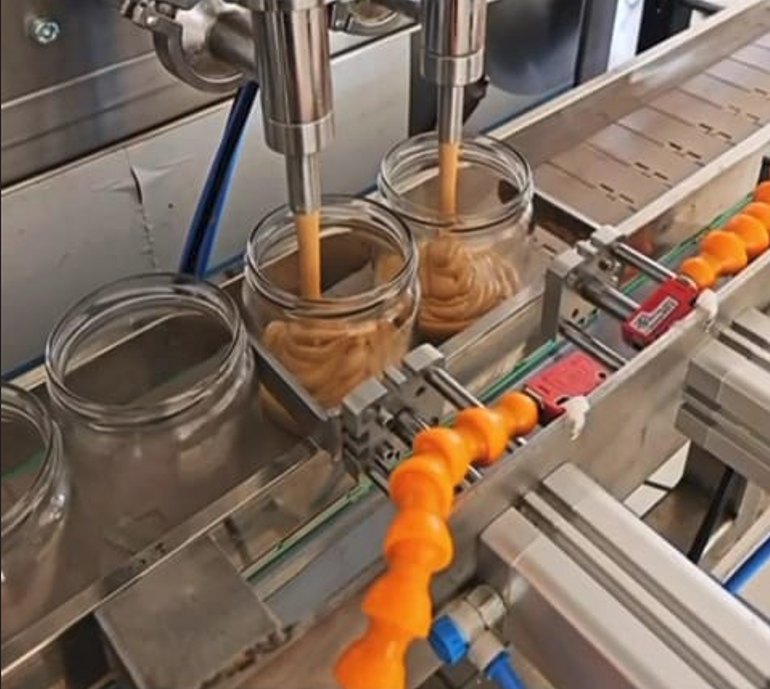
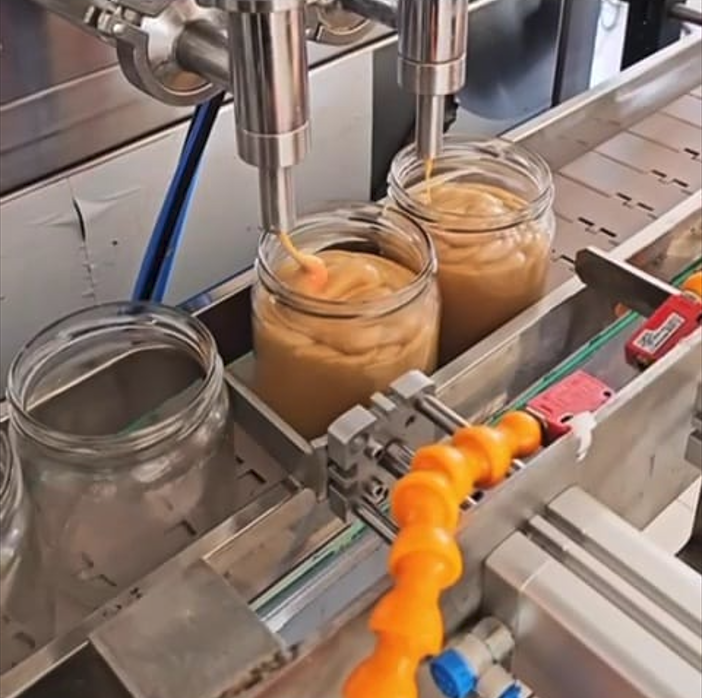
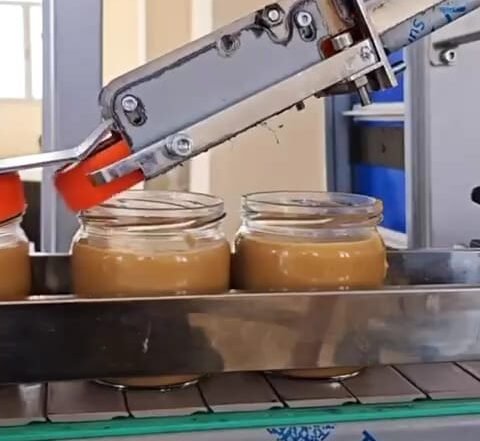
- Final Output: The finished peanut butter is collected in a hygienic container, ready for packaging.
Wherever these machines are deployed — from industrial facilities to smaller production lines — the outcomes are remarkably consistent and high quality.
Applications Beyond Peanut Butter
While peanut butter is the primary product, these machines often serve multiple purposes. They can process a variety of nuts such as almonds, cashews, and hazelnuts. This versatility expands their utility for producers targeting diverse markets.
For example, a producer might switch between making peanut butter one day and almond butter the next, without changing major components. Thus, the machine serves not only peanut processors but also broadens overall business opportunities.
The Economic Impact of Peanut Butter Machines in Turkish Food Production
Turkey’s food industry contributes significantly to the national economy, and advanced machinery plays a key role in this contribution. Peanut butter machines make it possible to increase output, enhance product quality, and meet international food safety standards — all of which are critical for export growth.
Moreover, smaller businesses benefit from these machines by entering markets that once required prohibitive investments. Local brands can now compete on both flavor and price, thereby diversifying the Turkish food market and catering to global demand.
Based on that economic boost, employment opportunities also increase. Skilled technicians are needed to operate, maintain, and service these machines. Meanwhile, production expansion can create more jobs in packaging, quality control, logistics, and sales.
Choosing the Right Peanut Butter Machine: What to Consider
Selecting the ideal machine is essential for maximizing efficiency and profitability. Prospective buyers should evaluate the following criteria:
Capacity
Different machines handle different volumes. Producers must analyze expected output and choose a machine that aligns with their production goals.
Energy Consumption
Energy costs can affect profitability. Efficiency ratings help predict long‑term operating costs.
Durability
High‑quality machines may require higher upfront investment but will save on repairs and downtime.
After‑Sales Support
A reliable manufacturer with excellent customer service ensures that any issues are resolved swiftly.
Profest Company for Machinery Manufacturing excels in all these areas, providing reliable machines backed by strong customer support services.
Environmental and Hygiene Considerations in Modern Machinery
Food safety regulations around the world are stringent, and machinery must comply with these standards. Modern peanut butter machines take hygiene seriously. Their components are designed for easy cleaning and sanitization, thus minimizing contamination risks.
On the other hand, older equipment may lack features like detachable parts or sealed processing chambers. These deficiencies can lead to bacterial buildup and compromise product safety. Thus, investing in modern machines not only improves output but also secures consumer health.
Future Trends: Smart Peanut Butter Machines
As industries continue advancing, smart machinery will likely become the norm. Integration with IoT (Internet of Things), automated maintenance alerts, and real‑time productivity analytics are shaping the future of food processing.
For example, a smart peanut butter machine could notify technicians when a component needs servicing or when production levels drop below optimal performance. Likewise, cloud‑based dashboards can track multiple machines across facilities, making large‑scale operations more streamlined and efficient.
Leading manufacturers such as Profest are already exploring these advancements, ensuring that Turkish producers stay competitive on the global stage.
From Artisan Producers to Commercial Giants
One of the most exciting developments in the peanut butter machine market is its accessibility across business sizes. Small‑scale and artisanal producers who once manually processed peanuts can now adopt machinery that elevates their products.
Moreover, commercial giants benefit from scaled‑up models that can handle thousands of kilograms per hour. No matter the scale, the machine adapts to production requirements and helps brands carve out their place in both local and international markets.
Final Thoughts: Why Peanut Butter Machines Matter
Peanut butter machines are more than just tools — they are catalysts for innovation, efficiency, and economic growth in Turkey’s food production industry. They empower producers, ensure product consistency, and support businesses of all sizes.
Also, with companies like Profest Company for Machinery Manufacturing providing reliable, high‑quality solutions, Turkish food manufacturers are well‑positioned to meet rising demands both domestically and abroad. Visit https://profest.com.tr/ar to explore Profest’s range of machinery and discover solutions tailored to your production needs.
In the end, technology and tradition can work together, delivering products that delight consumers while driving industrial success.
Frequently Asked Questions (FAQs)
Q1: What is a peanut butter machine used for?
A peanut butter machine processes roasted peanuts into smooth or crunchy peanut butter. It crushes, grinds, and refines nuts to form a spreadable paste suitable for packaging and consumption.
Q2: Can the machine process other nuts besides peanuts?
Yes. Many machines, especially those with advanced grinding and adjustable settings, can process almonds, cashews, hazelnuts, and other nuts to create various nut butters.
Q3: What should I look for when purchasing a peanut butter machine?
Key factors include production capacity, energy efficiency, build quality, ease of maintenance, and after‑sales support. It’s also important to choose a reputable manufacturer.
Q4: Is a peanut butter machine suitable for small businesses?
Absolutely. Modern machines come in various sizes and capacities, making them suitable for both small‑scale producers and large industrial manufacturers.
Q5: How do I maintain a peanut butter machine?
Regular cleaning, lubrication of moving parts, timely replacement of worn components, and following the manufacturer’s service schedule are essential for optimal performance.