

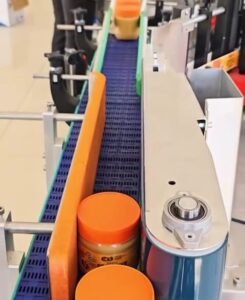

Revolutionizing Nut Butter Production in Turkey: A Deep Dive into Nut Butter Machines
The demand for high‑quality nut butter—such as peanut butter, almond butter, and tahini—is rising in Turkey and across the world. As consumers increasingly seek healthier, additive‑free alternatives, entrepreneurs and large‑scale manufacturers are looking for efficient, reliable, and technologically advanced machinery to meet this demand. At the center of this growing industry stands Profest Company for Machinery Manufacturing, a leading Turkish manufacturer of nut butter machines and food processing equipment.
In this article, we explore every aspect of nut butter machines in Turkey: how they work, why they’re essential for modern food production, and how businesses can benefit from investing in the right technology. We will also highlight how innovations from Profest Company for Machinery Manufacturing are shaping the industry. Whether you’re a small business owner launching a nut butter brand or an established manufacturer looking to upgrade your production line, this guide offers valuable insights to help you make informed decisions.
What Is a Nut Butter Machine?
Nut butter machines are specialized food processing units designed to grind roasted nuts into a smooth, creamy paste. These machines can be used to produce a wide range of spreads, including peanut butter, almond butter, cashew butter, and sesame‑based tahini.
While human labor was once sufficient for small batches, modern consumer demand necessitates machines that can handle large volumes with consistent quality. The right equipment ensures smooth texture, efficient processing time, and minimal product loss.
Nut butter machines differ from traditional grinders because they are engineered to handle oil‑rich nuts without overheating or compromising texture. Thus, choosing the appropriate machine for specific nut types and production volumes is critical for quality results.
The Growth of Nut Butter Consumption in Turkey
Turkey has traditionally been a market with diverse food preferences, and nut‑based products have always held cultural significance. For example, tahini and cottonseed paste have been staple condiments in Turkish cuisine for generations.
However, in recent years, global trends emphasizing plant‑based diets and healthier alternatives have driven a significant increase in demand for nut butters. Moreover, Turkish consumers are becoming more health‑conscious, seeking products with natural ingredients and no added sugars or preservatives.
Based on that, many local producers are entering the market with innovative nut butter products. Whether selling at farmers’ markets or supplying to large retail chains, businesses must adopt efficient production methods to remain competitive. Nut butter machines have thus become more than just luxury equipment—they are essential tools for growth.
Advantages of Using a Nut Butter Machine
Investing in a nut butter machine offers several advantages over manual production methods:
Efficient and Consistent Production
Manual grinding yields inconsistent results, particularly when scaling up production. On the other hand, a mechanized nut butter machine delivers uniform texture and consistency across every batch. This consistency is crucial when supplying retailers or meeting export standards.
Time and Labor Savings
Producing nut butter manually is labor‑intensive and time‑consuming. A machine significantly reduces processing time and requires minimal supervision. Thus, businesses can increase production capacity without proportionally increasing labor costs.
Versatility for Different Nut Types
Modern nut butter machines are designed to handle a variety of nuts. Peanut, almond, hazelnut, and sesame seeds can all be processed in the same machine with minor adjustments. Likewise, this flexibility enables businesses to diversify their product offerings without investing in multiple devices.
Enhanced Hygiene and Safety
Food safety is a top priority for any food processing business. Nut butter machines are designed with hygiene standards in mind, ensuring easy cleaning and compliance with food safety regulations. This helps reduce contamination risks and build customer trust.
Key Components of a Nut Butter Machine
Understanding how a nut butter machine works can help businesses choose the right model for their needs:
Feed Hopper
The feed hopper is the entry point where roasted nuts are introduced into the machine. It determines how much product can be processed at once, which is crucial for meeting production targets.
Grinding Chamber and Blades
Inside the grinding chamber, rotating blades or grinders break down the nuts into a paste. The quality and configuration of these components directly impact the smoothness and texture of the final product.
Motor and Gear System
A powerful motor ensures smooth operation even with oil‑rich nuts. Based on the machine’s capacity, motors can vary in power. Larger industrial machines require higher horsepower to maintain efficiency.
Control Panel
Modern nut butter machines often come with digital control panels that allow operators to adjust speed, temperature, and grinding time. This level of control is essential for producing specialized nut butters with specific texture preferences.
Profest Company for Machinery Manufacturing: A Leader in Nut Butter Machines
When it comes to high‑quality nut butter production equipment in Turkey, Profest Company for Machinery Manufacturing is a name that stands out. With years of experience in designing and manufacturing food machinery, Profest has built a reputation for durable, efficient, and user‑friendly nut butter machines.
While many companies focus solely on manufacturing, Profest takes a more holistic approach. The company works closely with clients to understand their production needs, offering customized solutions that are tailored to each business’s goals and constraints.
Profest’s machines are known for:
- Reliable performance across a variety of nut types
- Easy cleaning and maintenance features
- Compliance with food safety standards
- Efficient energy use
- Durable construction for long‑term operation
Moreover, Profest provides comprehensive after‑sales support, including training, installation assistance, and ongoing technical services. This dedication to customer satisfaction has earned the company a strong reputation among Turkish manufacturers and exporters alike.
If you’re interested in learning more about Profest’s nut butter machines or exploring their full range of equipment, visit their website at https://profest.com.tr/ar and explore the solutions they offer.
How Nut Butter Machines Work: A Step‑by‑Step Guide
Understanding the operational process can help businesses optimize their use of nut butter machinery:
- Selection and Preparation of Nuts
The first step in making nut butter is choosing high‑quality nuts. Raw nuts may be roasted to enhance flavor and improve oil release during grinding.
- Feeding the Machine
Roasted nuts are fed into the machine via the hopper. Depending on the machine’s capacity, this may be done in batches or continuously.
- Grinding
The grinding chamber pulverizes the nuts. Multiple passes may be necessary for ultra‑smooth consistency. The machine’s speed and blade configuration determine how fine the nut butter will be.
- Heat Management
As nuts break down, heat is generated. Too much heat can affect flavor and oil separation. Advanced machines control temperature to maintain optimal conditions throughout grinding.
- Final Product Collection
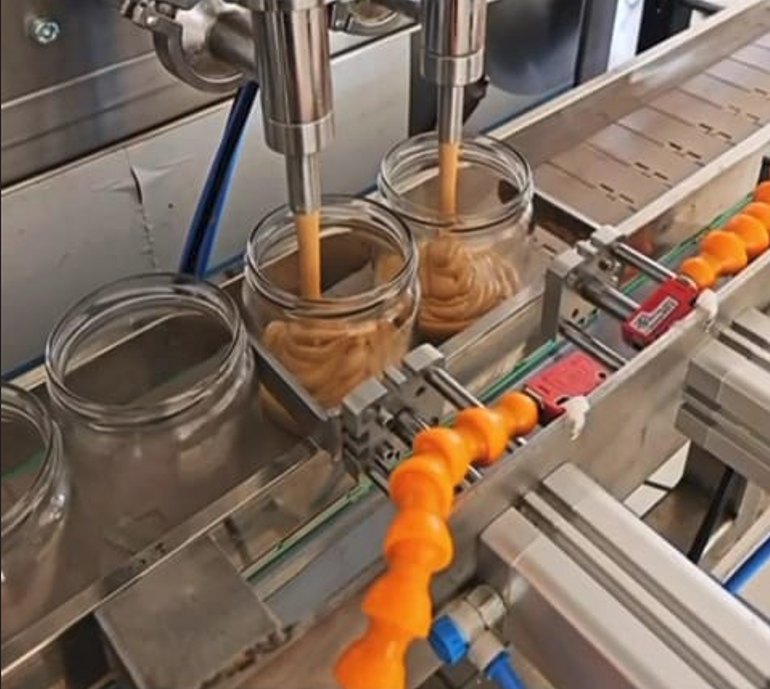
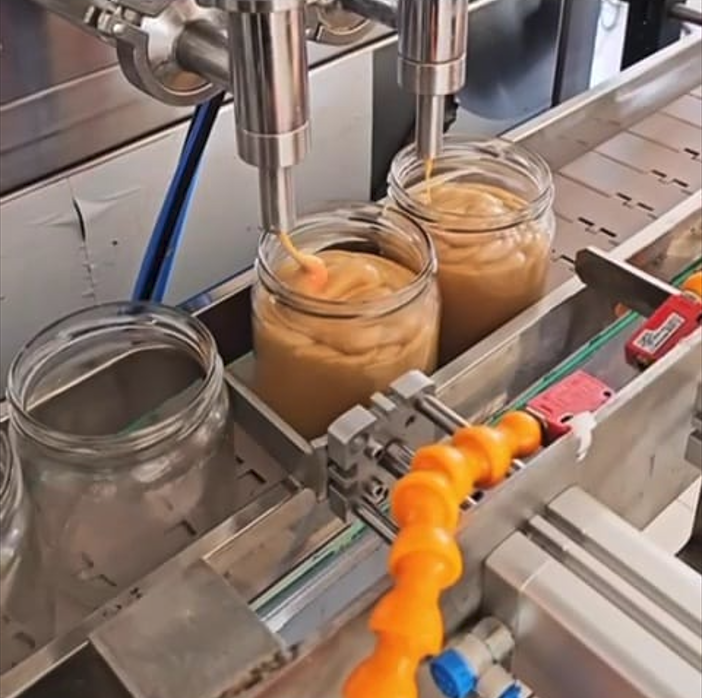
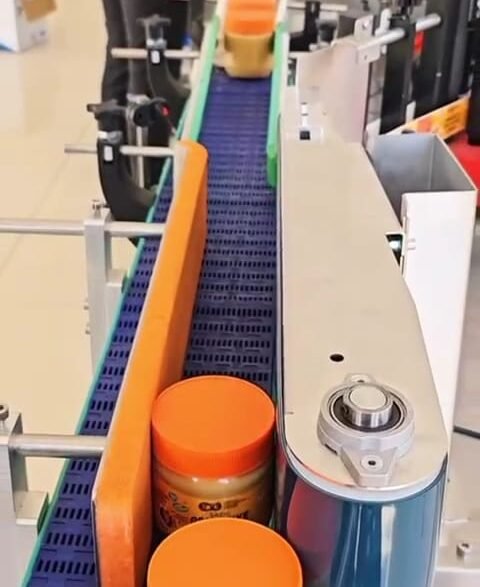
Once the desired texture is achieved, the nut butter is collected from the outlet. For larger operations, this may be automated into collection bins or conveyor systems.
- Quality Testing and Packaging
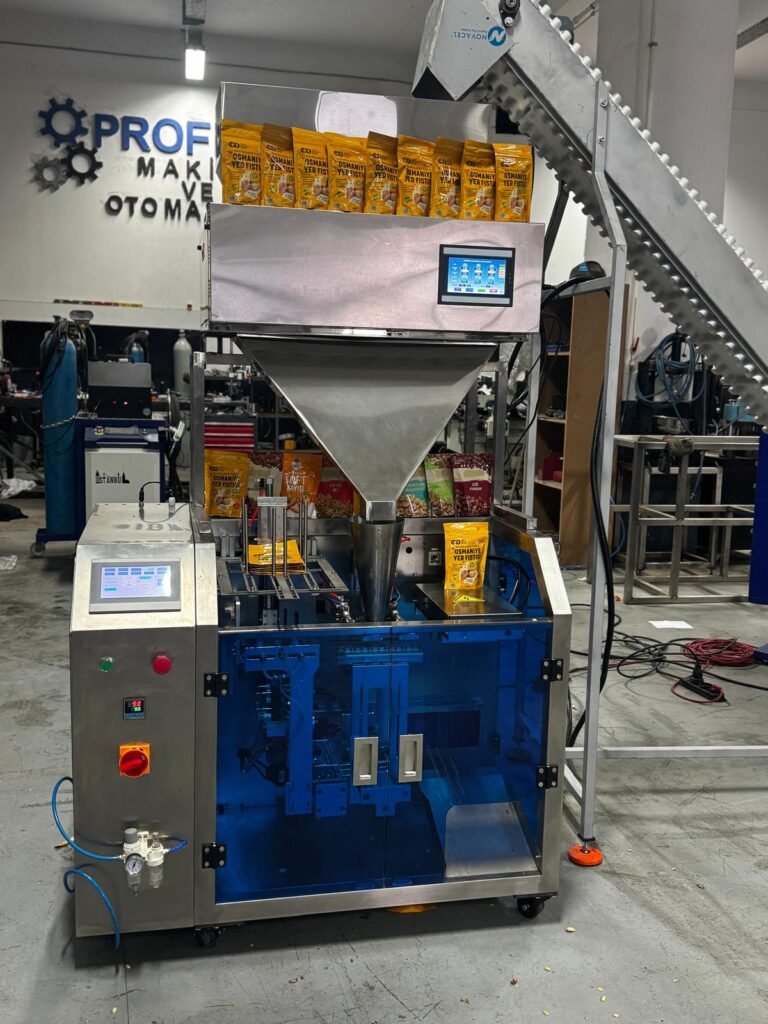
Finished nut butter is tested for texture, moisture content, and flavor. After passing quality control standards, it is ready for packaging and distribution.
Choosing the Right Nut Butter Machine for Your Business
Selecting the appropriate machine depends on several factors:
Production Volume
Small‑scale producers may require machines with smaller capacities, whereas industrial operations demand high‑output models. Consider future growth when choosing a machine to avoid under‑sized equipment.
Type of Nut Butter
Some nuts, like almonds, are harder and require more power for grinding than softer nuts like peanuts. Machines with adjustable settings provide greater flexibility for different products.
Budget Considerations
While advanced machines offer more features, they also come with higher price tags. On the other hand, entry‑level machines can be suitable for startups with lower production targets.
Space and Infrastructure
Nut butter machines come in various sizes. Make sure you have adequate space and electrical infrastructure to support the chosen model.
After‑Sales Support
A reliable supplier should offer training, maintenance, and spare parts availability. Profest Company for Machinery Manufacturing excels in this area, ensuring businesses can maintain optimal production uptime.
Innovation in Nut Butter Machines: Trends and Future Outlook
The nut butter machine industry has seen significant innovation in recent years. Automation, energy efficiency, and precision control are increasingly important as manufacturers strive to improve product quality and reduce operational costs.
For example, smart control systems now allow operators to monitor processing conditions in real time, making fine adjustments to speed and temperature as needed. Integrated safety features also help protect operators and prevent machine damage.
Moreover, businesses are exploring eco‑friendly options, such as machines with improved energy consumption profiles and designs that minimize waste. Based on industry forecasts, the global nut butter market is expected to continue growing, with Turkey playing a key role thanks to its strategic location and strong food manufacturing infrastructure.
Thus, investing in state‑of‑the‑art machinery is not just a short‑term solution for production, but a long‑term strategy for competitiveness.
Case Studies: Success Stories from Turkish Producers
Several Turkish companies have benefited from using advanced nut butter machines from manufacturers like Profest:
Artisan Peanut Butter Brand
A small startup in Anatolia began producing organic peanut butter for local markets. Initially, they used manual grinding methods that limited production and led to inconsistent texture. After investing in a professional nut butter machine, their output increased tenfold, and product quality improved significantly. Their products now supply cafes and specialty stores throughout the region.
Large‑Scale Tahini Manufacturer
A well‑established tahini producer in Istanbul upgraded its processing line with an industrial‑grade nut butter machine. This upgrade reduced production time, improved energy efficiency, and allowed the company to meet export demands. Moreover, automated temperature controls helped maintain flavor integrity, attracting buyers from across Europe.
These success stories demonstrate the transformative impact that the right equipment can have on production processes and business growth.
Maintaining Your Nut Butter Machine
Proper maintenance is essential for maximizing the lifespan and performance of any nut butter machine. Regular cleaning, inspection of moving parts, and timely replacement of worn components prevent breakdowns and ensure consistent quality.
Likewise, following manufacturer guidelines for lubrication and operating conditions helps protect the machine from unnecessary wear and tear. Profest provides detailed maintenance manuals and training to help operators keep machines running at peak performance.
Environmental and Sustainability Considerations
Sustainable production practices are increasingly important in today’s market. Nut butter machines with energy‑efficient designs reduce electricity consumption and lower operational costs. Additionally, manufacturers are developing systems that minimize waste during processing, reducing environmental impact.
For businesses seeking certification for eco‑friendly practices, investing in machines that support sustainability goals can be a strategic advantage.
Conclusion: The Future of Nut Butter Production in Turkey
The nut butter industry in Turkey is poised for continued expansion. Whether driven by local consumption trends, export potential, or healthier lifestyle choices, demand for high‑quality nut butters is rising. Nut butter machines are at the heart of this growth, enabling producers to scale operations, ensure consistent product quality, and compete in both domestic and international markets.
Profest Company for Machinery Manufacturing stands out as a trusted partner for businesses seeking reliable, advanced, and customizable nut butter machines. To explore their offerings and find a solution suited to your production needs, visit https://profest.com.tr/ar and discover how modern machinery can transform your nut butter business.
In the end, the right equipment doesn’t just boost output—it elevates product quality, streamlines operations, and positions your brand for sustainable success.
Frequently Asked Questions (FAQs)
- What is a nut butter machine?
A nut butter machine is a food processing device designed to grind roasted nuts into a smooth, creamy paste such as peanut butter, almond butter, or tahini. It ensures consistent texture and efficient production. - How does a nut butter machine differ from a regular grinder?
Nut butter machines are specifically engineered to handle oil‑rich nuts without overheating or excessive friction. They often feature temperature controls and specialized grinding mechanisms to produce smooth, high‑quality butter. - Can I use one machine for different types of nuts?
Yes, many modern nut butter machines are versatile and can process various nuts like peanuts, almonds, hazelnuts, and sesame seeds with minimal adjustments. - How do I choose the right machine for my business?
Consider factors such as production volume, types of nut butter you plan to produce, budget, space, and after‑sales support. A reliable supplier like Profest can help assess your needs and recommend a suitable model. - What maintenance does a nut butter machine require?
Regular cleaning, inspection of moving parts, proper lubrication, and timely replacement of worn components are essential. Follow manufacturer guidelines for optimal performance. - Is it possible to automate the entire nut butter production process?
Yes, with advanced machinery and conveyor systems, many production steps can be automated, increasing efficiency and reducing manual labor. - Where can I find high‑quality nut butter machines in Turkey?
Profest Company for Machinery Manufacturing offers a range of nut butter machines suitable for various production needs. Visit their website at https://profest.com.tr/ar for more information.